Drawn out from an auto-ethnographic practice-based project entitled: Kings Hill, Dominica: Framing Ideas of Home, Heritage and Belonging [working title].
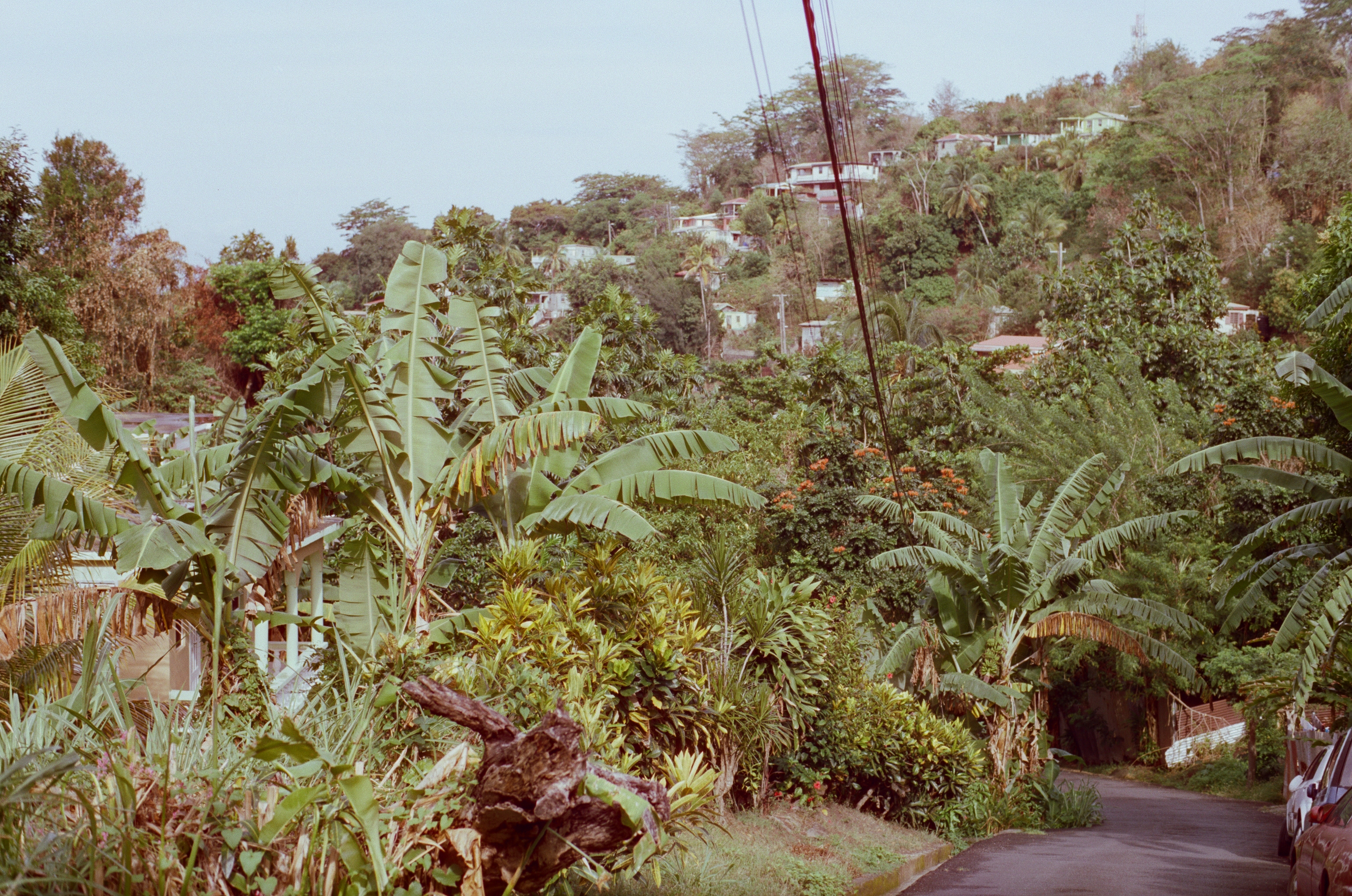
Black Geographies of Kings Hill Dominica is a practice-based geography and audio-visual arts research project, that combines artistic practices in photography, filmmaking and soundscape recording, with geographic research activities in visual ethnography, autoethnography, semi-structured interviewing and archival research. Visiting the island for the first time in my life in 2024, this combination or artistic practices and research has come about as a means of creating critical dialogues around notions of home, heritage and belonging. A key aim of combining artistic practices with research activities is to allow this body of work to raise awareness of Dominica’s Black Geographies amongst both public and academic audiences. Thus in attempt to raise people’s awareness and inform them of the beauty and serenity that makes Dominica the special place that is, this project’s multifaceted and developing body of artwork and research draws on yearly visits made to Kings Hill Dominica between 2024 – 2029. Kings Hill is also the locale that my family have called home since the late 1950s and it is where I stayed the first time I visited the island for one month in the spring of 2024.
This locale was named in honour of the monarch of the day King George III and part of this hill (Morne Bruce Viewpoint) was used as the location of a British military garrison. At the foot of Kings Hill resides a catholic cemetery, a savannah and Dominica’s National Botanic Gardens, from which you can walk into Roseau, Dominica’s capital city. Prior to being a locale occupied by the botanic gardens which are usually spaces associated with green imperialism and colonialised inceptions, the 44 acres of land that makes up the gardens were previously a part of the Bath and Rose Hill sugarcane estate and former plantation.
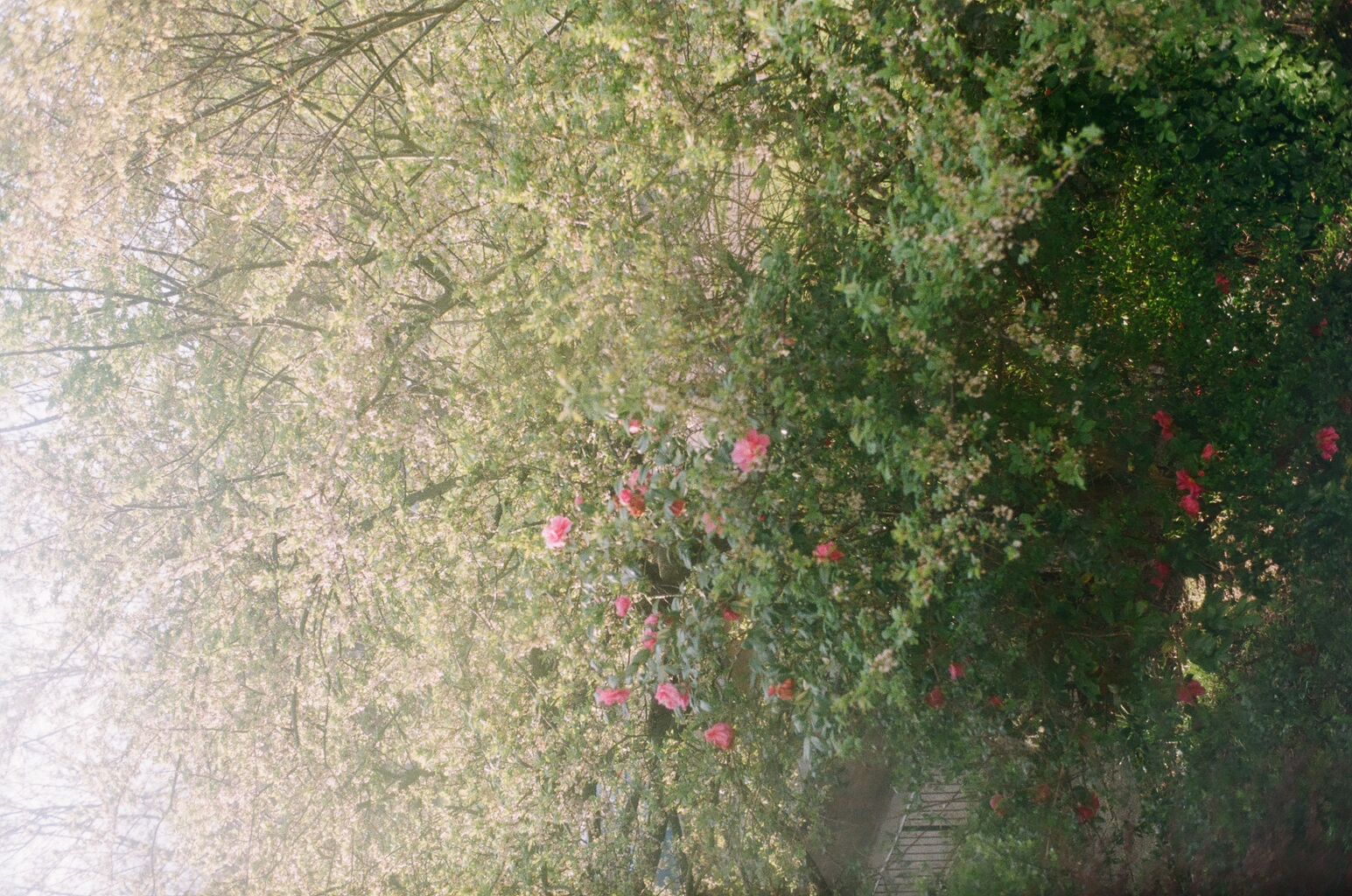
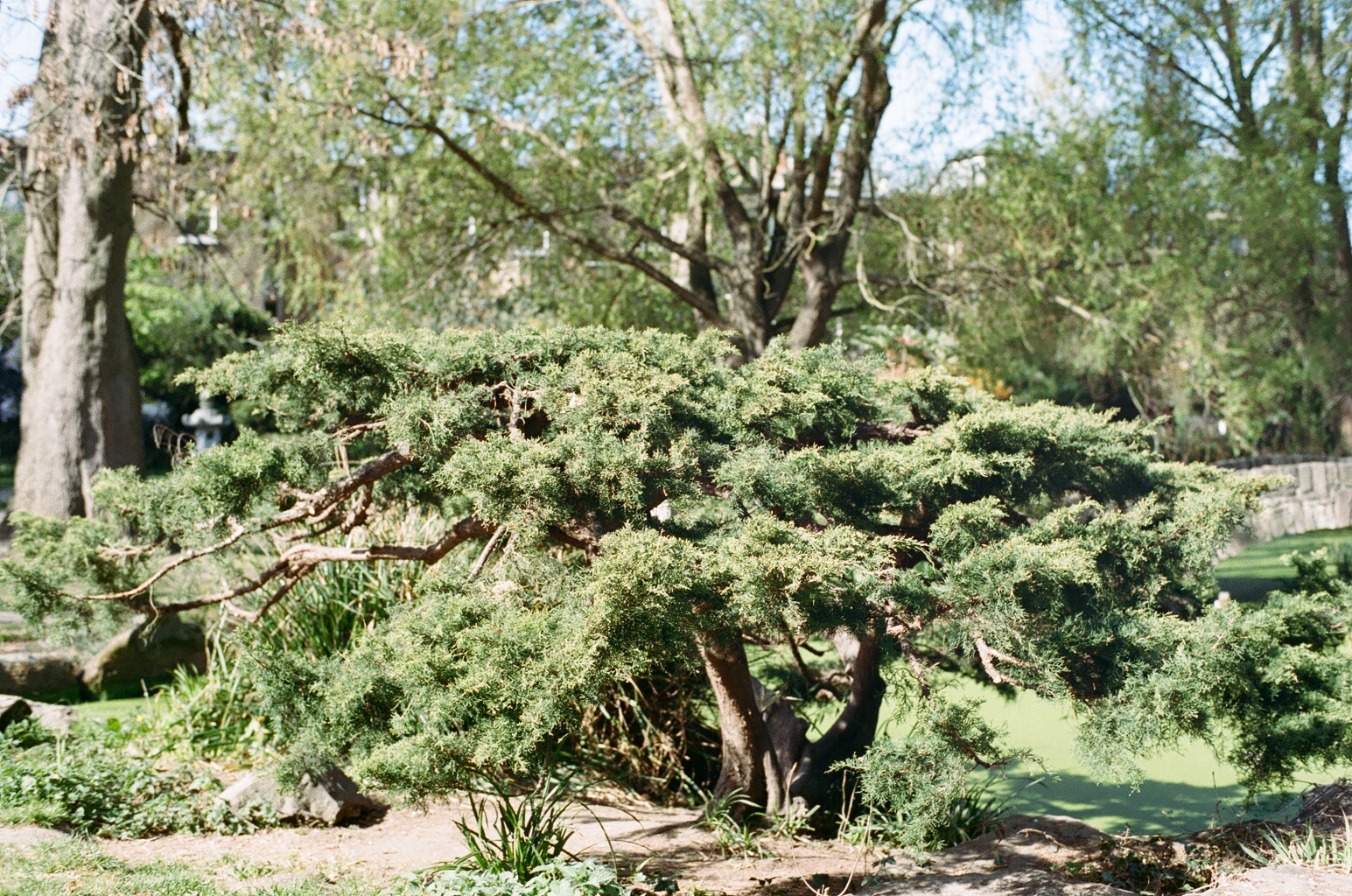
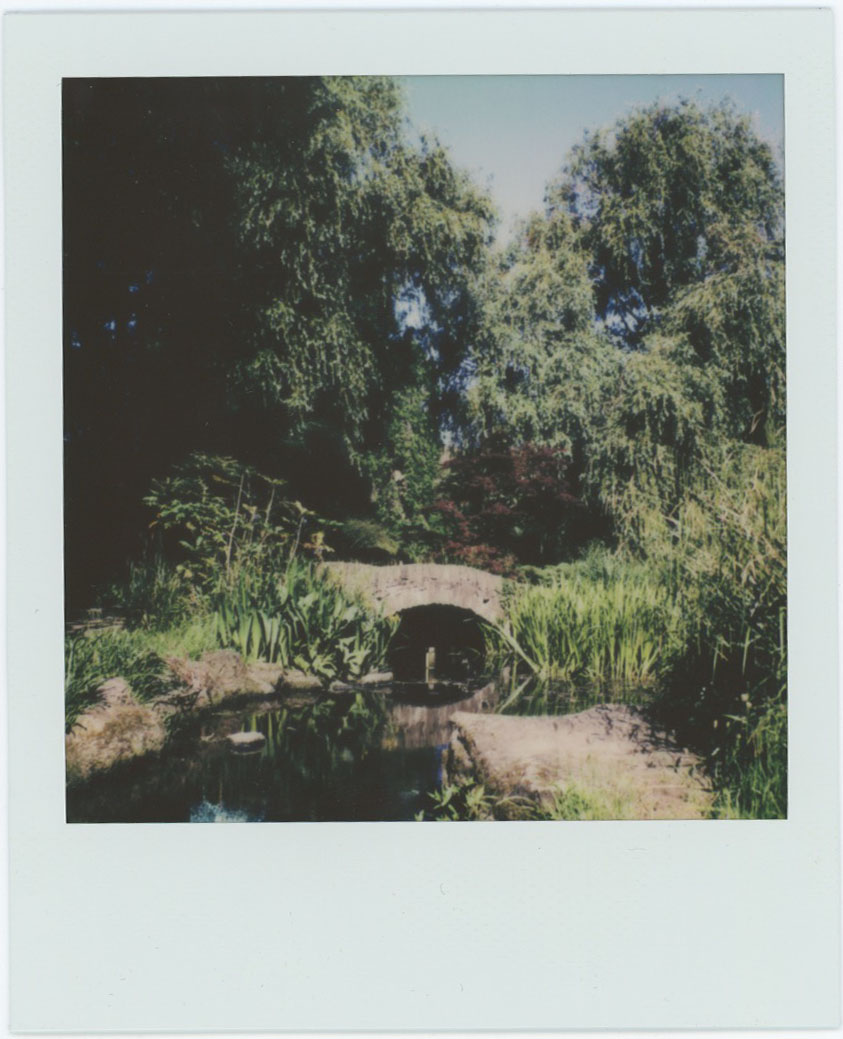
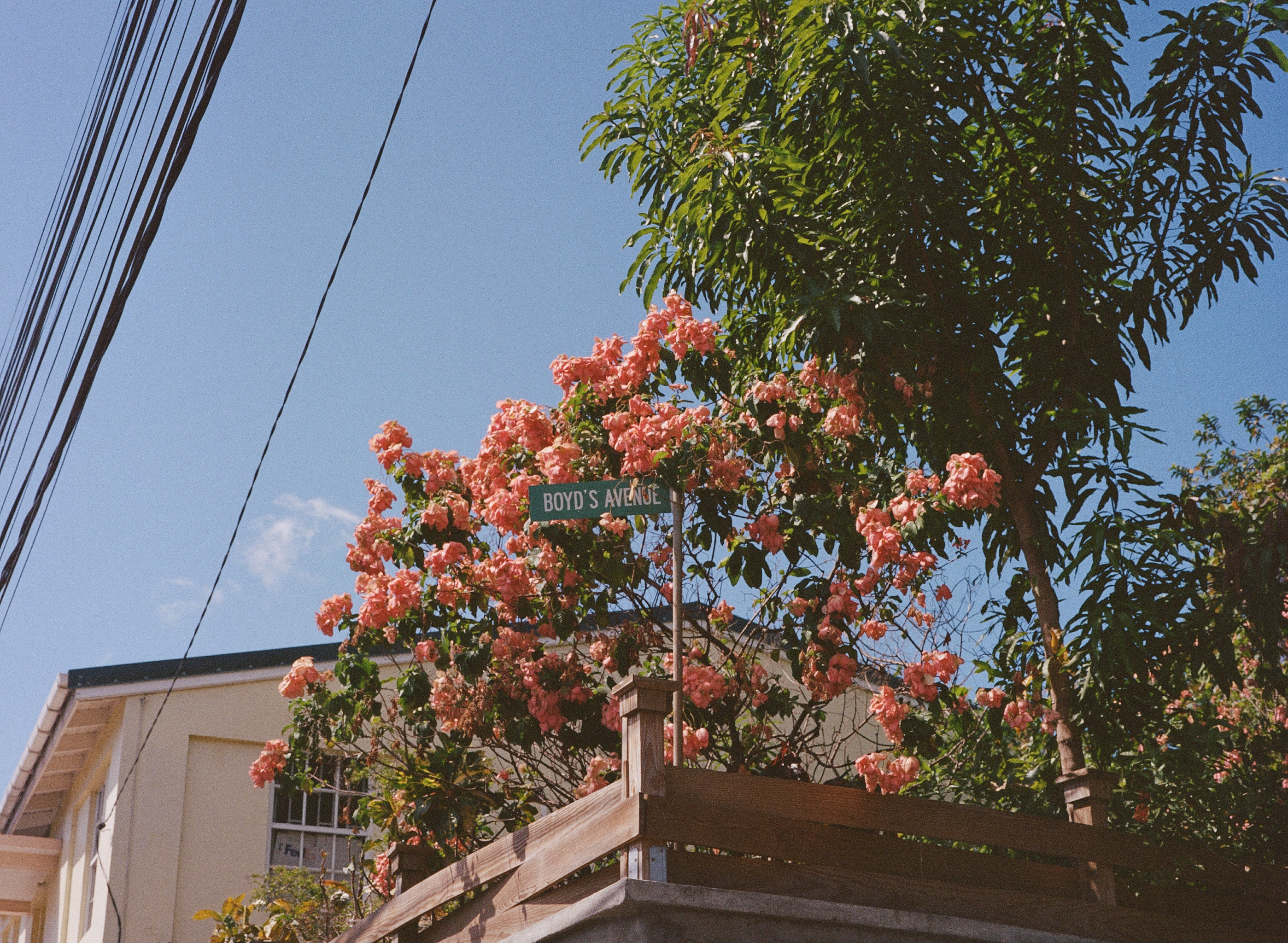
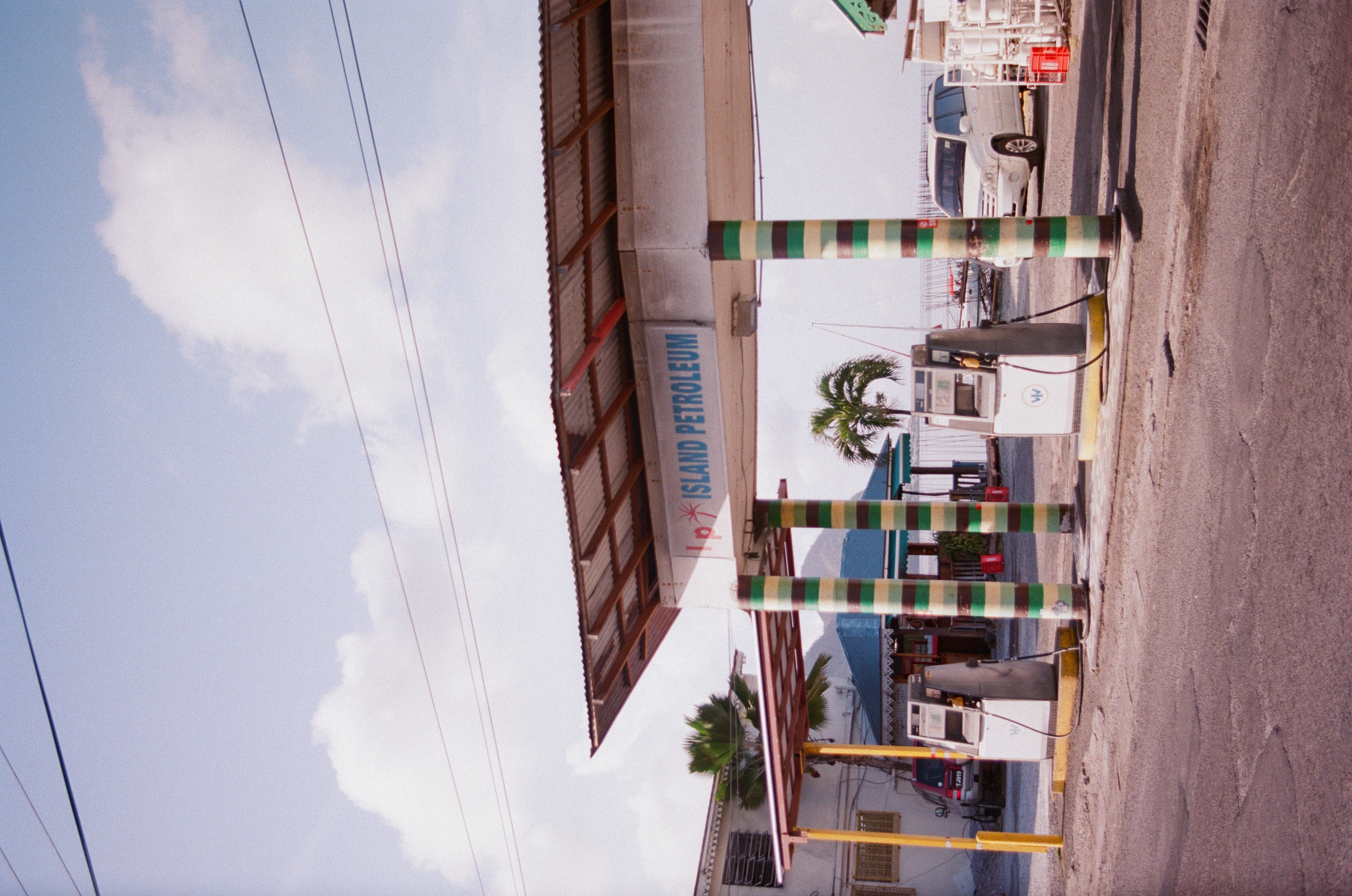
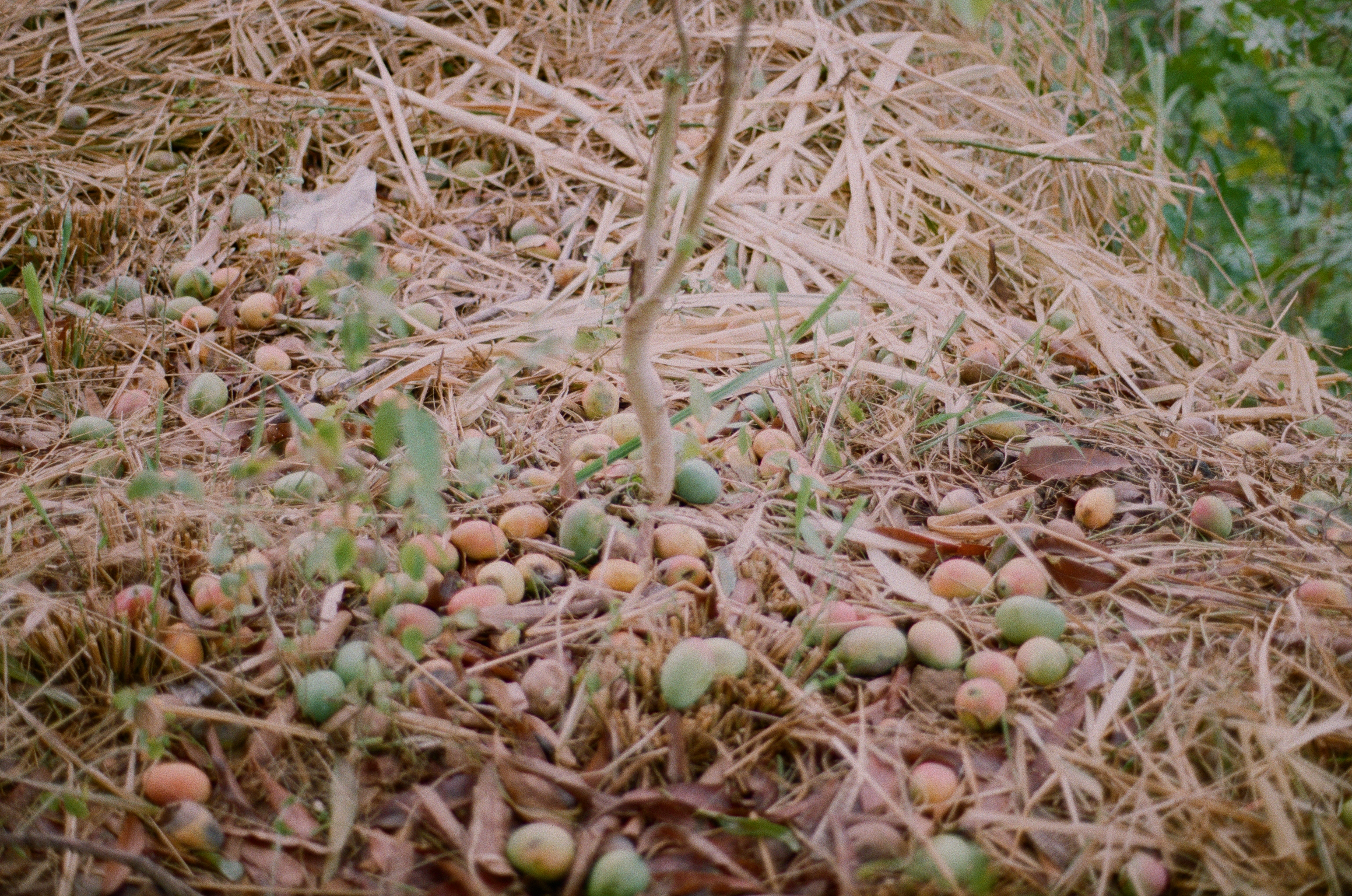
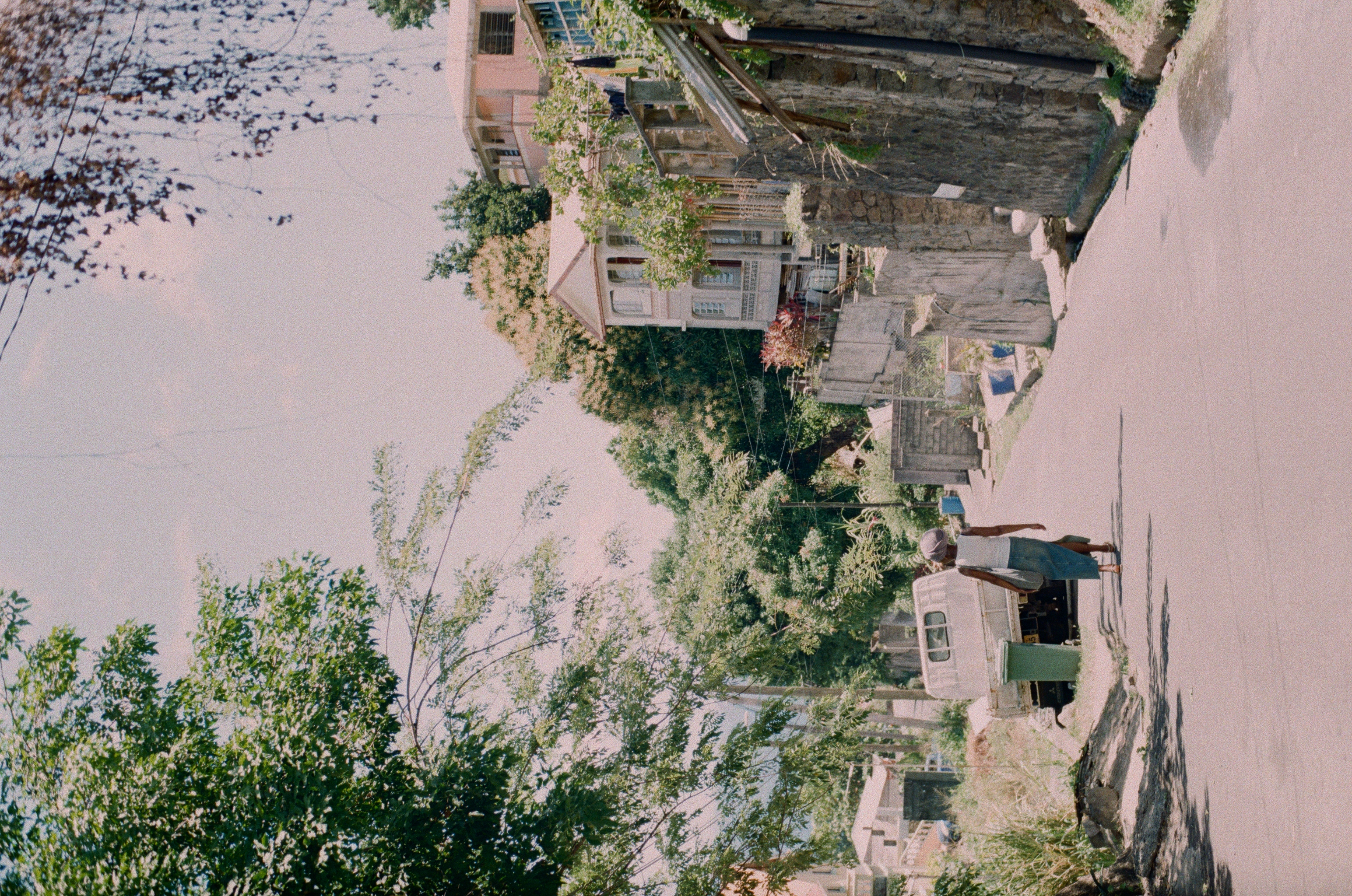
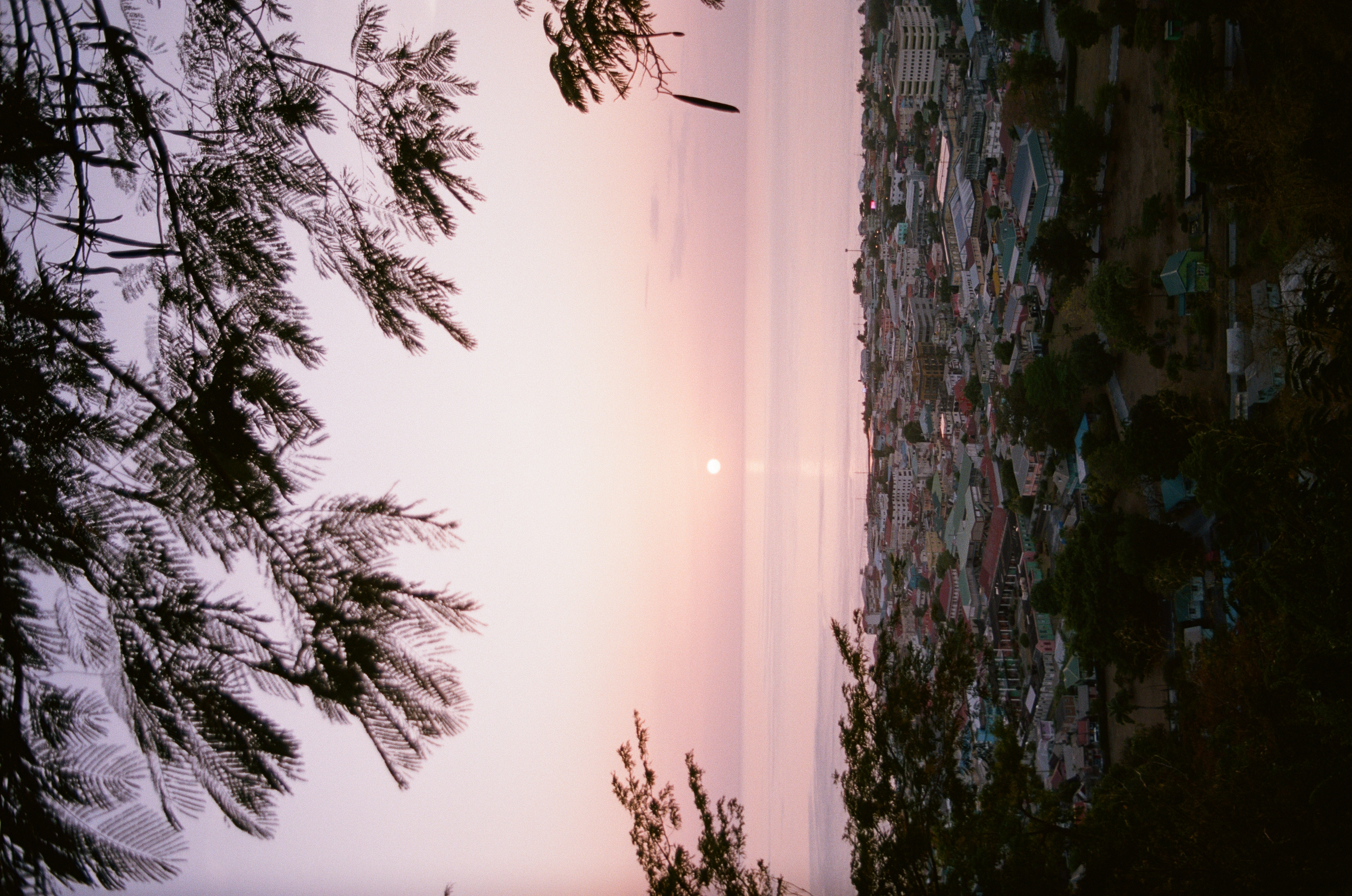
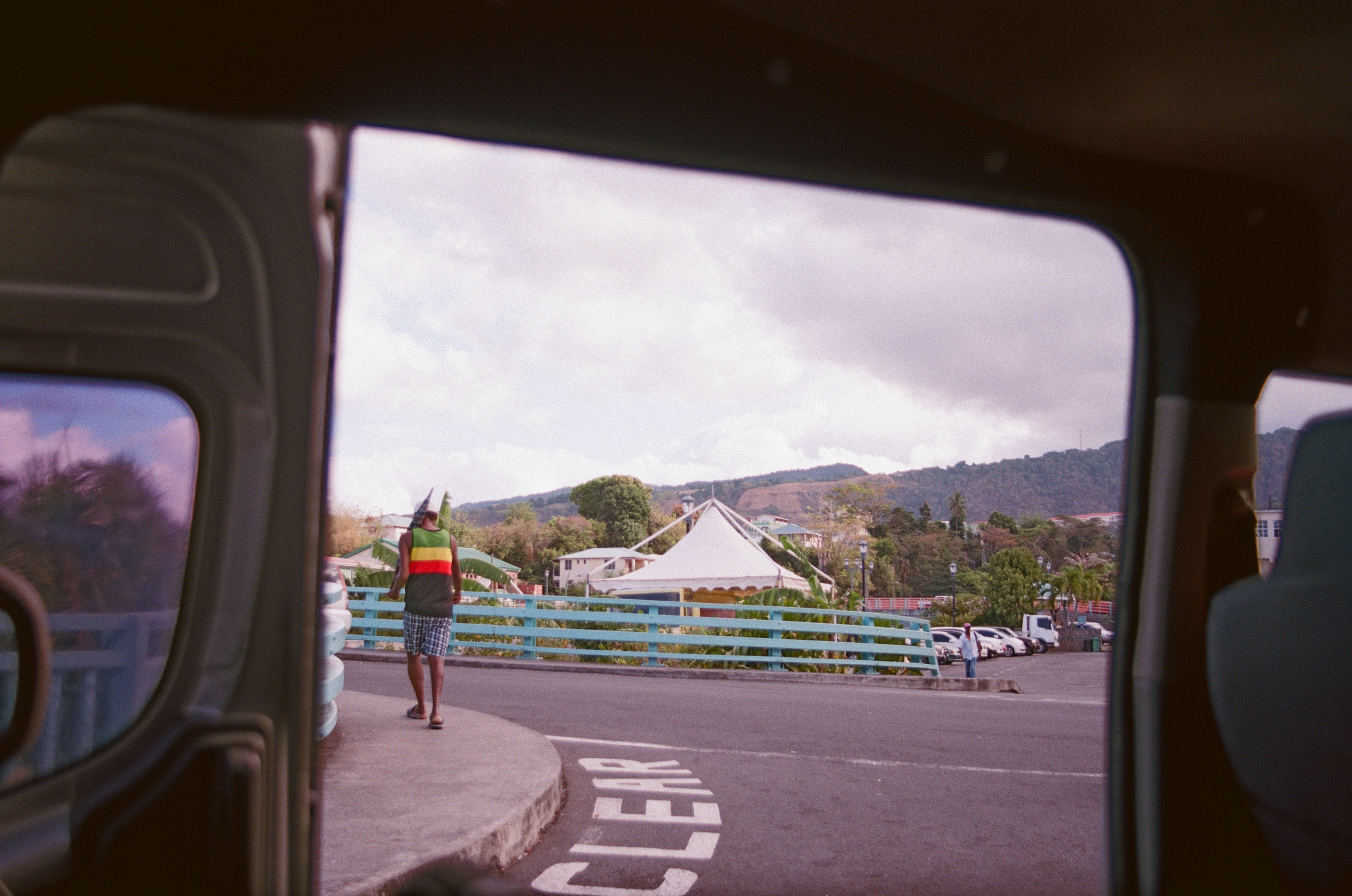
Whilst initially focused on interrogating my own experiences of diasporic subjecthood, this project also engages with Dominican’s ideas relative to the poetics of Caribbean landscapes alongside their experiences and memories they associate with open natural spaces like the National Botanic Gardens. Dominica’s original name is ‘Waitukubli’ which means ‘tall is her body’ and this name was bestowed upon the island by the indigenous Kalinago people. These photographs serve as a means of visually attending to Dominica’s poetics of landscape, and the locale of Kings Hill. They are also a means of introducing you to the enlivened Black Geographies of Kings Hill Dominica, thereby acting as a small window into this developing body of work. Please do enjoy and make sure to watch the super 8 film and listen to the soundscapes featured in the project. Many thanks for reading and keep an eye on the space for future developments.



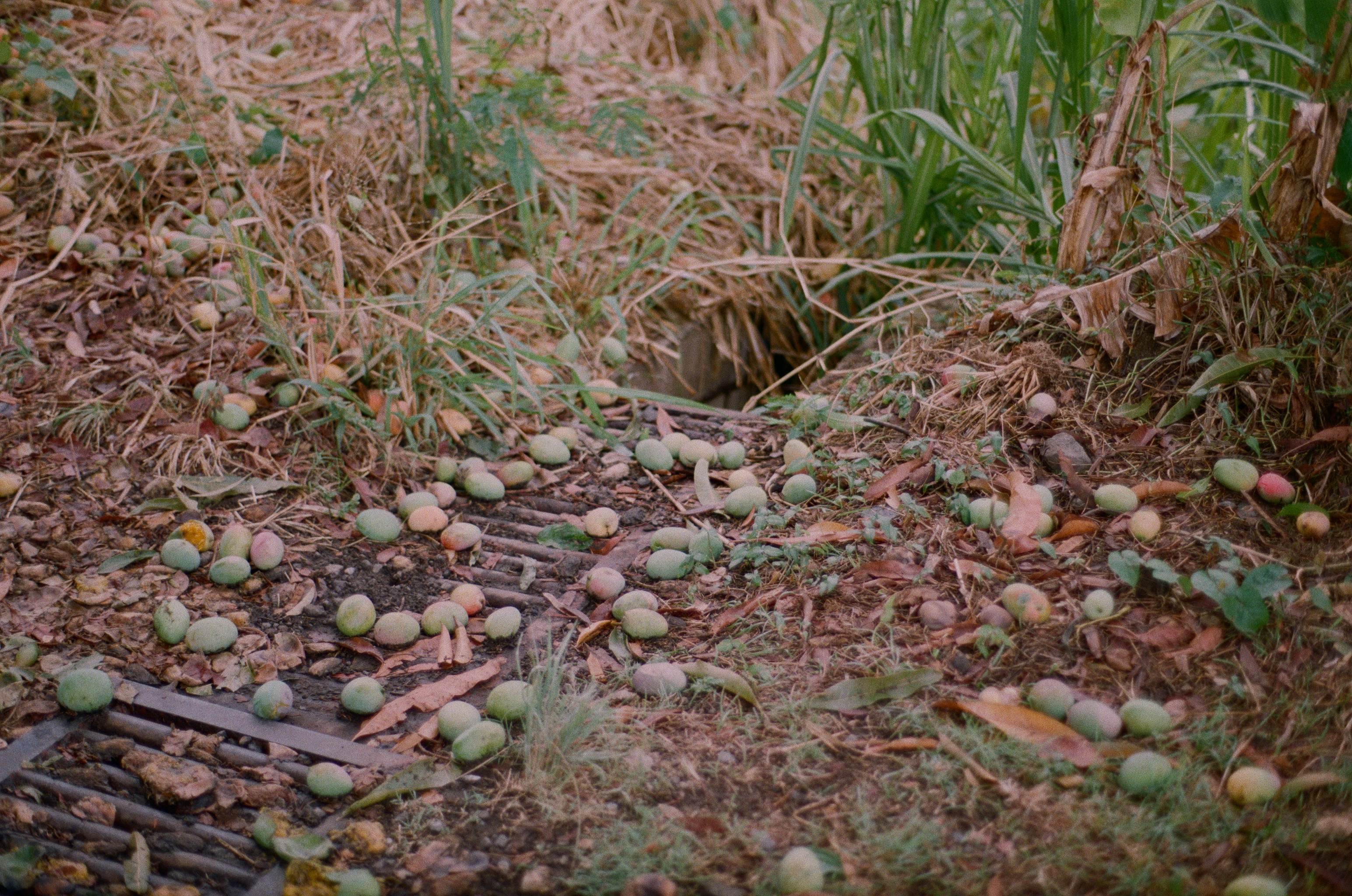


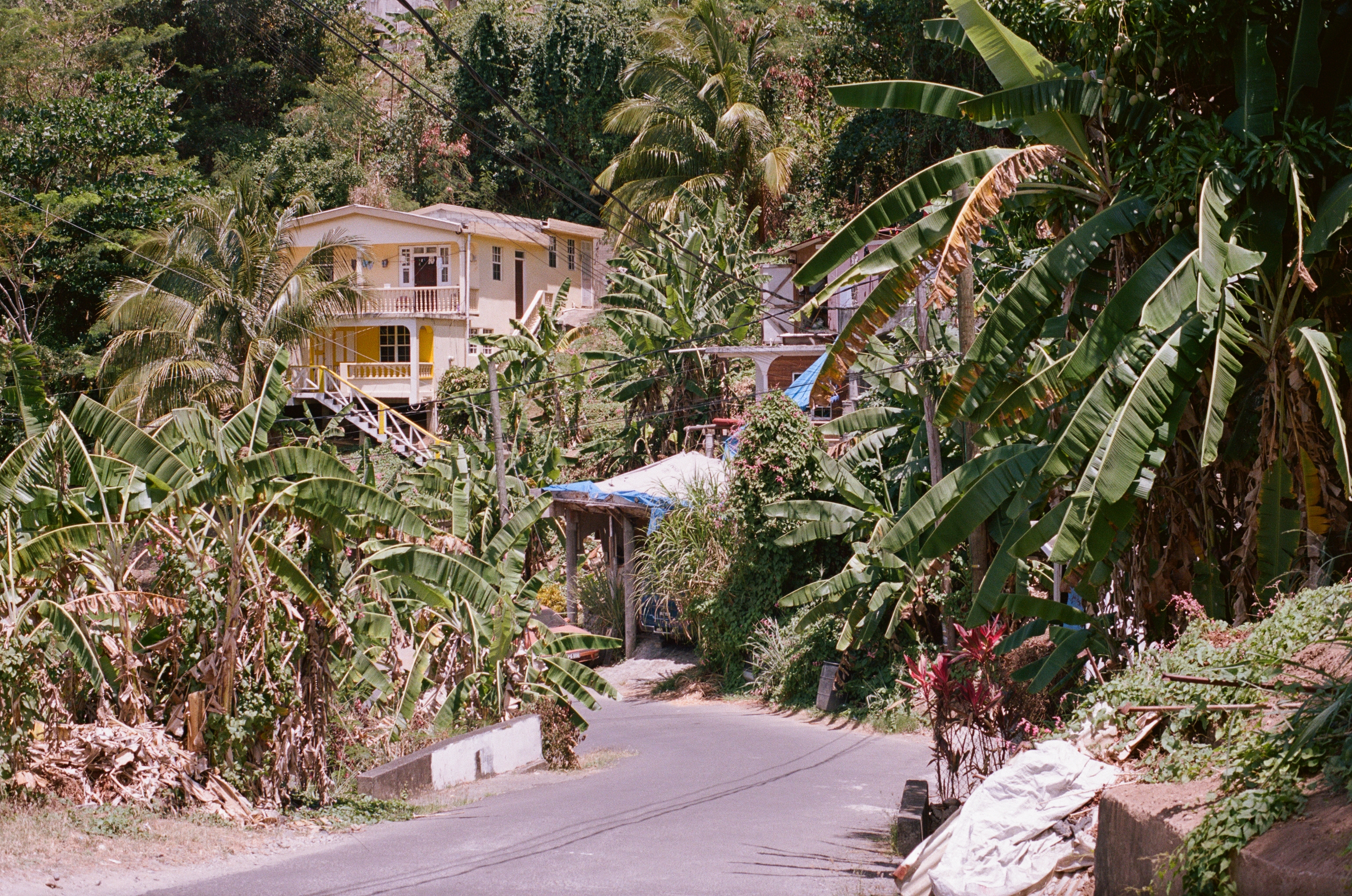

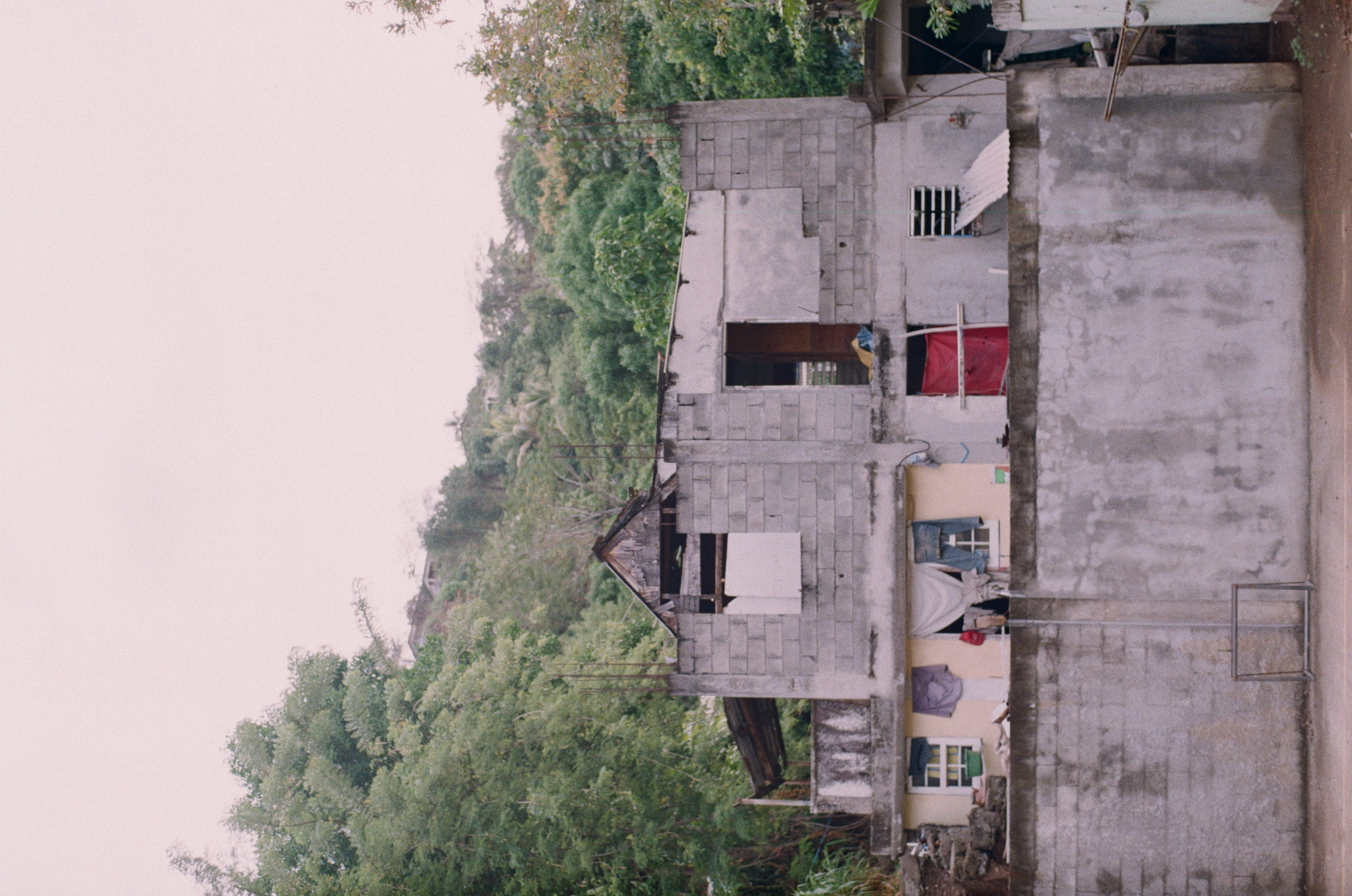
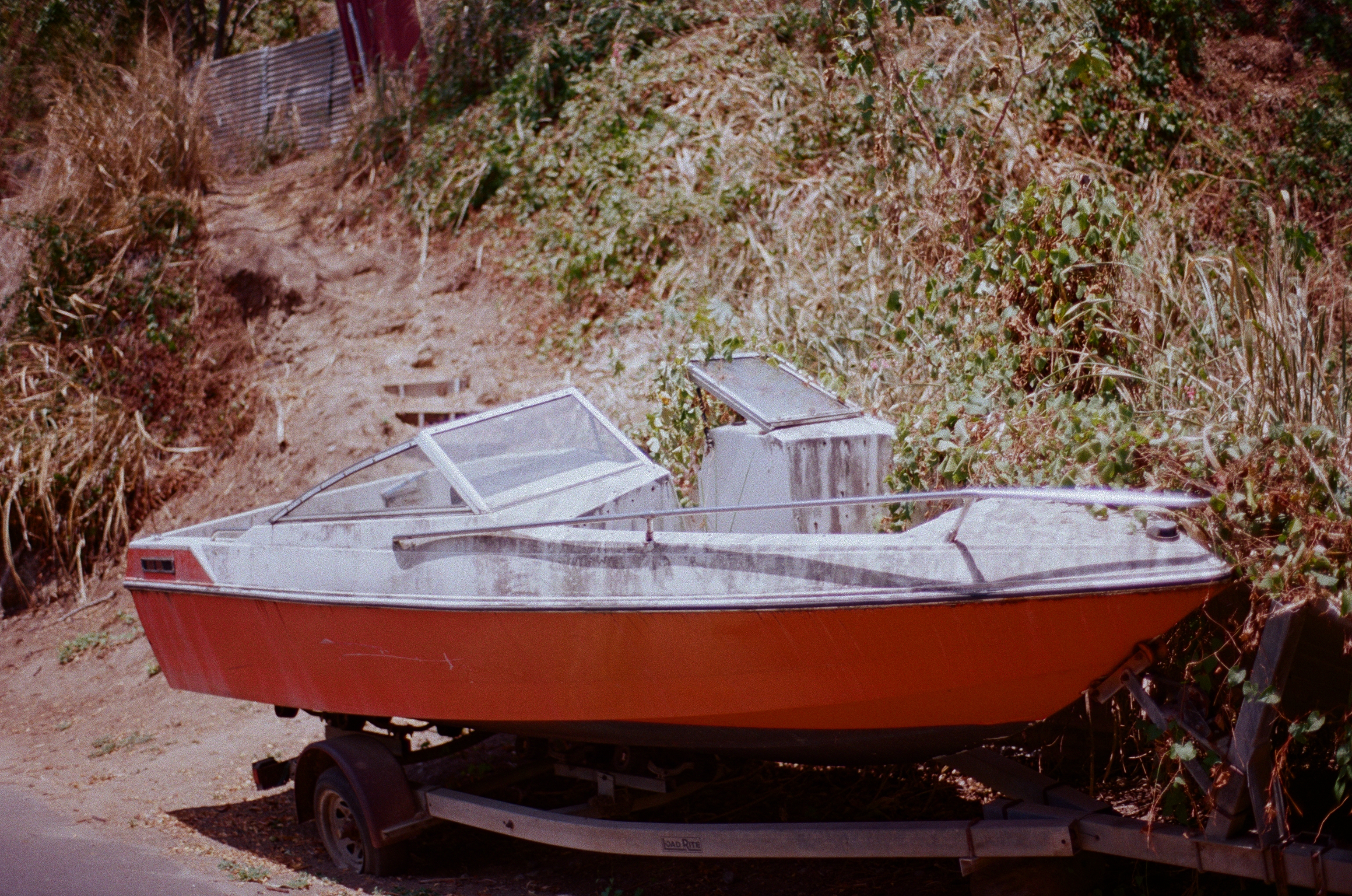
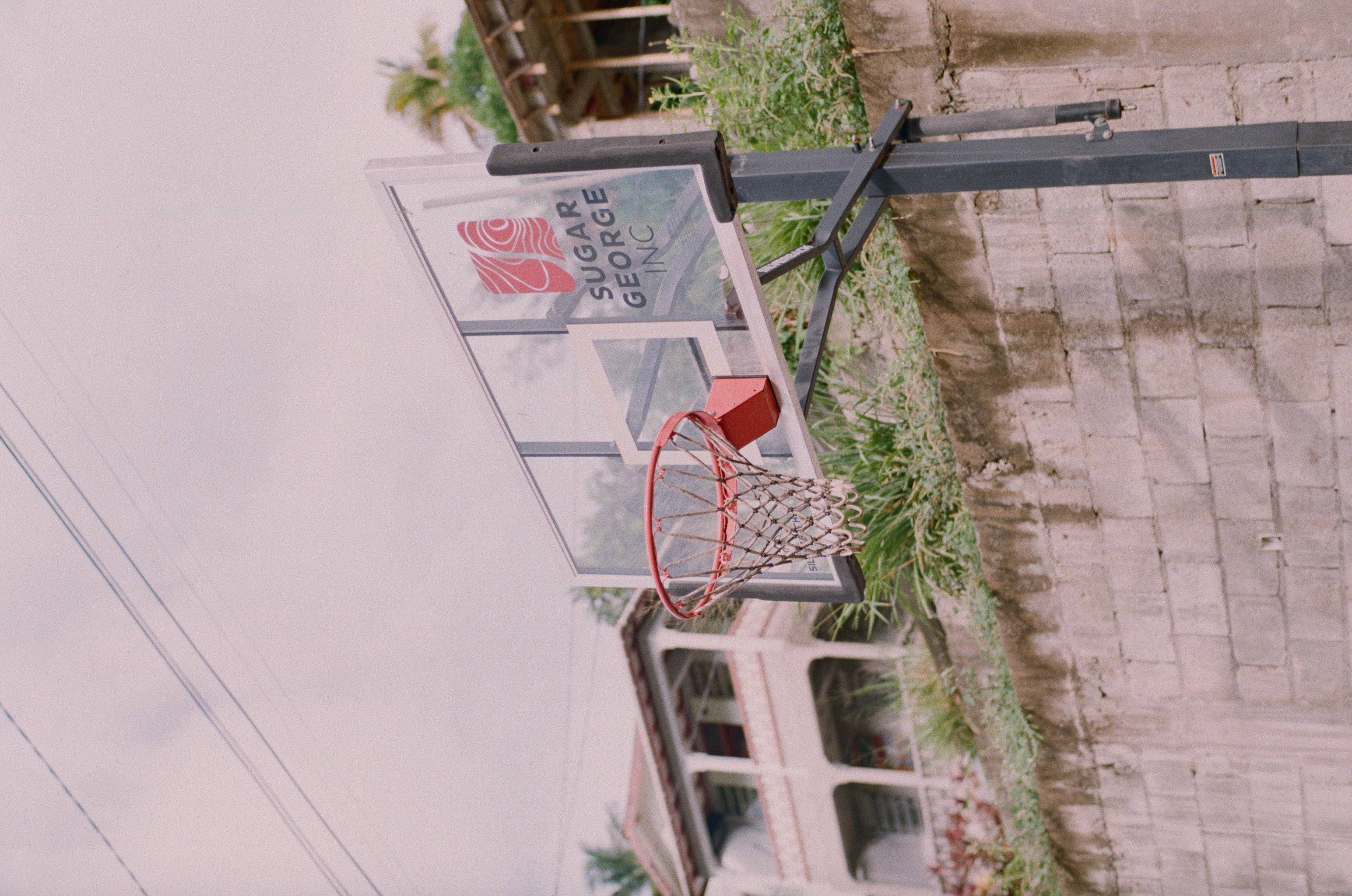


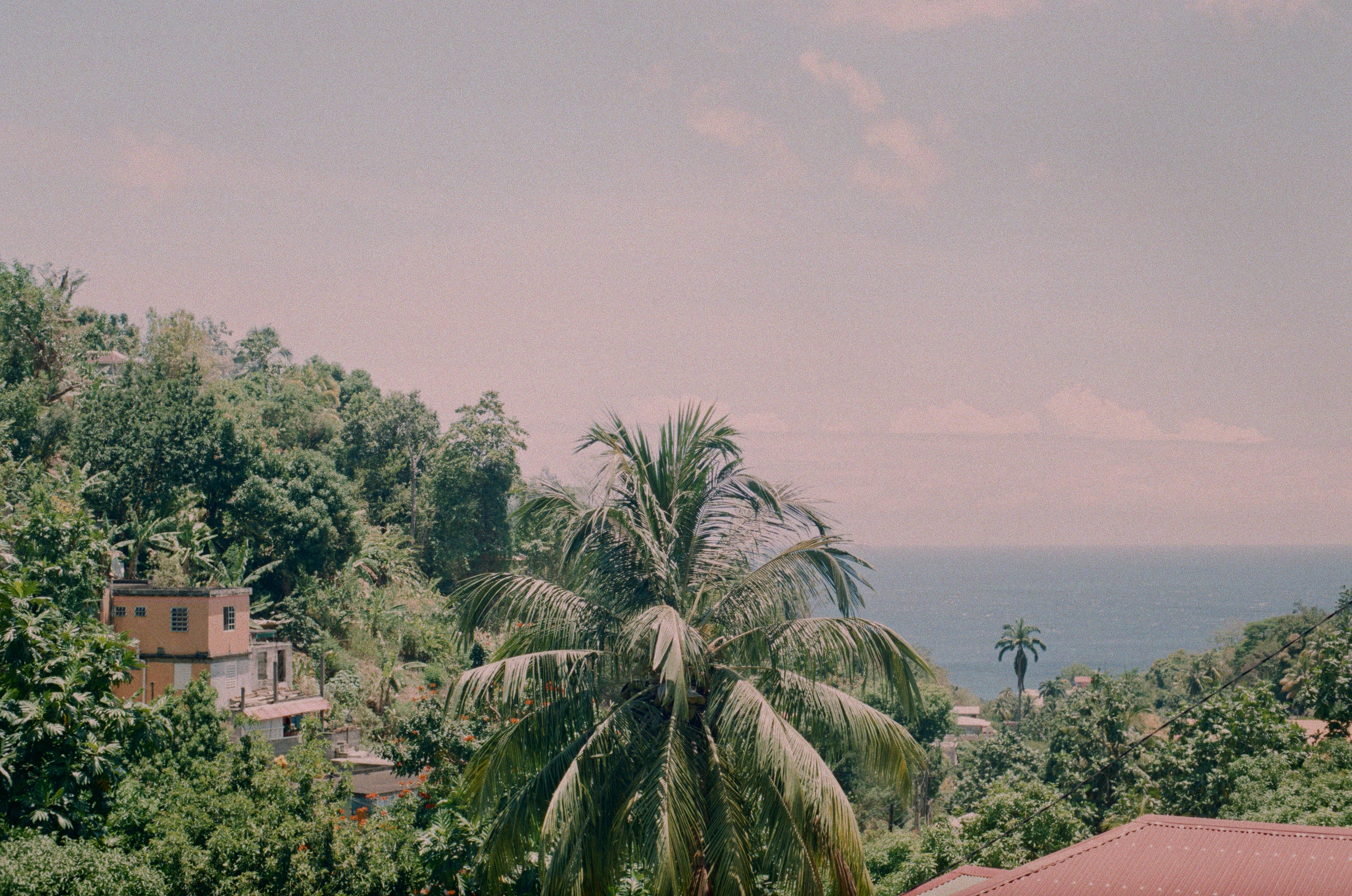


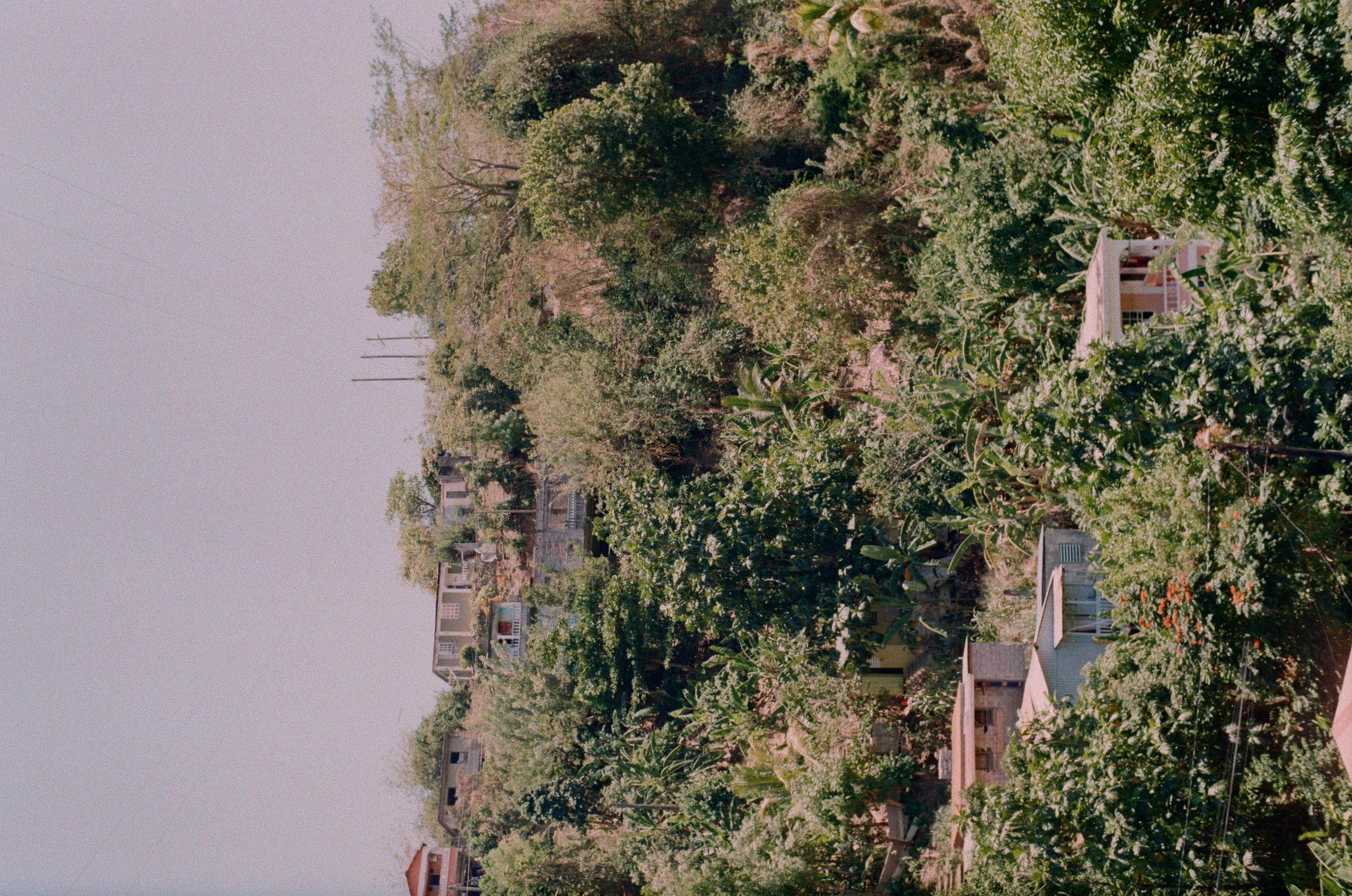


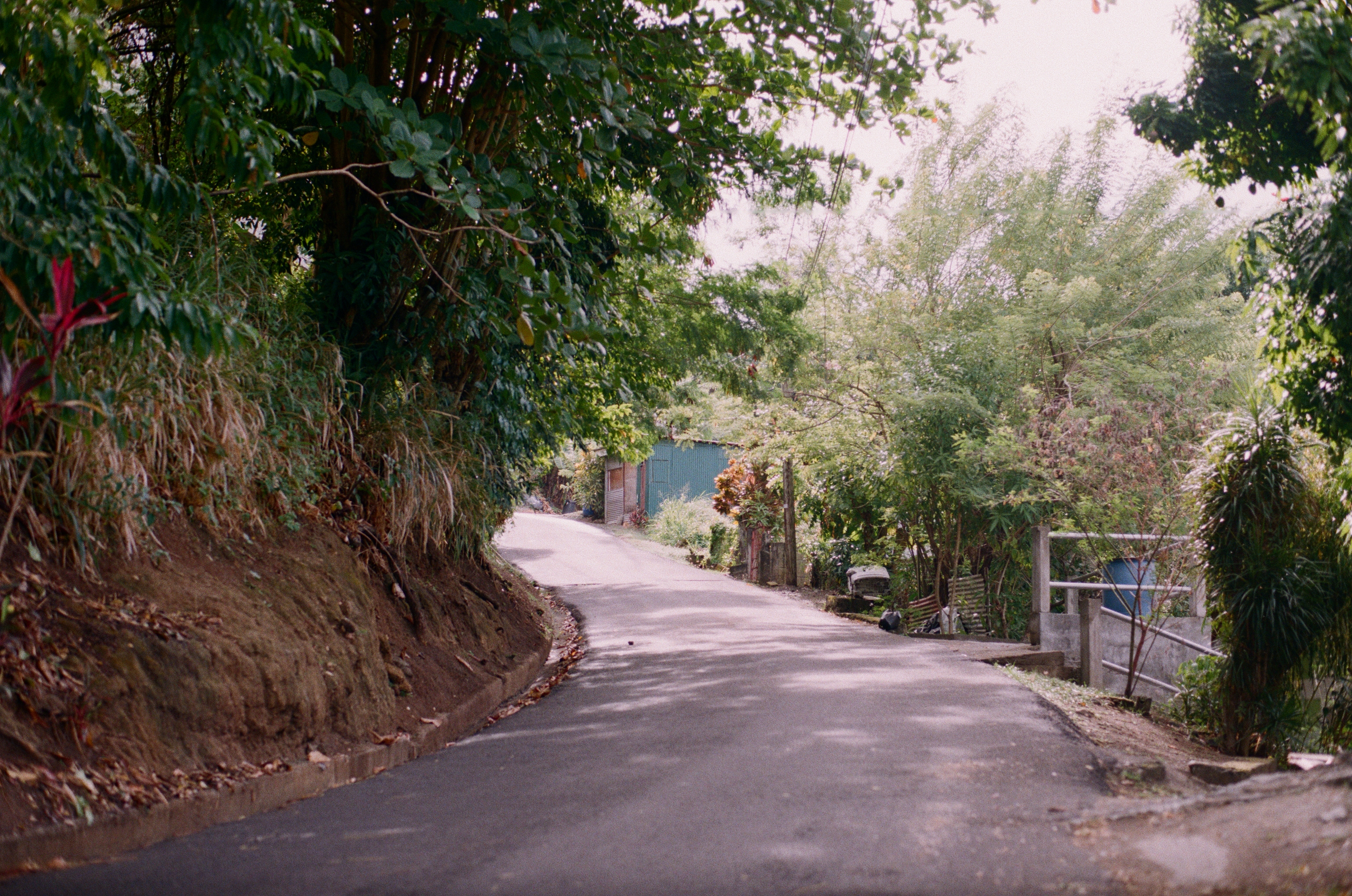


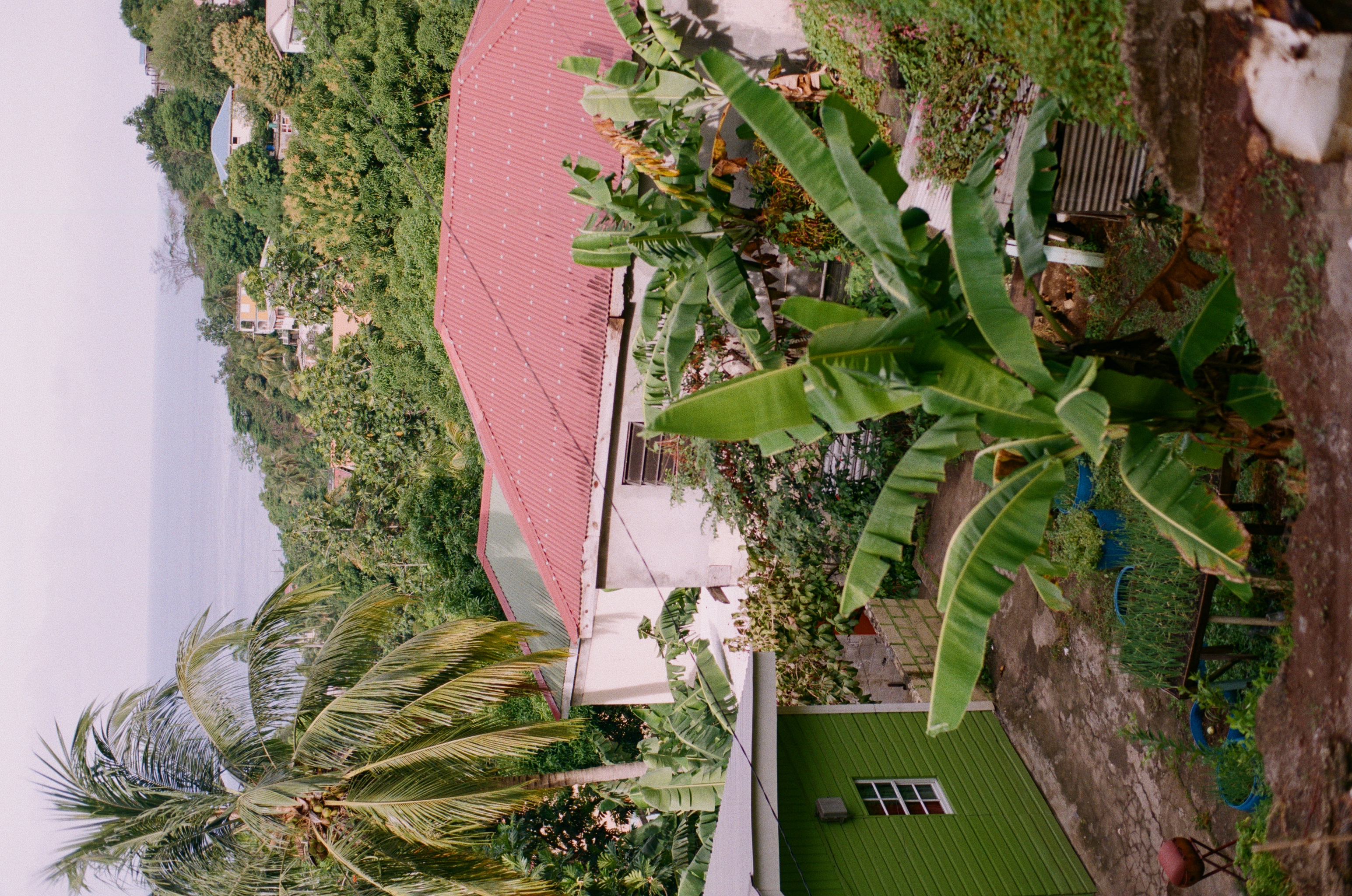


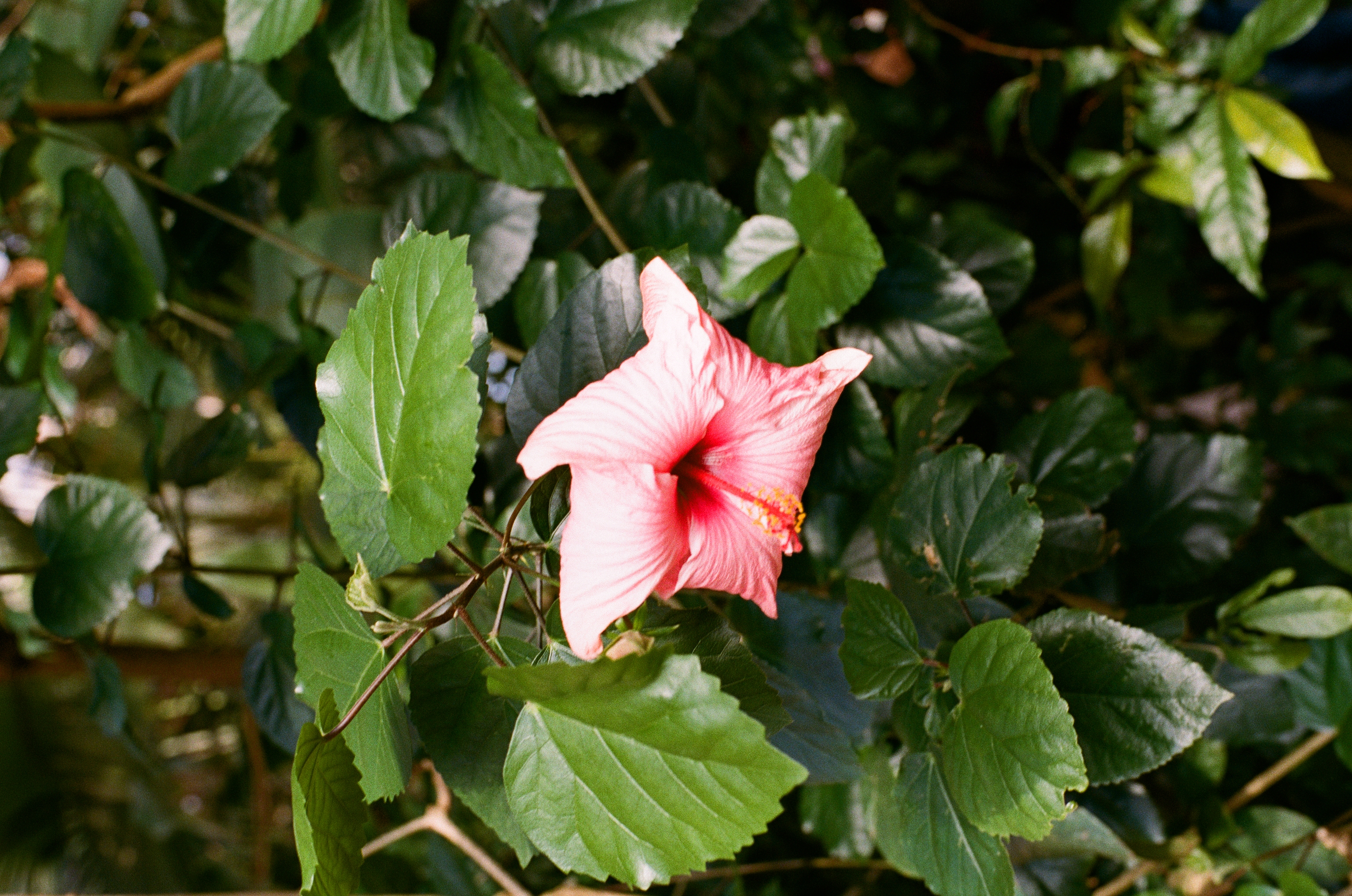
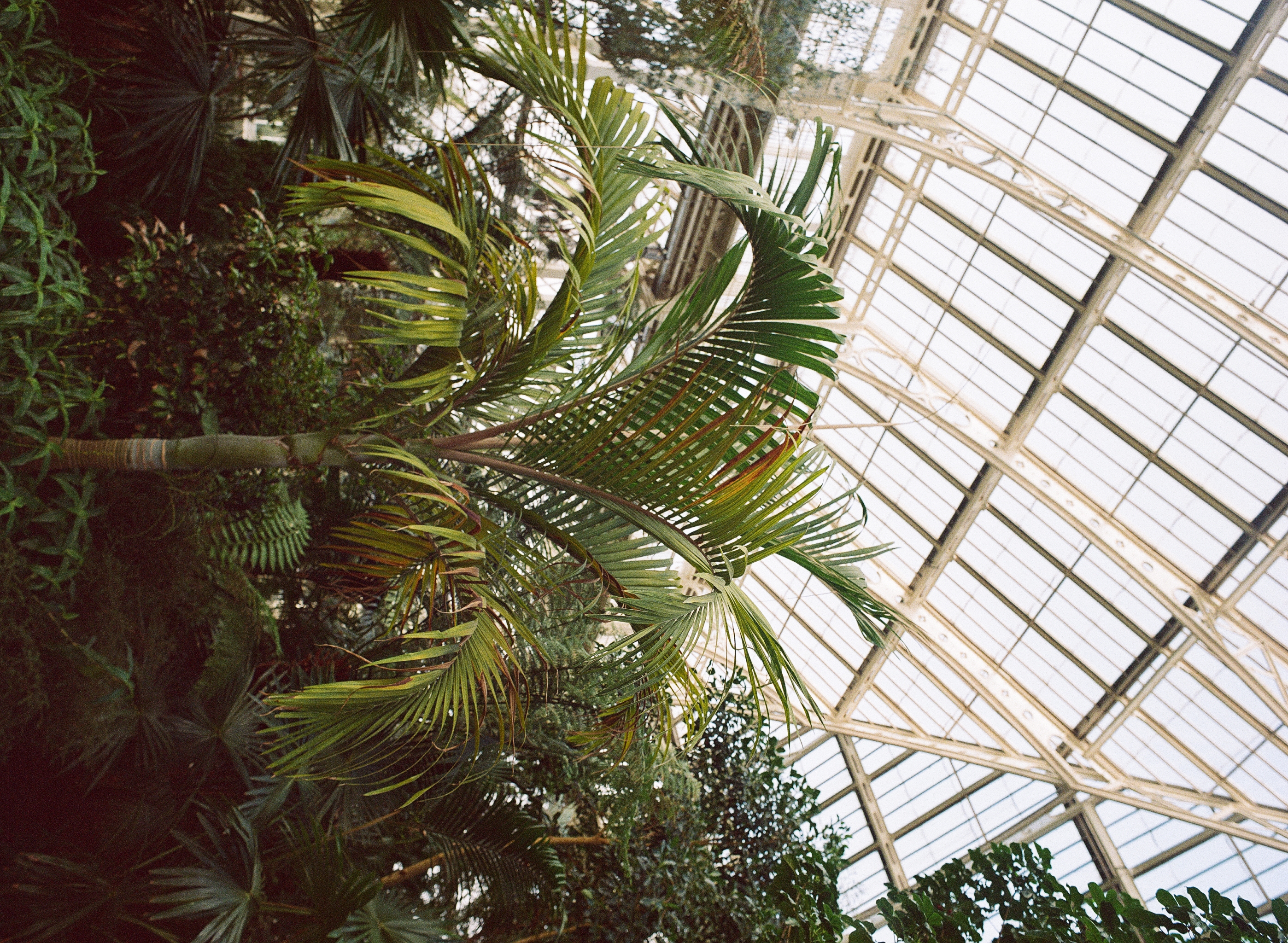
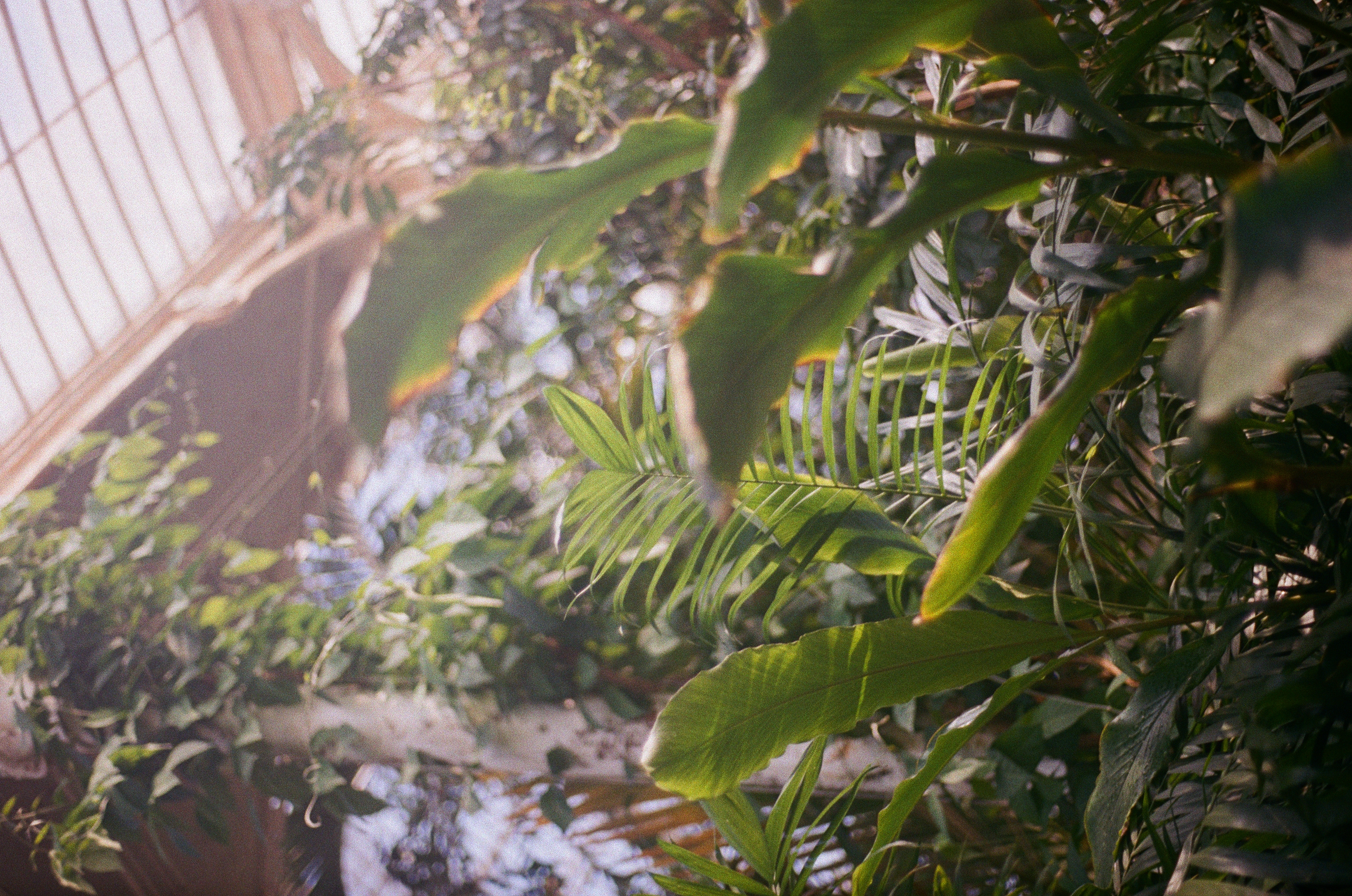
[KEW GARDENS, DOMINICA’S BOTANIC GARDENS AND MARTINQUE’S JARDIN DE BALATA GARDENS]
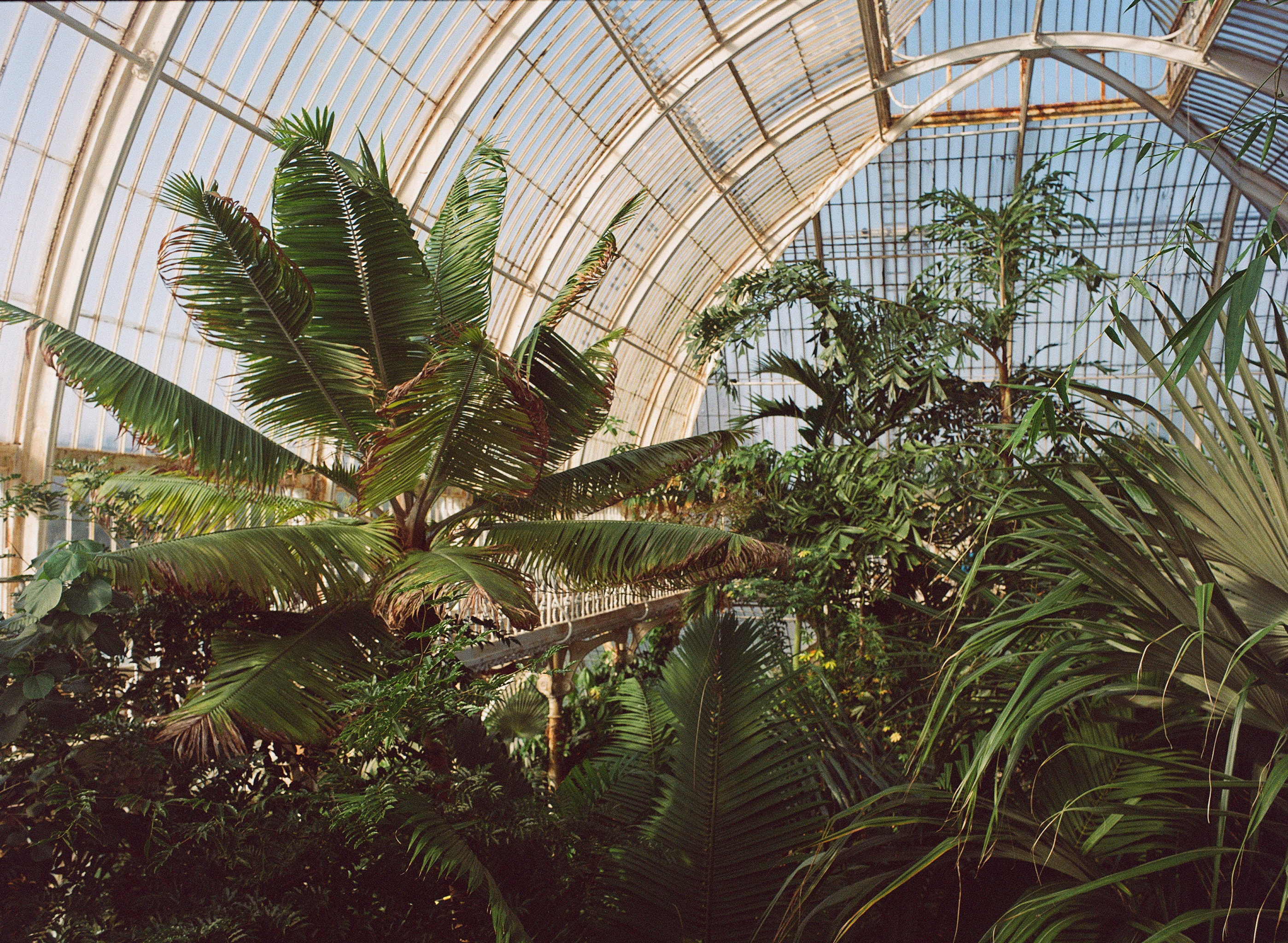
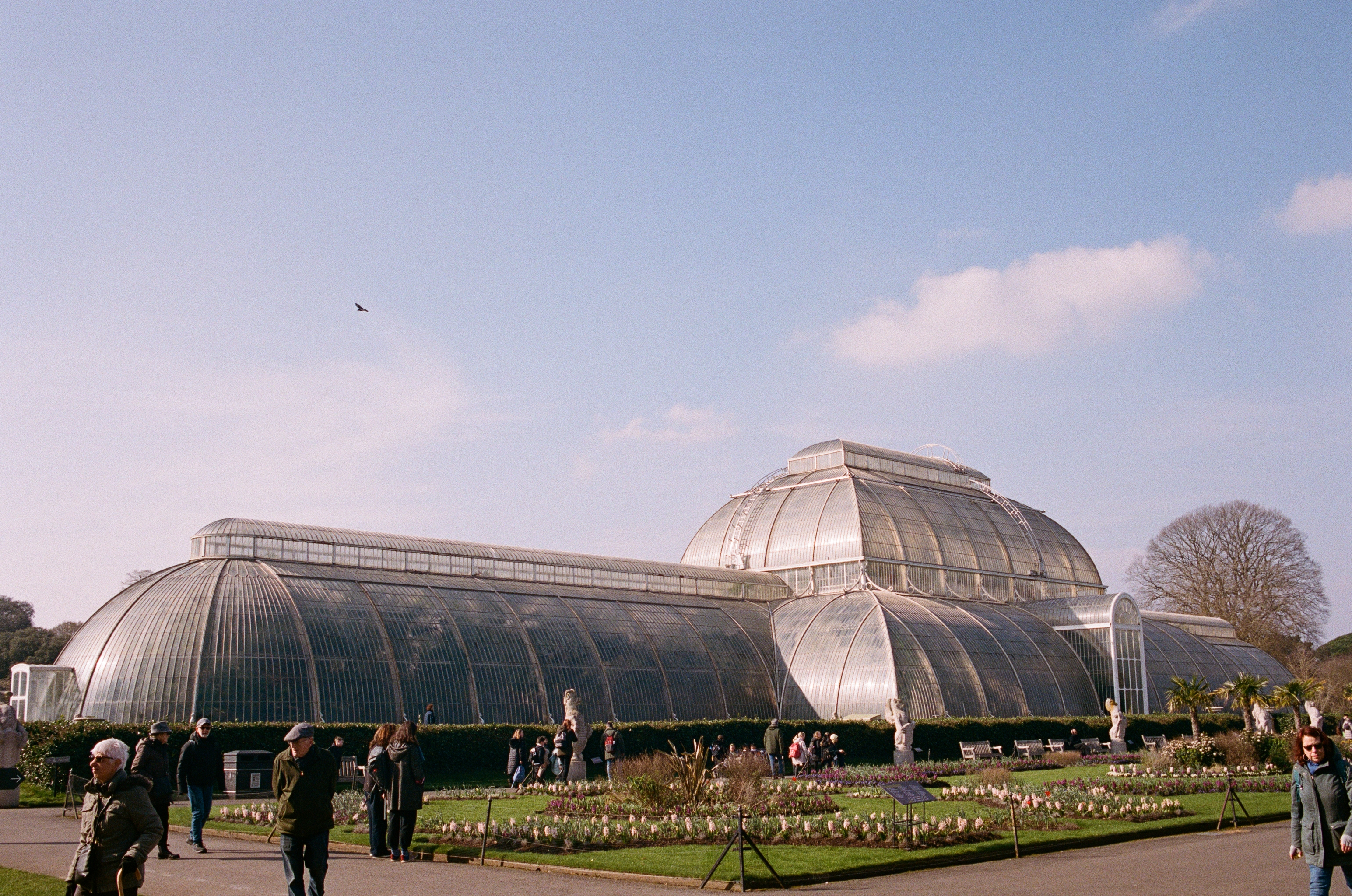
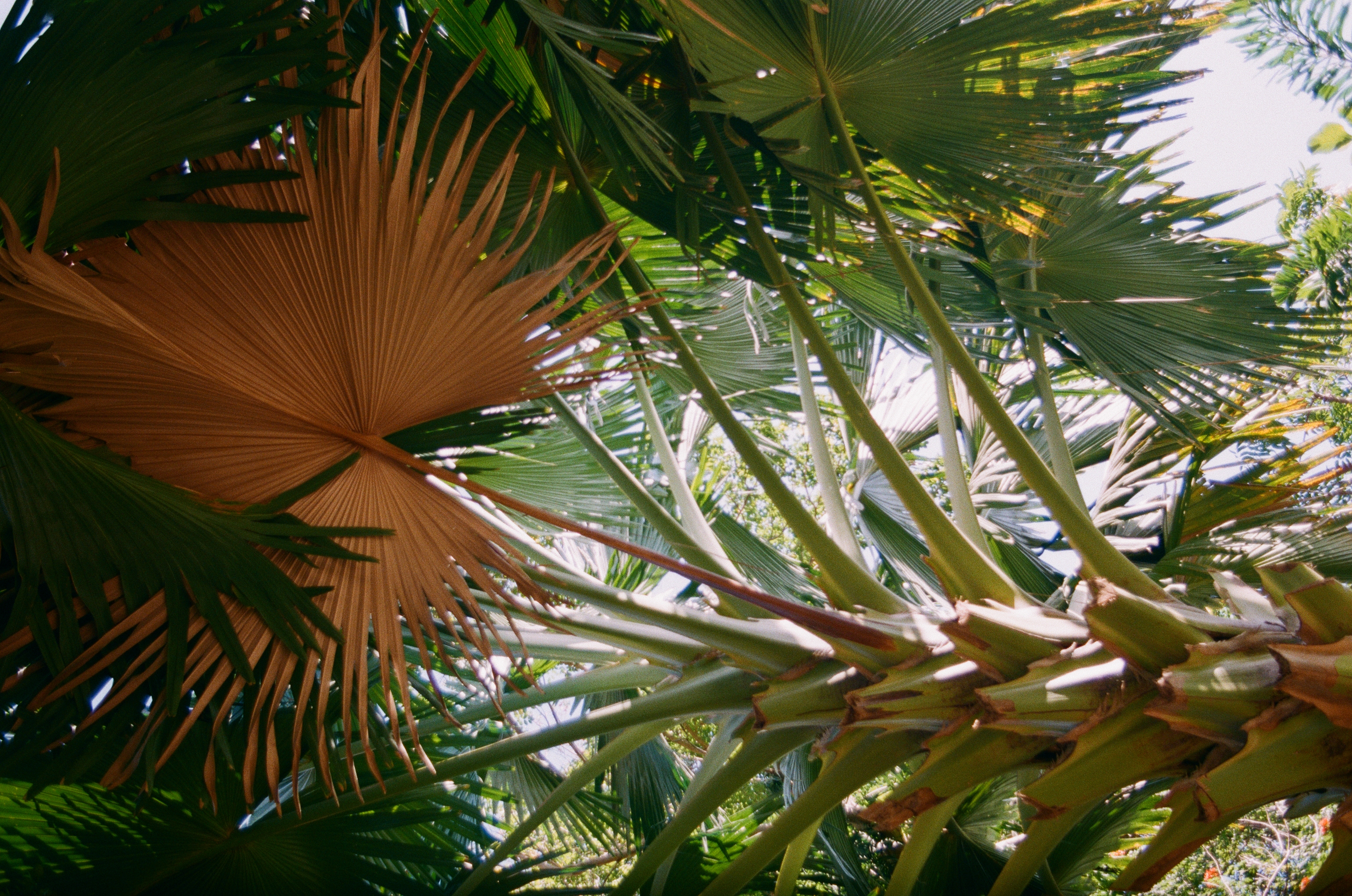
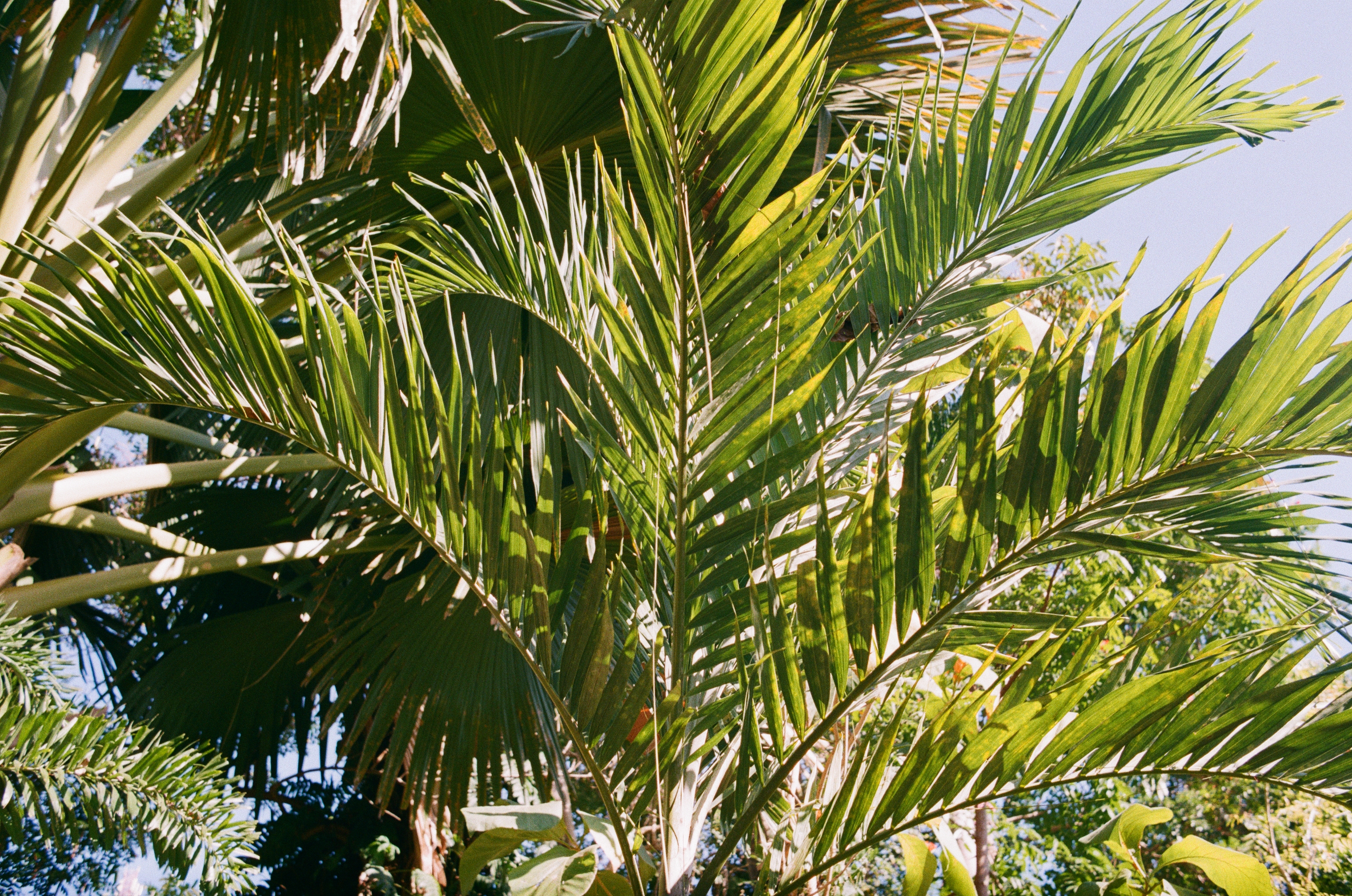
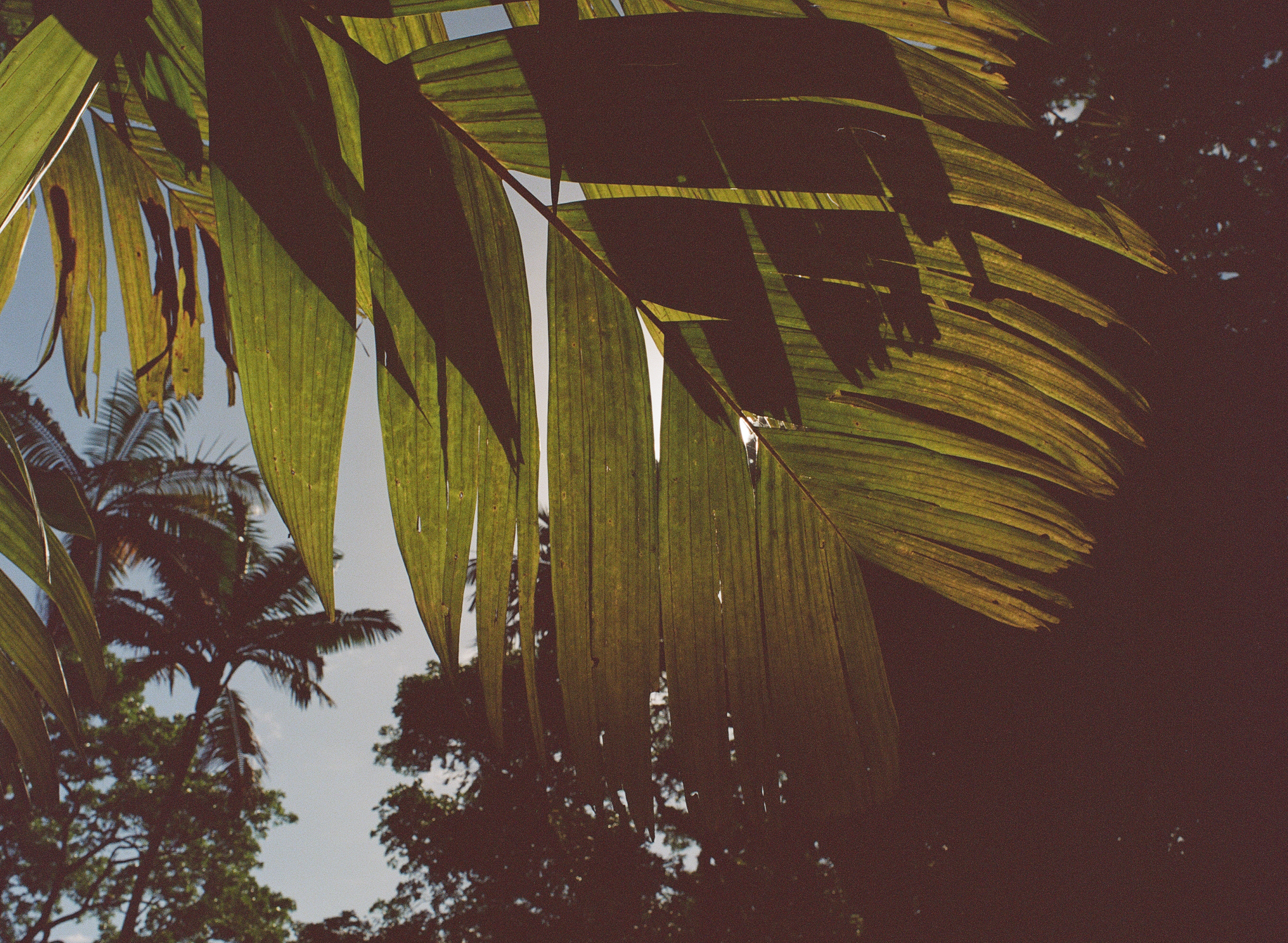
Shot in London in March 2024, as a way to practise my photography with tropical plants, these initial photographs of Kew Gardens Palm House will be complemented by a series of photographs made with Dominica’s Botanic Gardens. This collection of photographs will also draw on a developing Global Black Geographies auto-ethnographic project I am committing to with the locale of Kings Hill Dominica and Dominica’s own respective Botanic Gardens.I am interested in exploring King’s Hill due to my unexplored familial connections to the locale. King’s Hill is my mother's former home before she migrated to the U.K. It is also currently a home to extended family who remain to live on the island. The creation of a geographic practice-based body of work is the primary aim of this project, which I intend to freely share with archives/libraries in Dominica and the U.K.
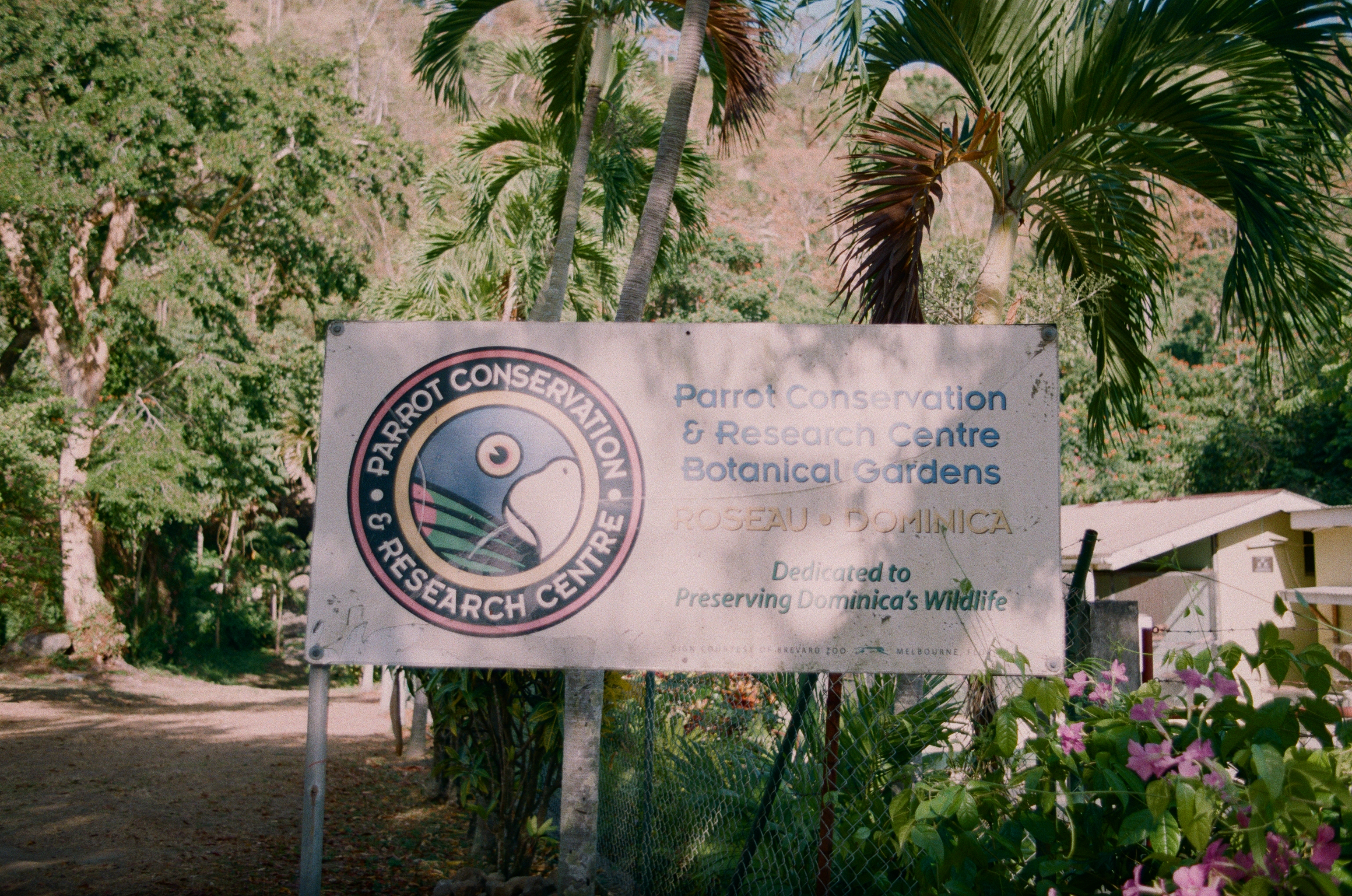
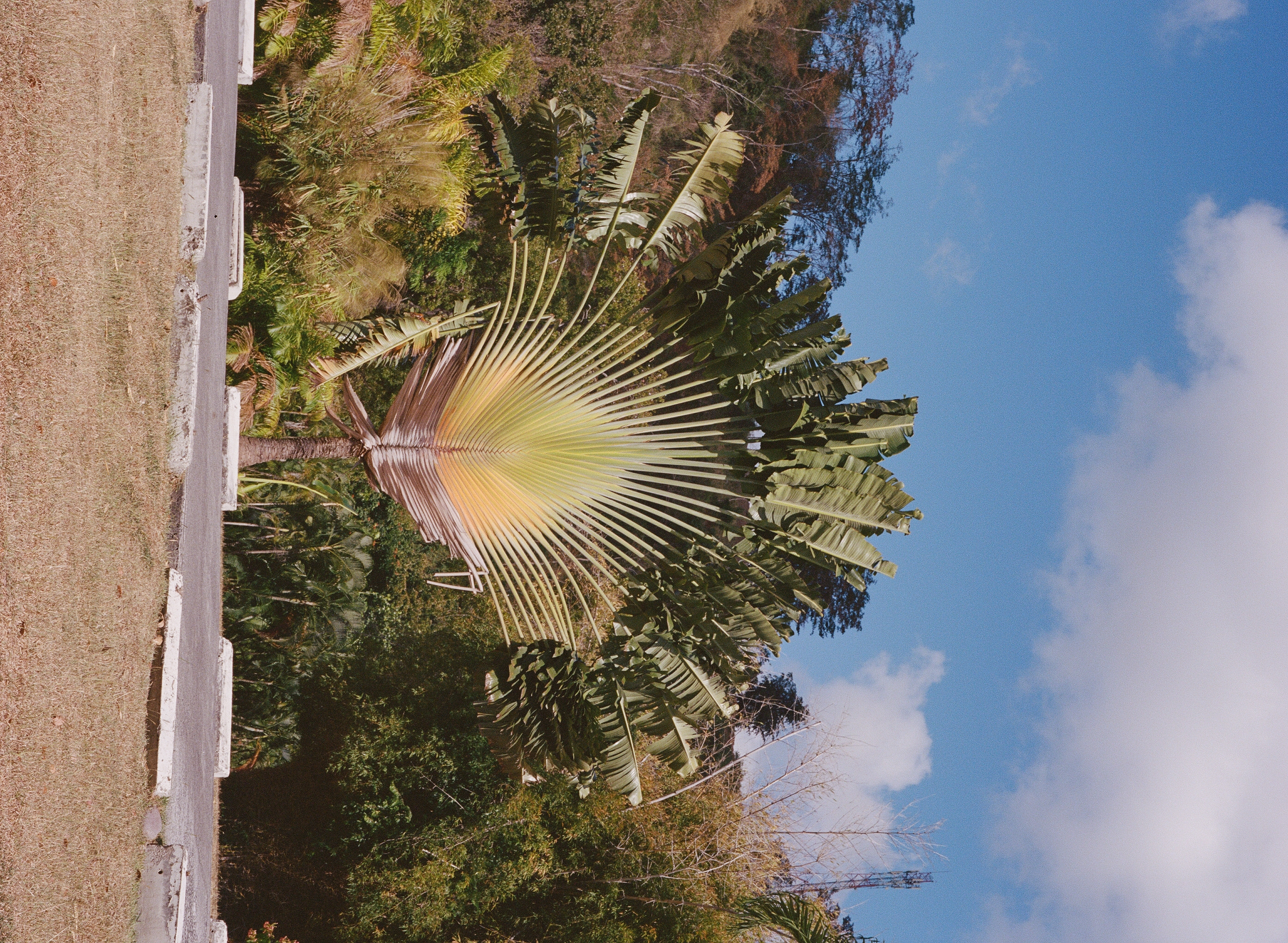
Comprised by 44 acres of former sugar cane plantation fields to the east of Roseau, Dominica’s Botanic Gardens were set up by a series of British and Kew Gardens based curators who travelled to the island in the 1890s to orientate the gardens towards economical and experimental activities through the cultivation various ornamental plants, whose origins spread across the globe. My practice-related approach to this auto-ethnographic body of work will see me explore framing ideas of home, heritage and belonging through a visual attendance to Dominica’s natural and man-made landscapes.








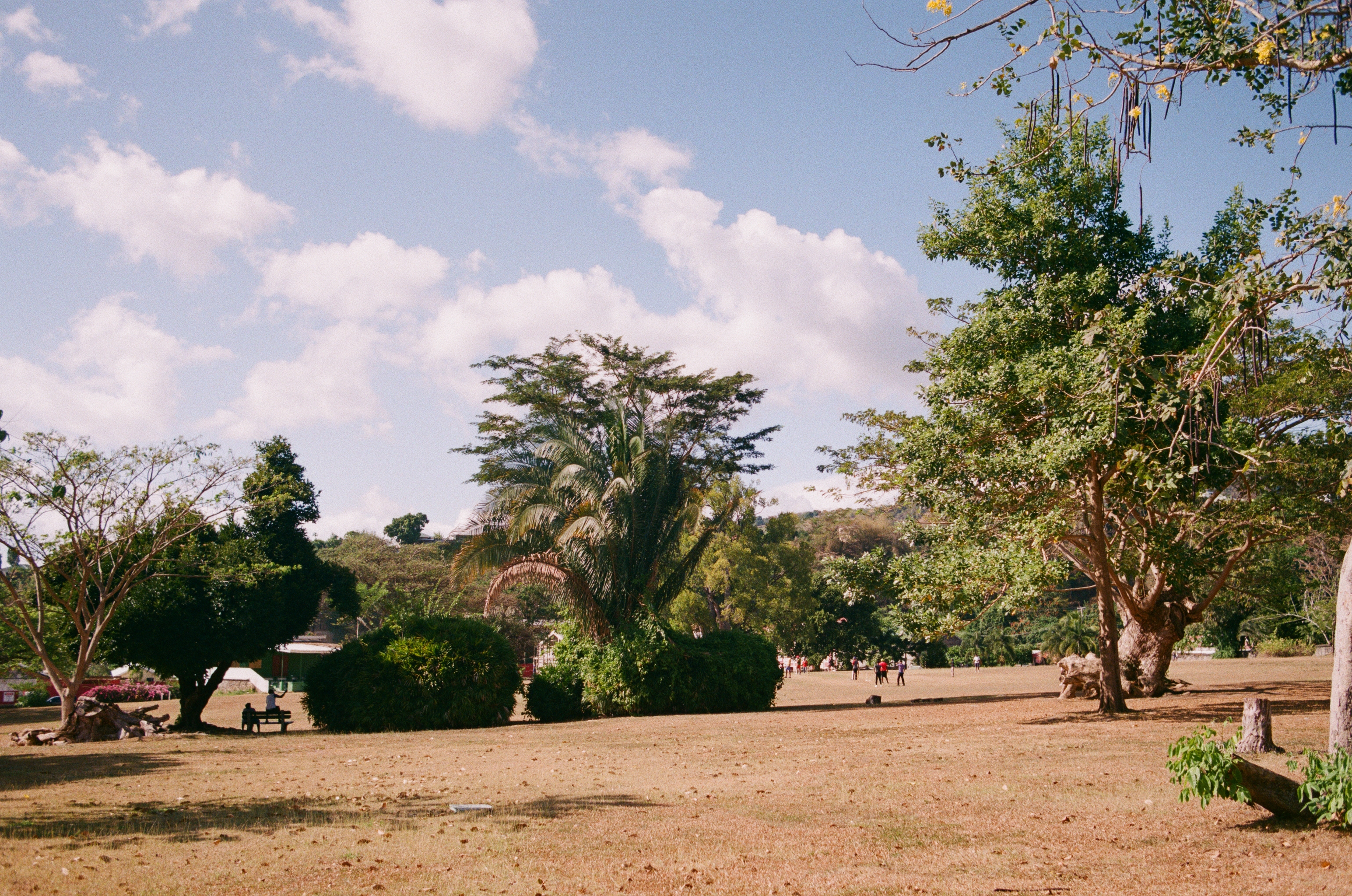
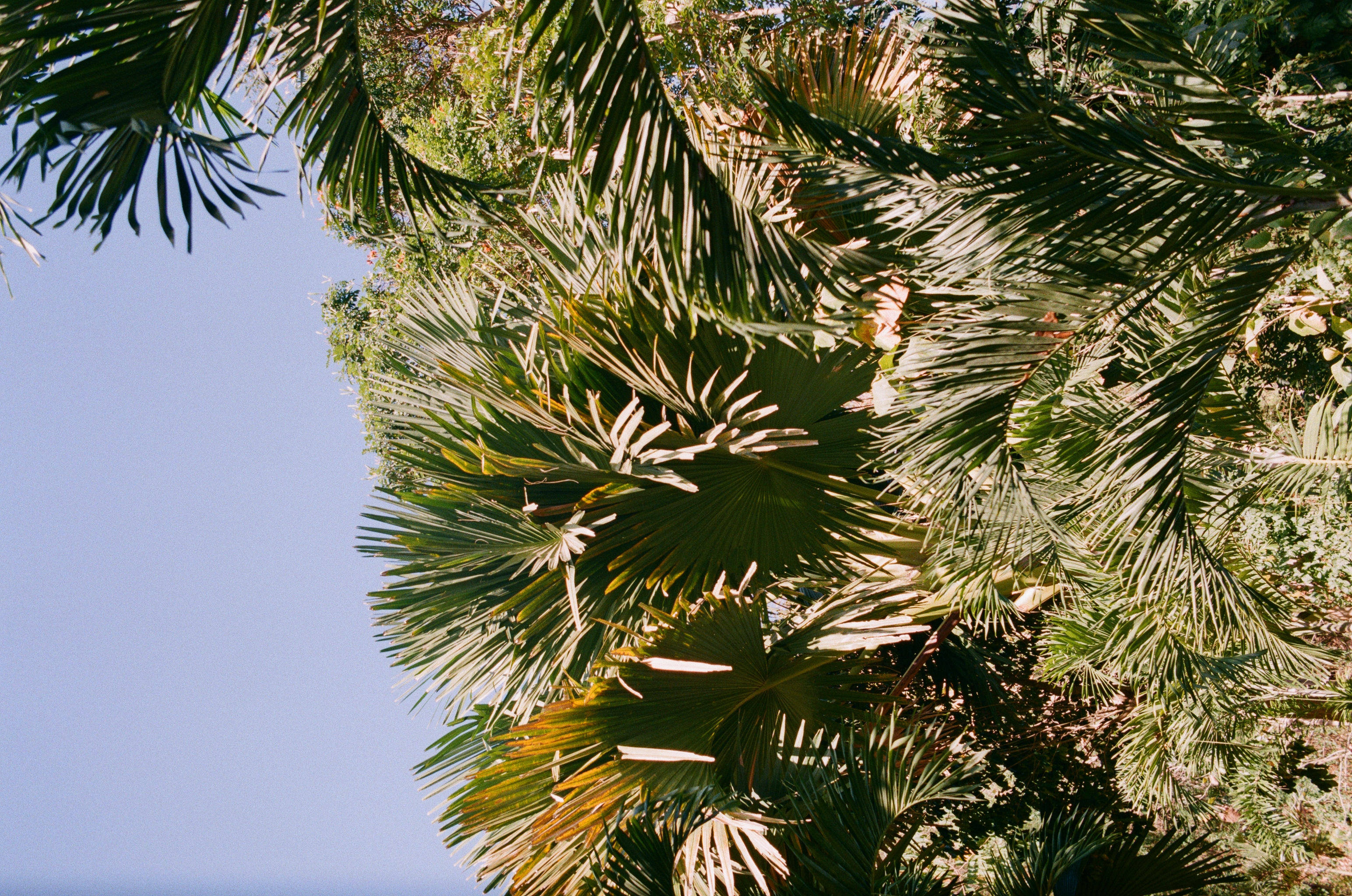

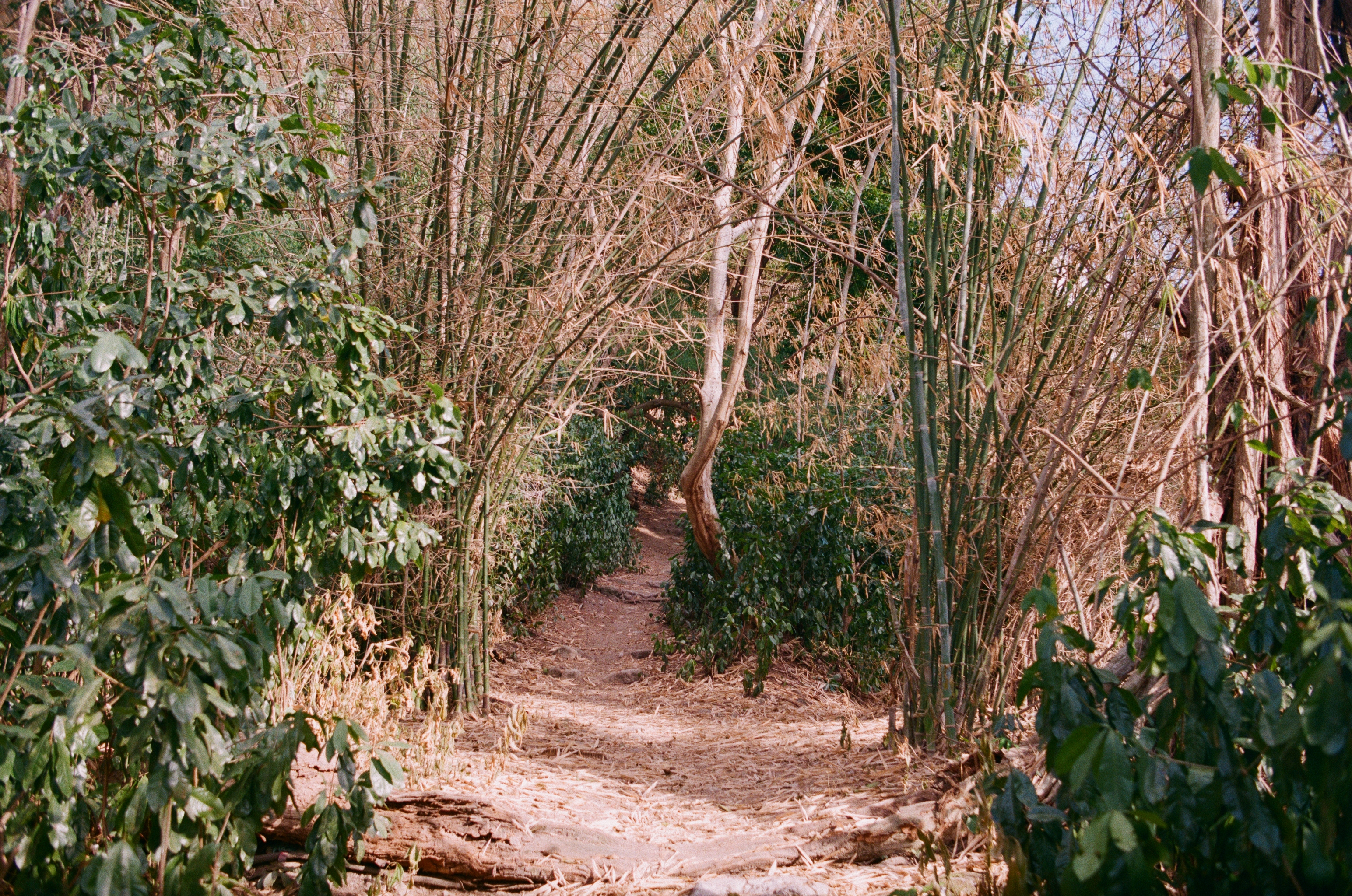


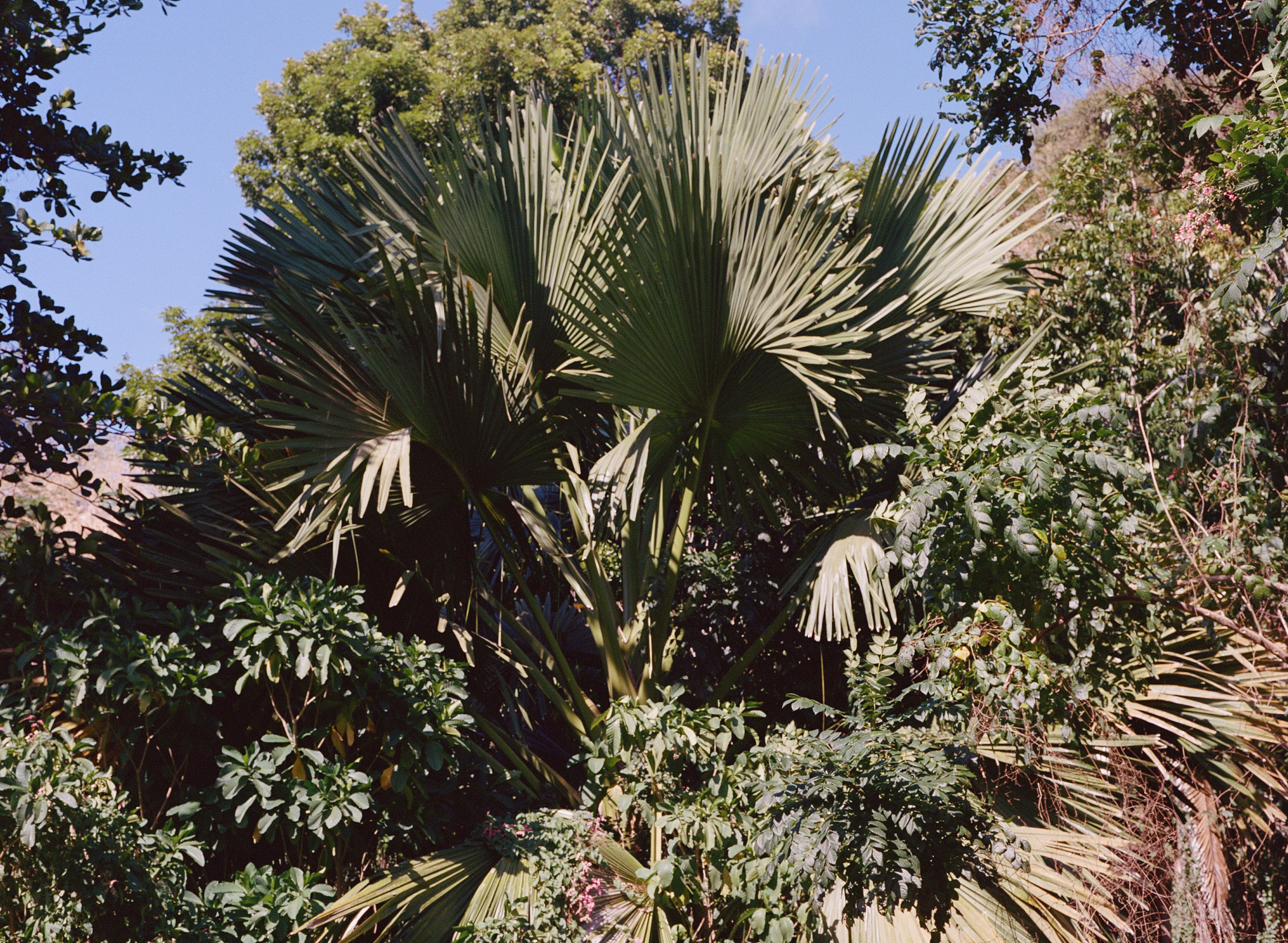




I made this series of field recordings, which I then mixed and mastered into a soundscapes mixtape as a means of attending to the natural and manmade sounds and ambience that score everyday life on the nature isle of the Caribbean: Waitukubli/Dominica. Having visited Dominica intermittently for a practice-based, geographic project [entitled Black Geographies of Kings Hill], I’ve been building up a small archive of audio-visual materials comprised by photographs, film footage, field recordings and handwritten observations and reflections.
Press play below to listen to the mixtape. Throughout it you will hear the sounds of many mornings, afternoons and nights spent in and around Kings hill [a neighbourhood located just outside of the island’s capital Roseau], you will also be able to listen to dialogues I had with interlocutors on the island, birdsongs, conch shell calls, the ever present roosters, nyabinghi drums, bubbling sulphur lakes, the ebbs and flow of sea waves lapping meeting the shore and so much more. Please do enjoy, share with others who may appreciate the natural sounds and mad love for reading listening people.[Press play to listen].
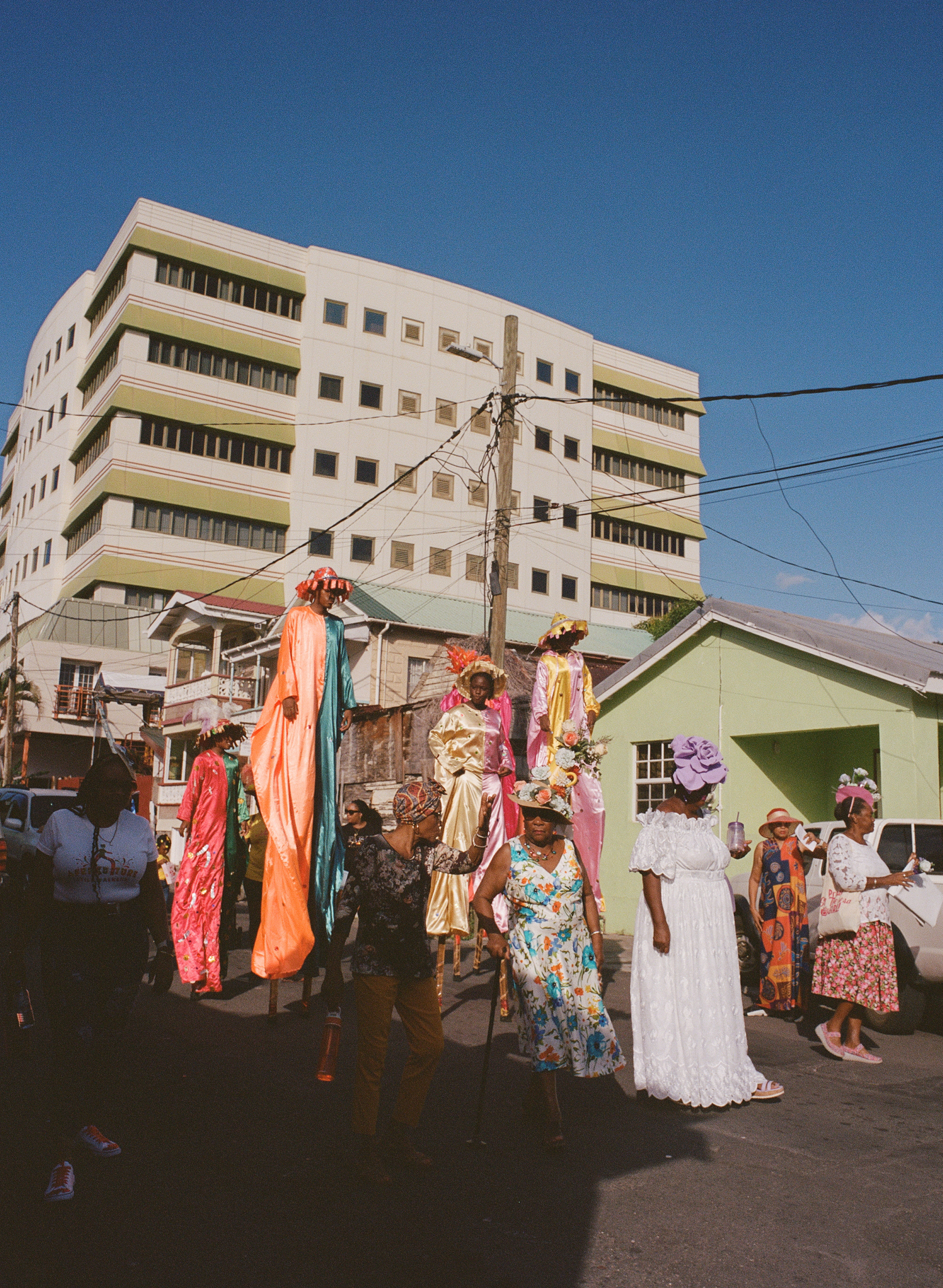
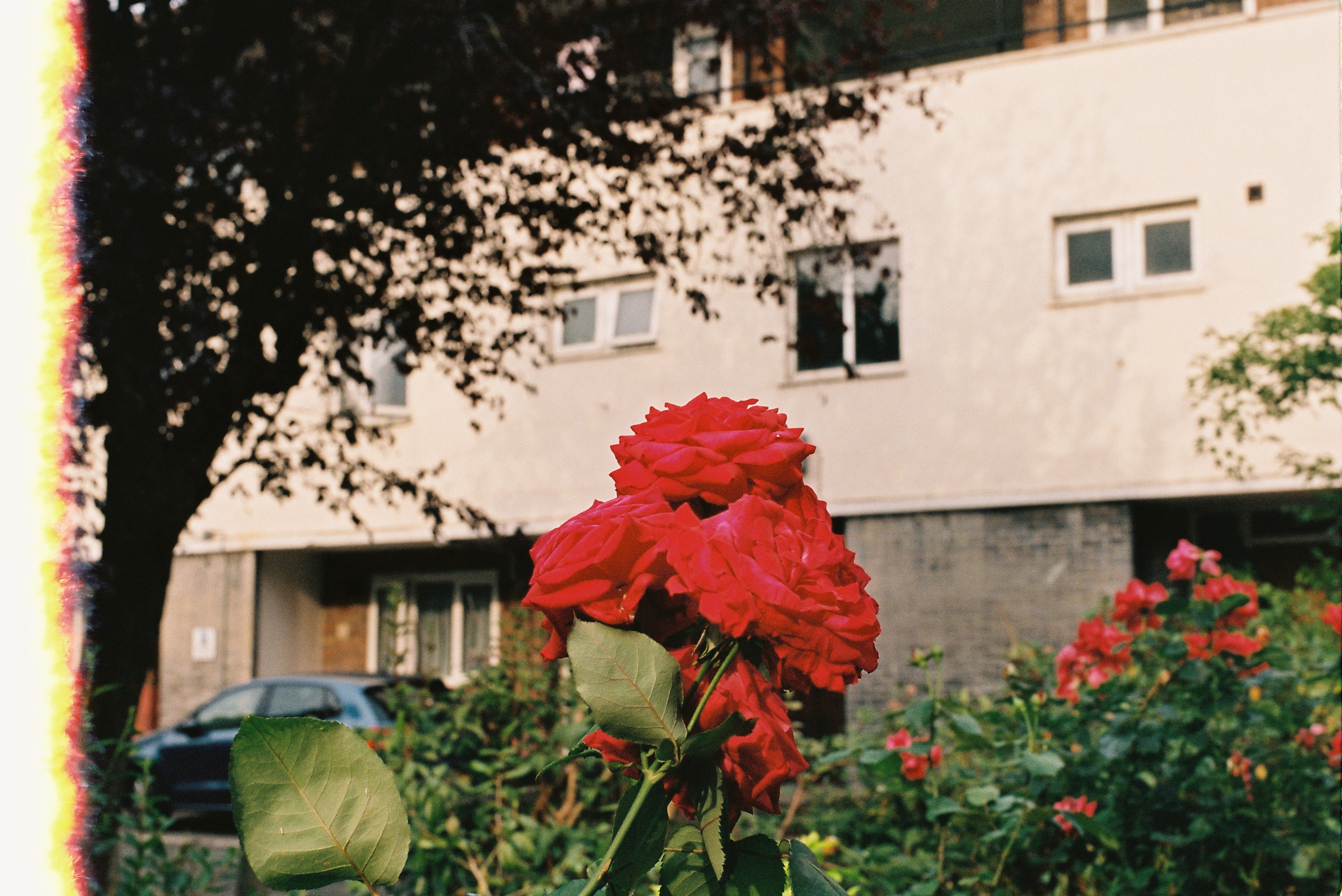
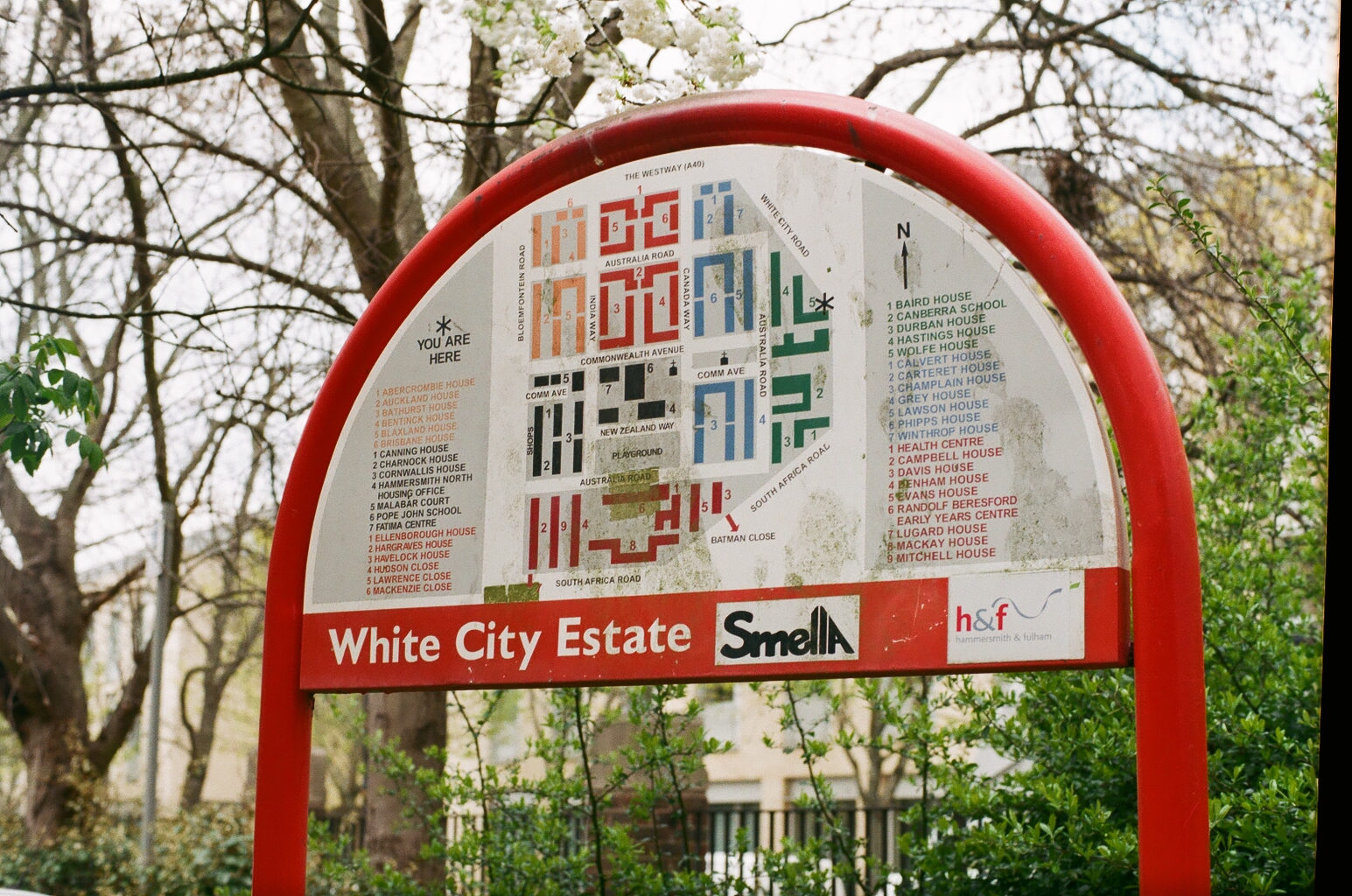
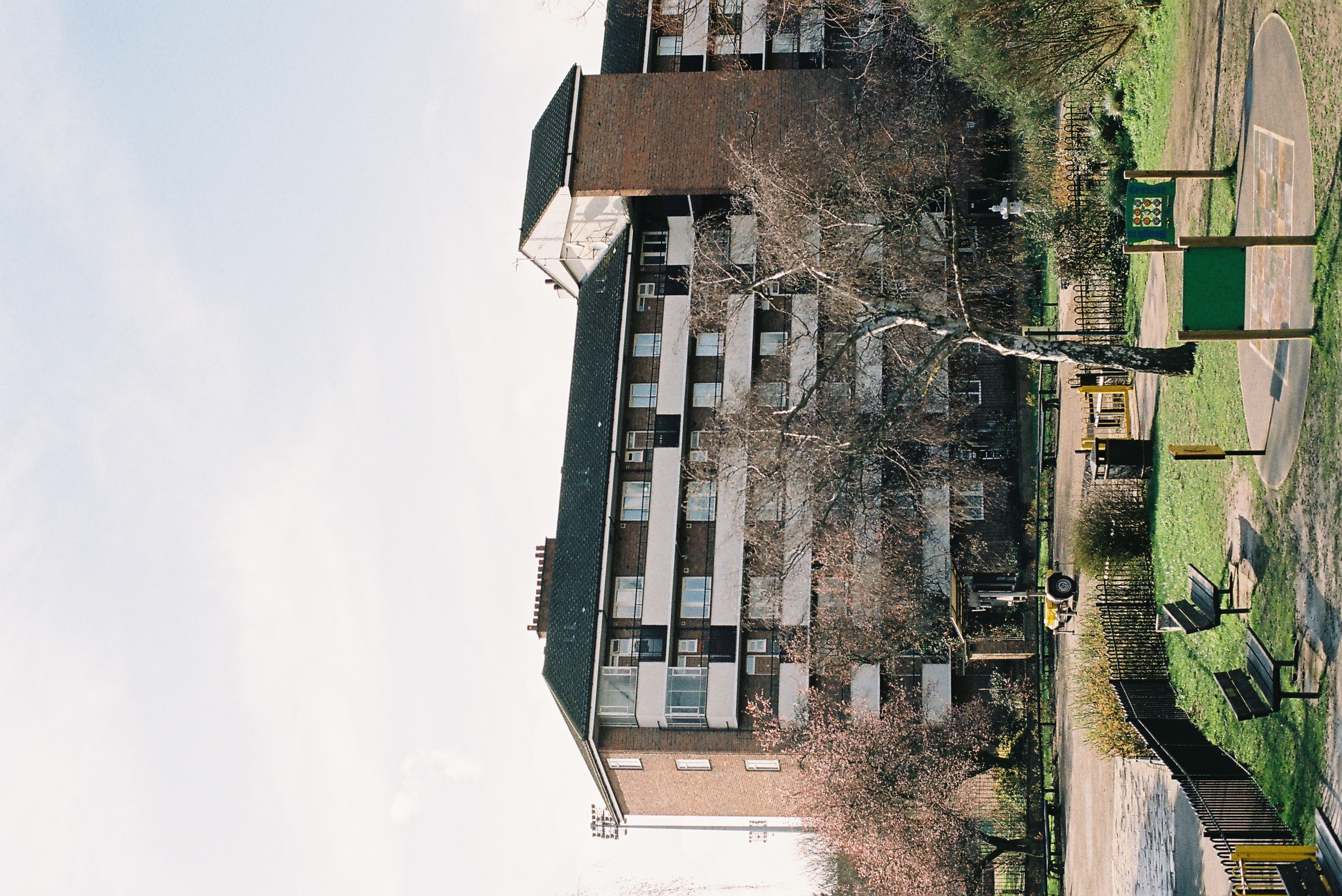
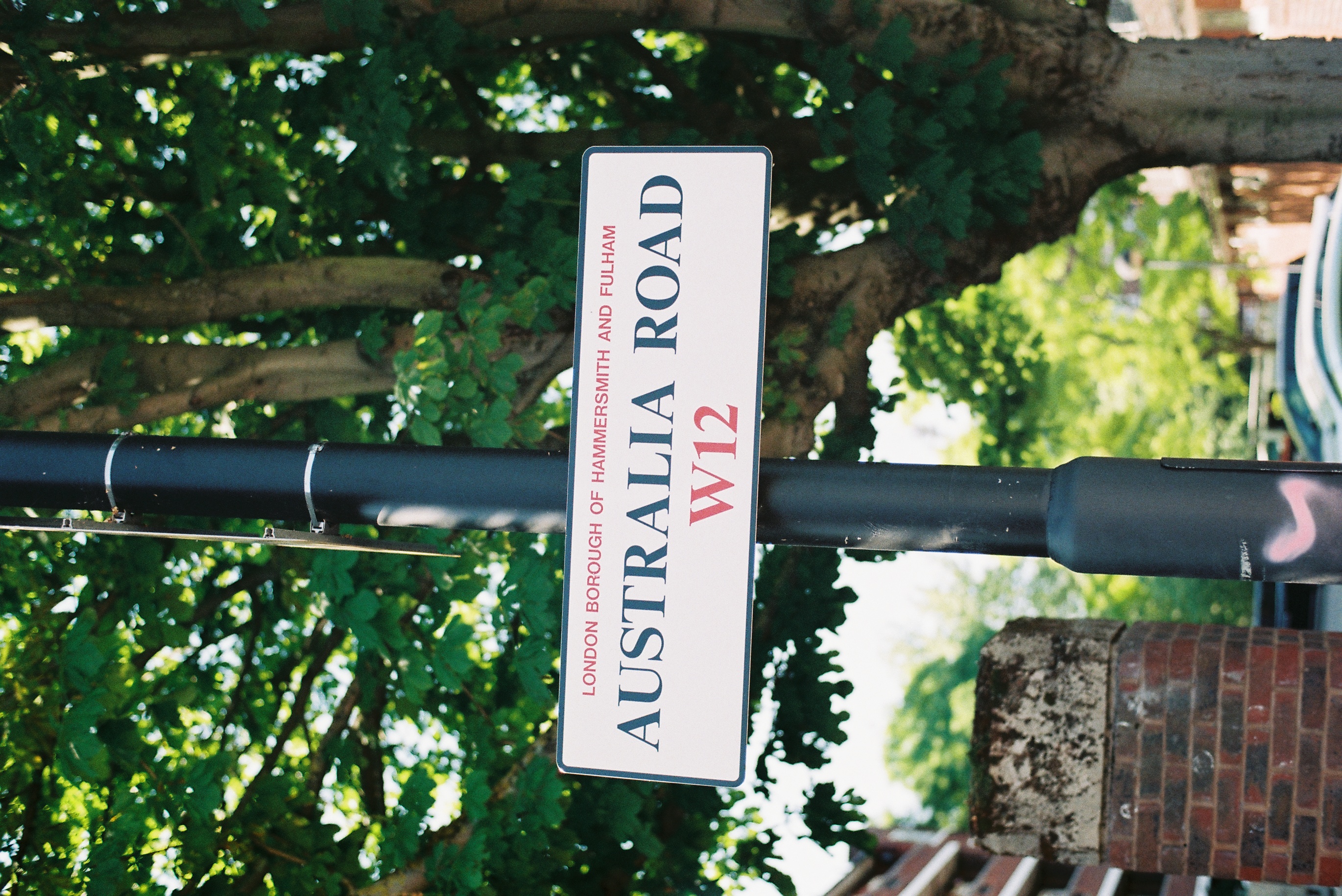
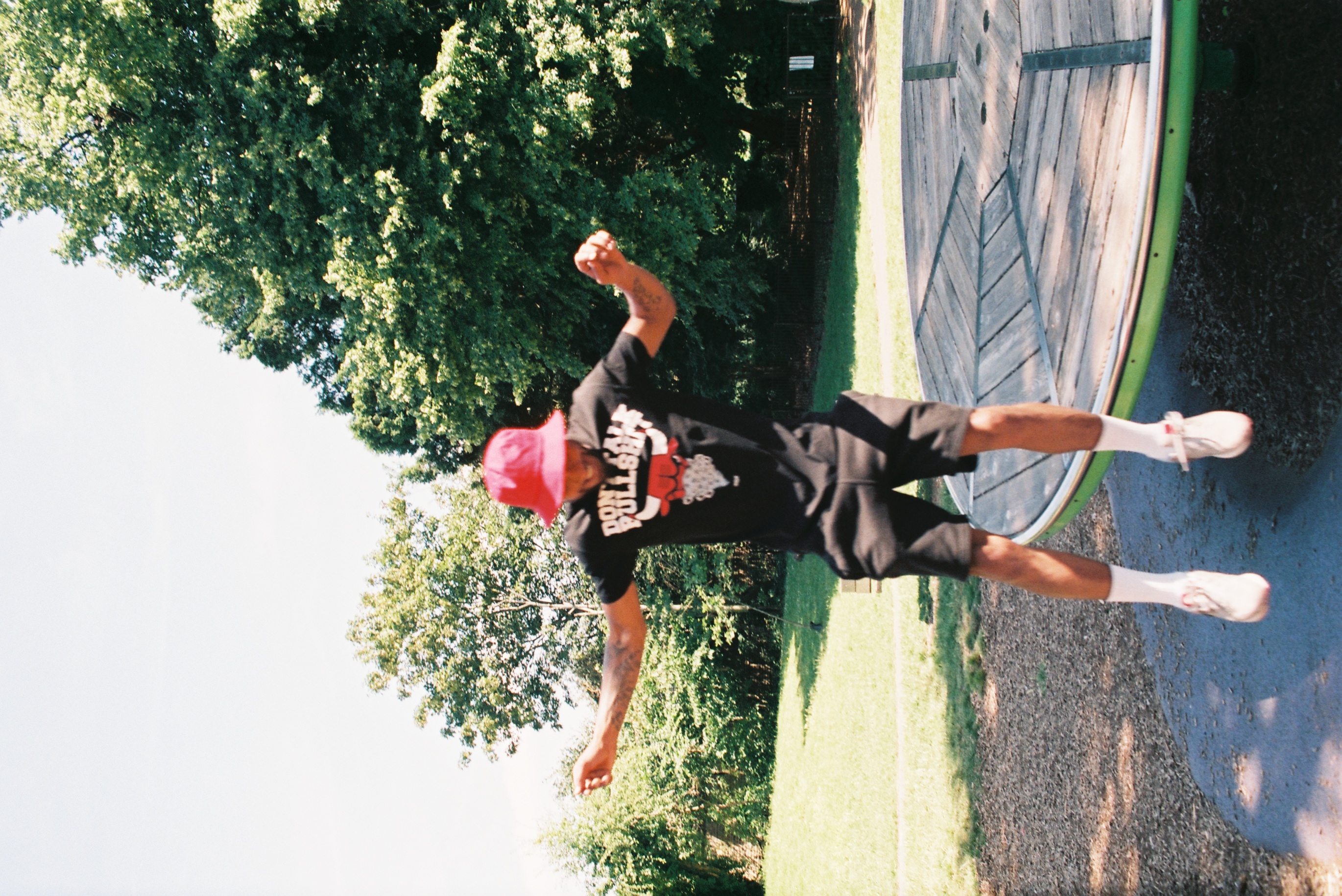
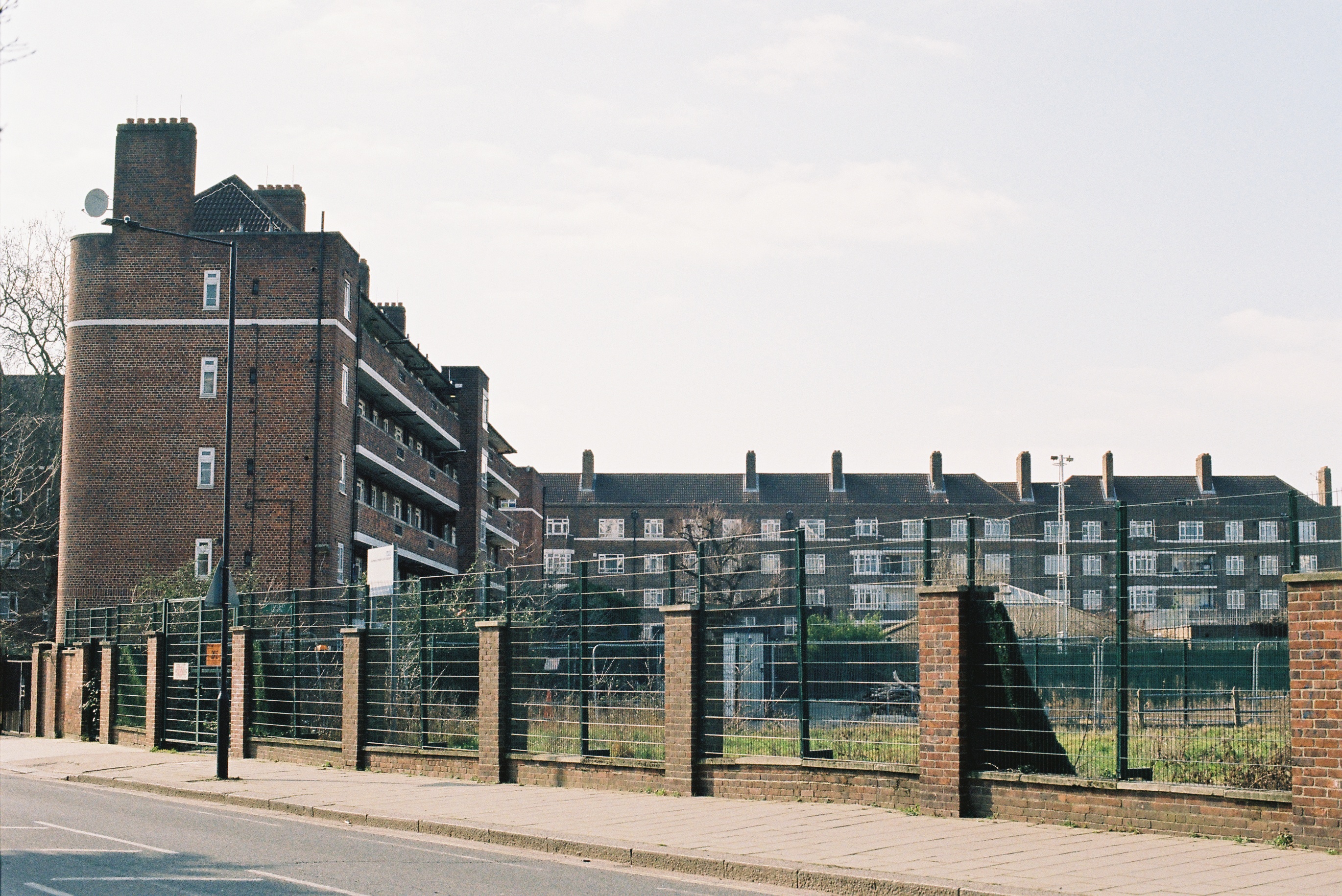
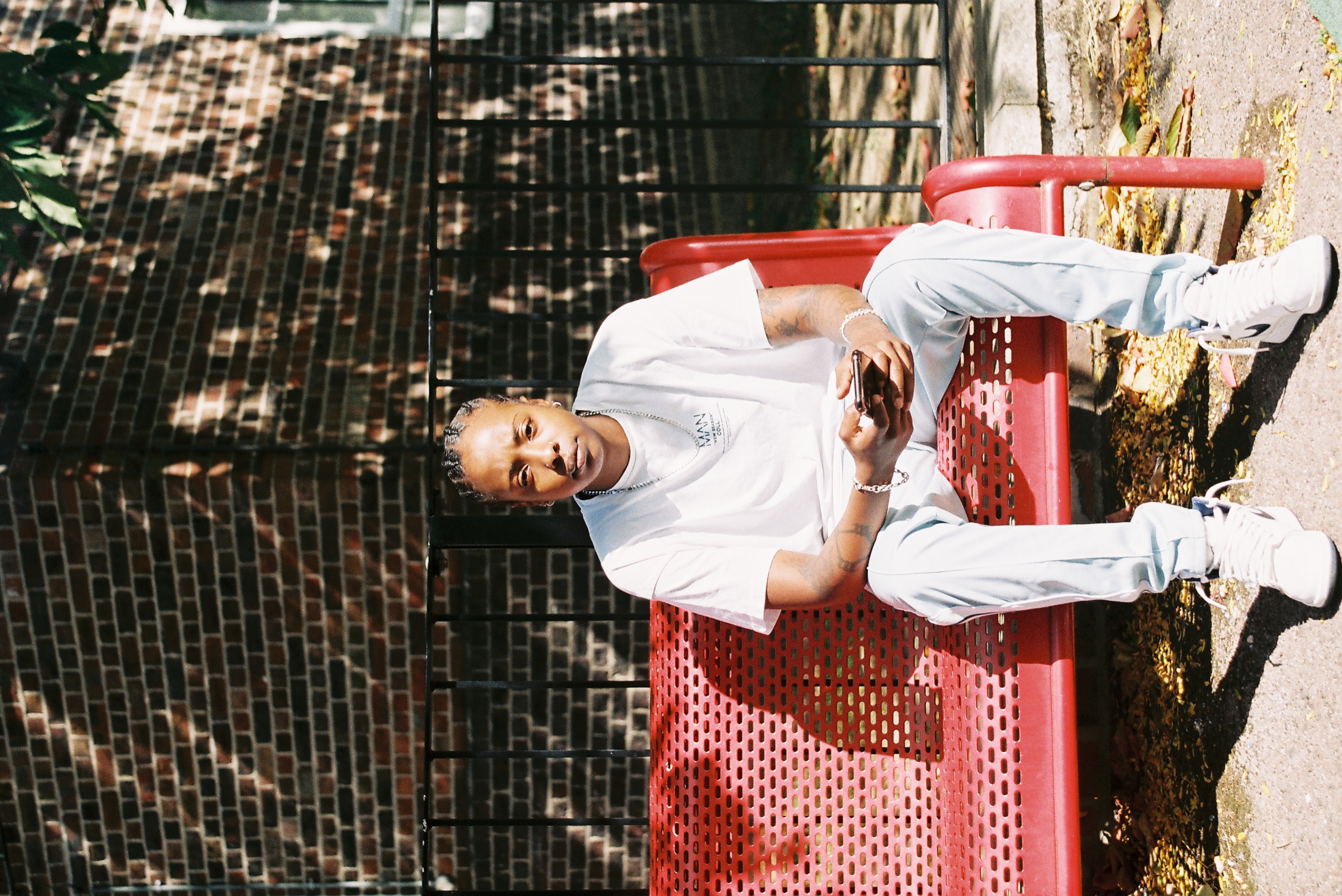
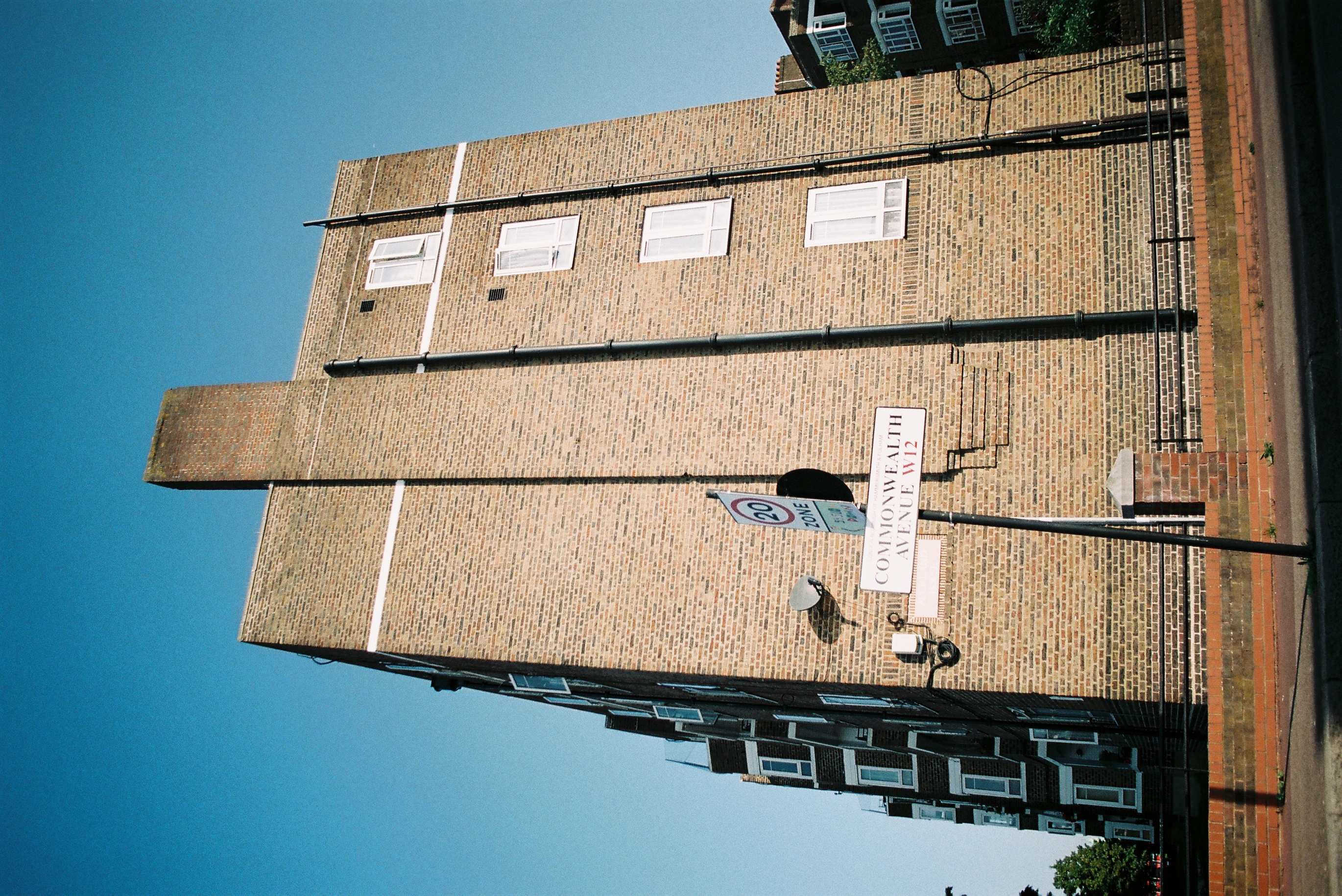
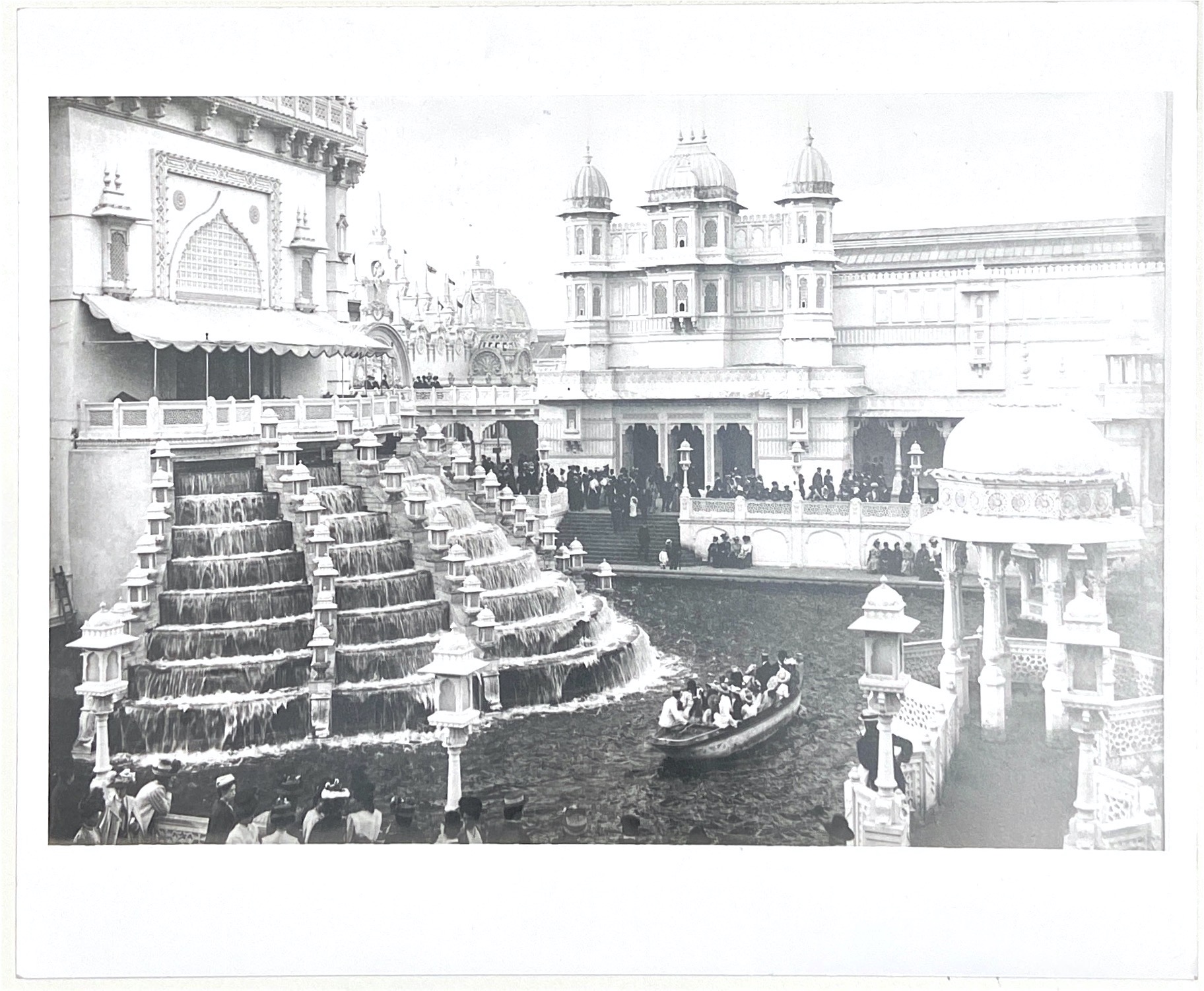
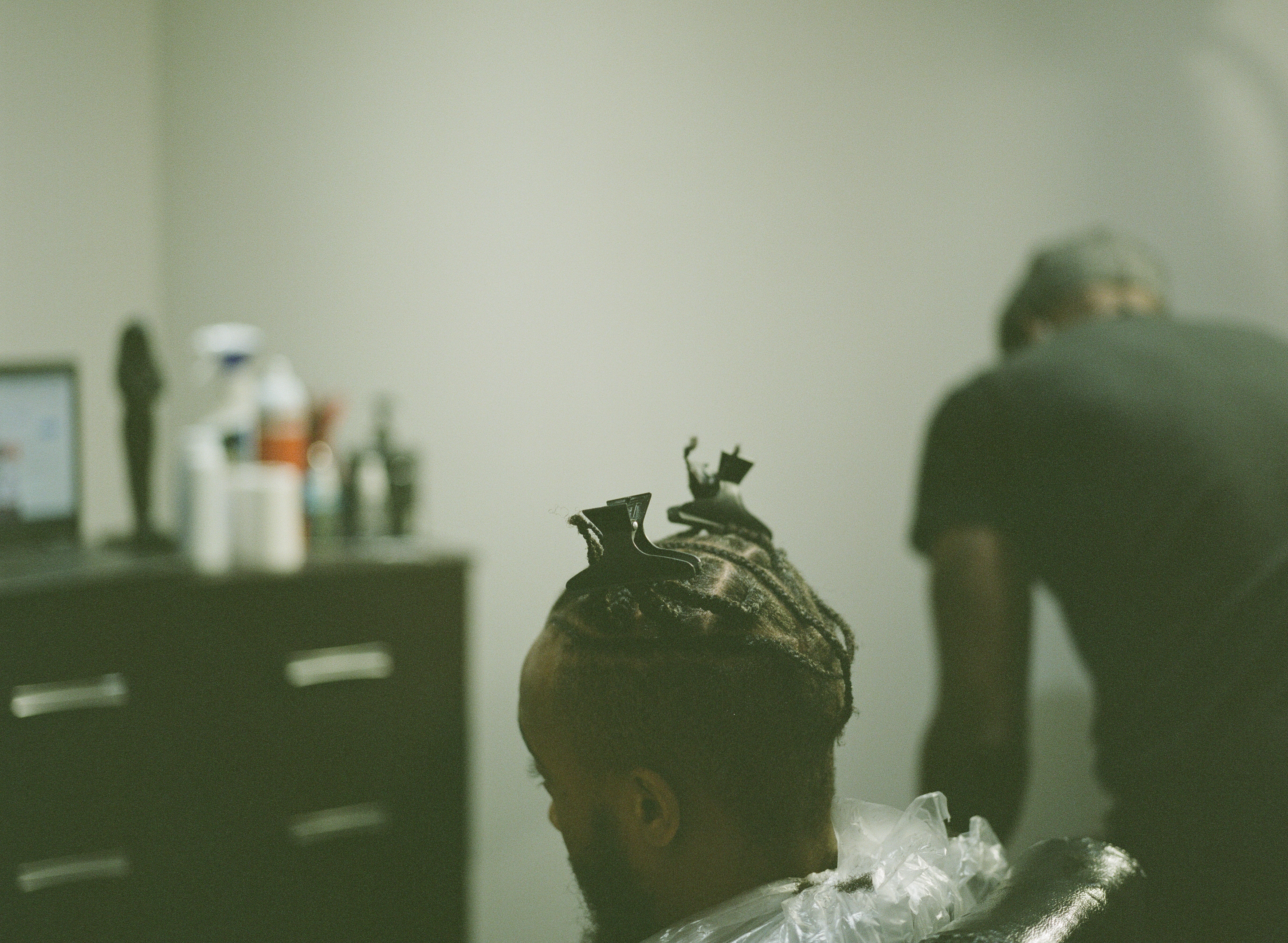
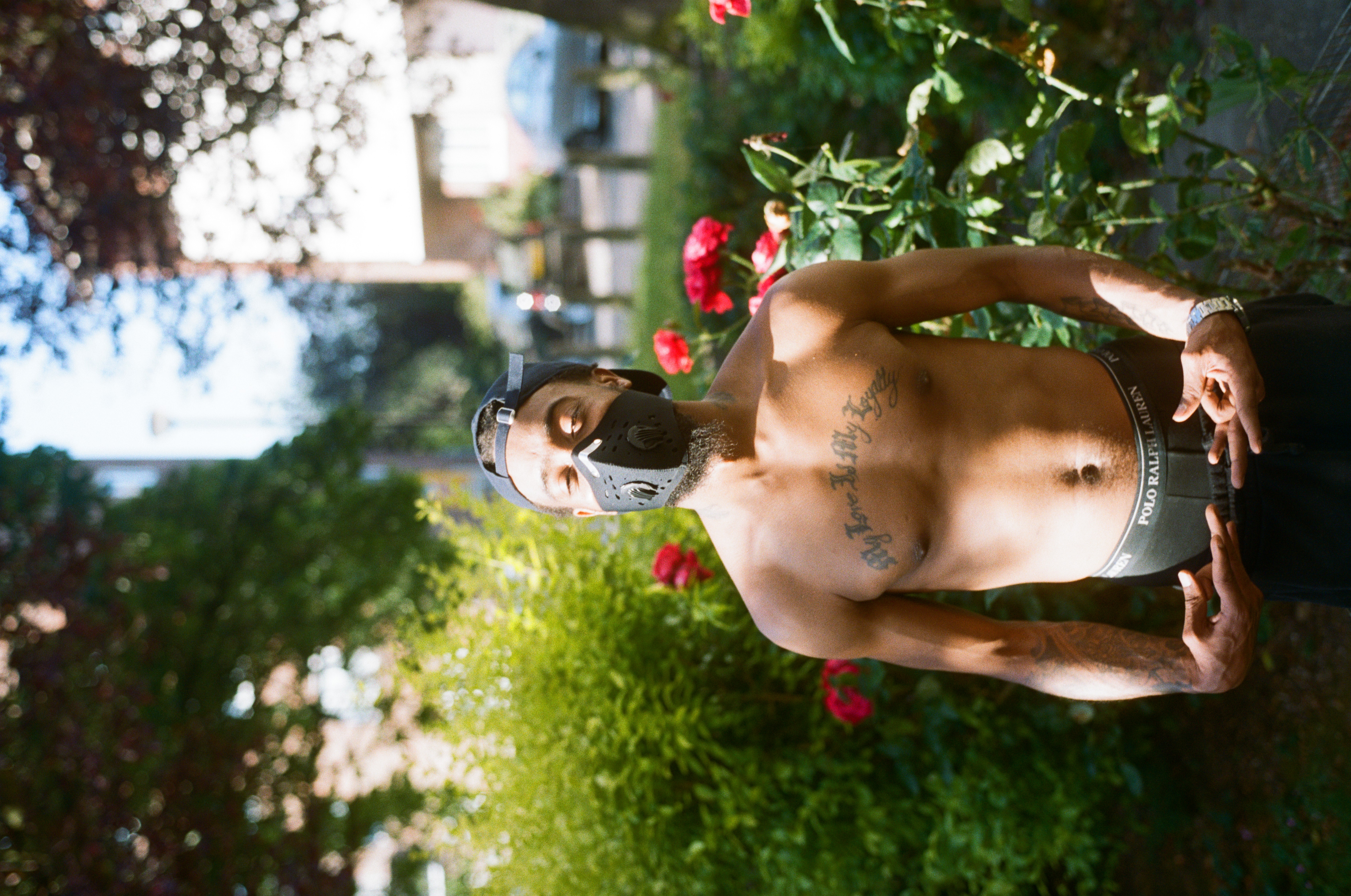
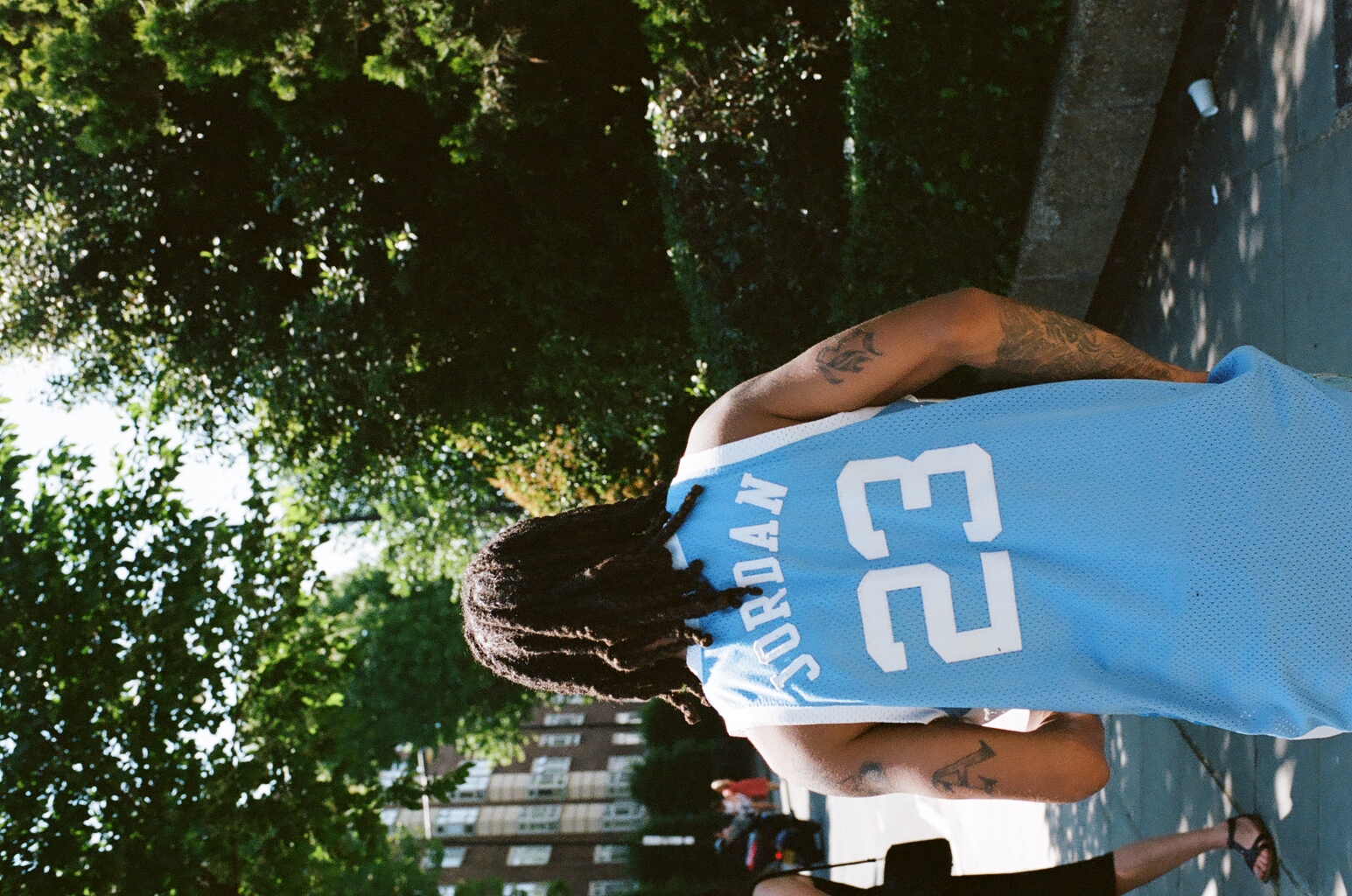
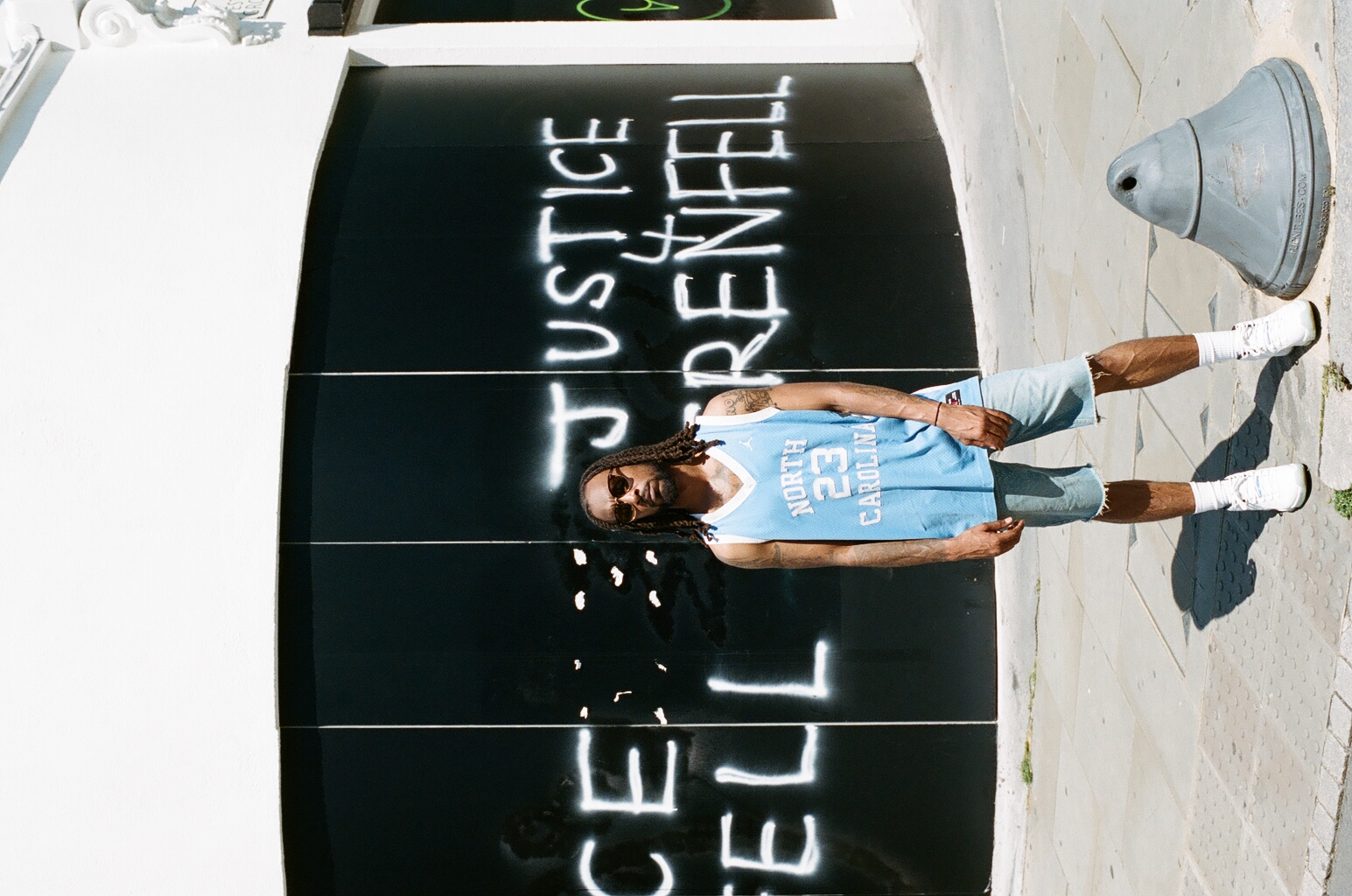
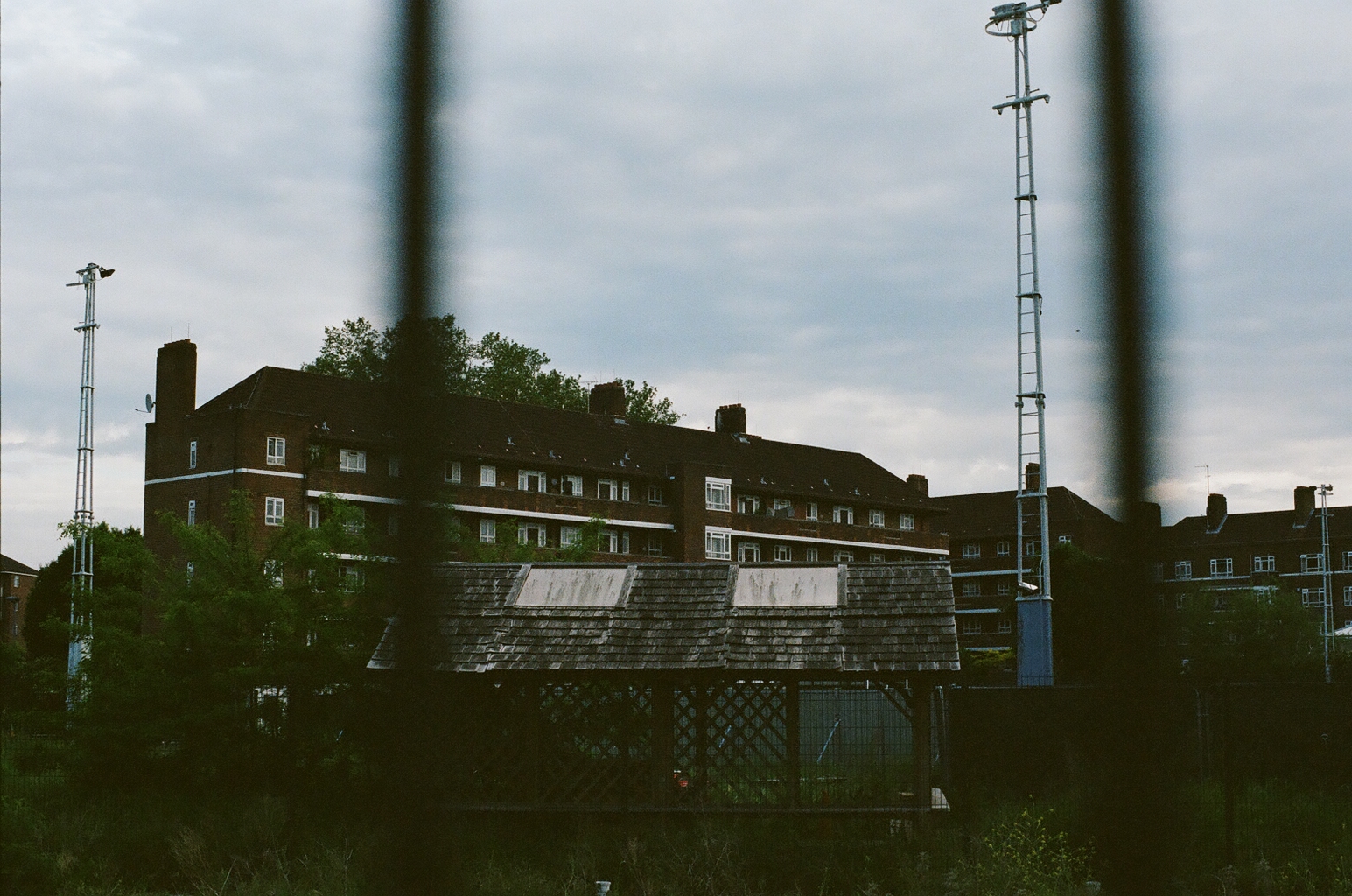
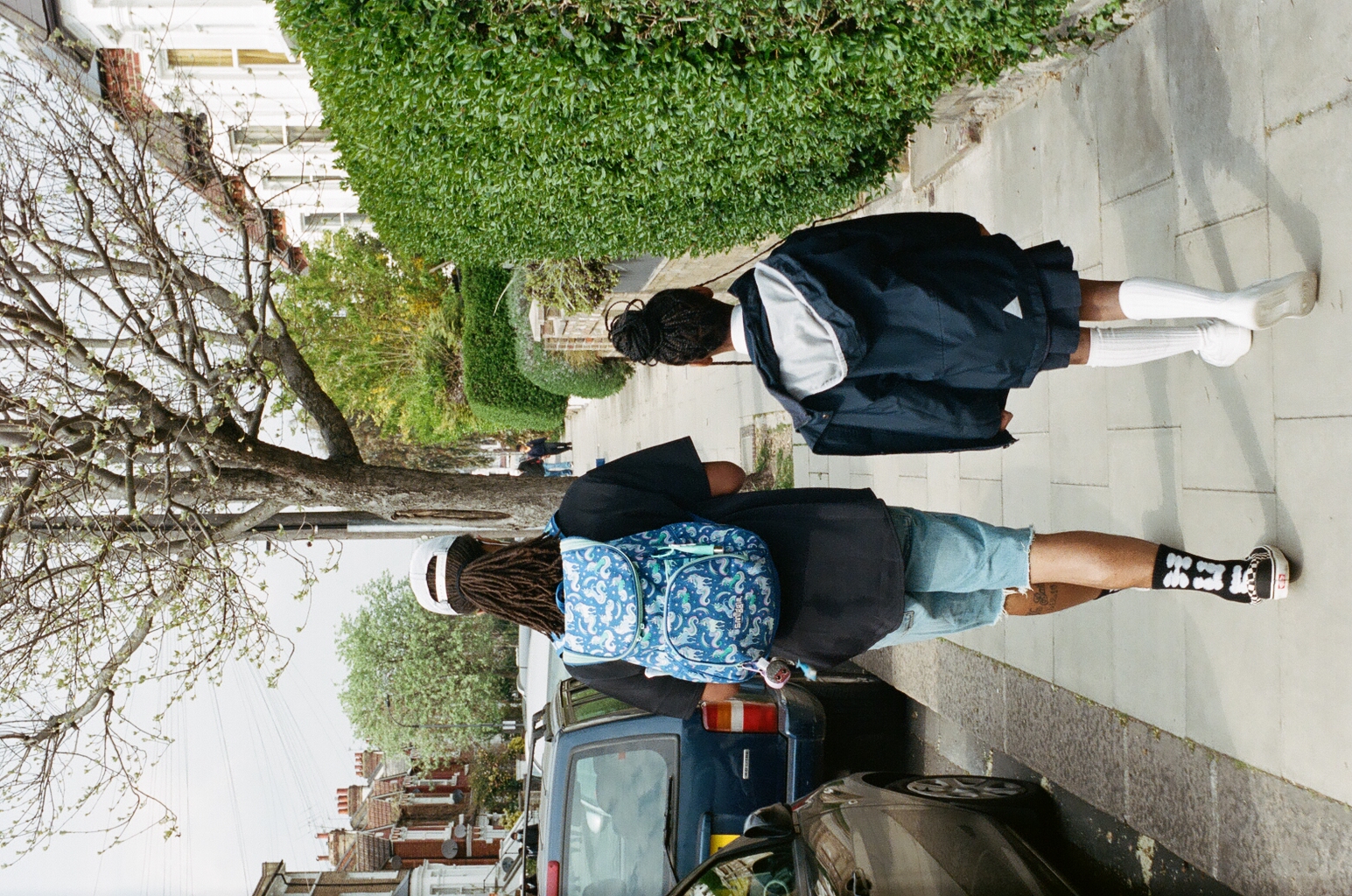
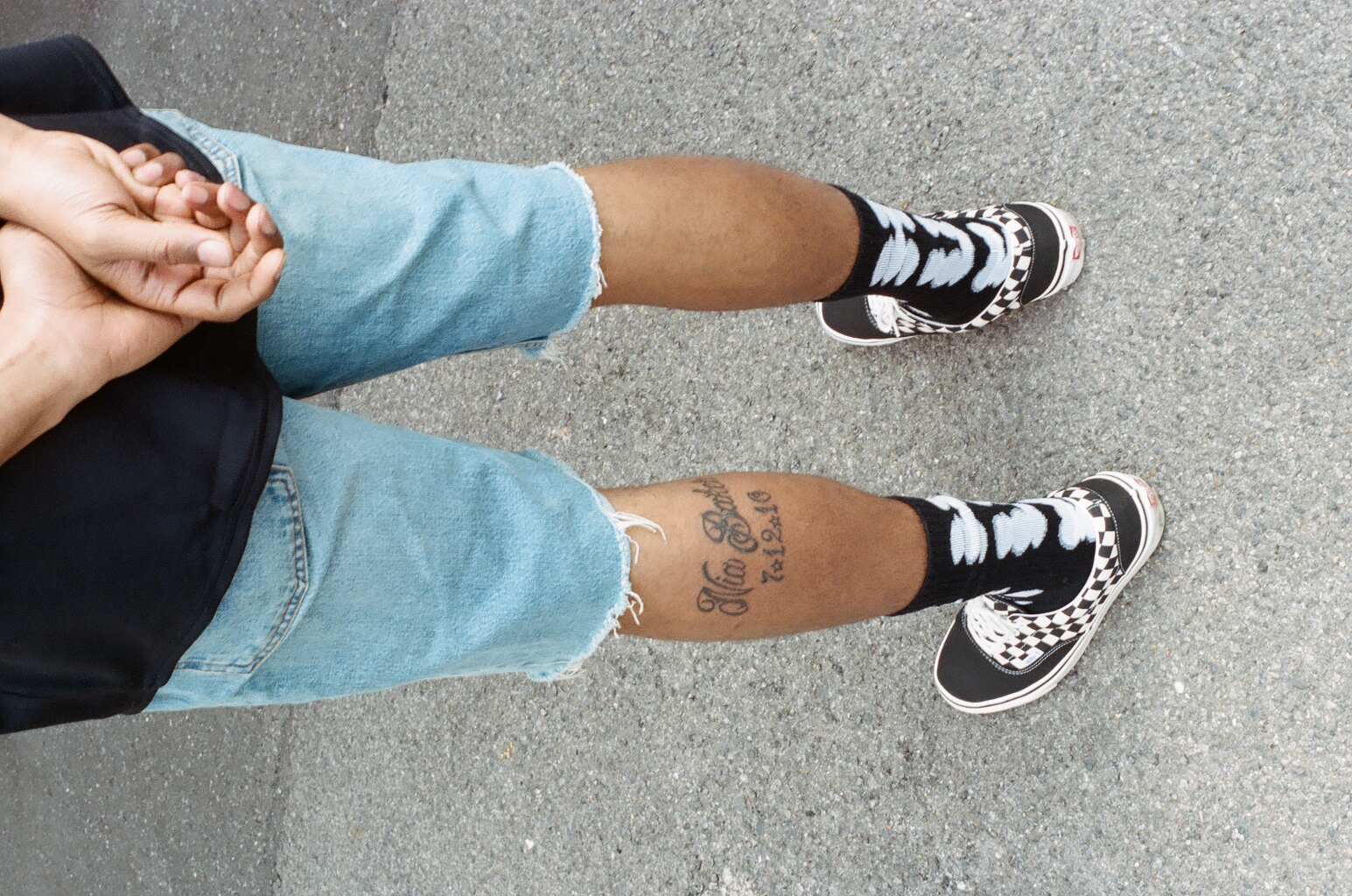
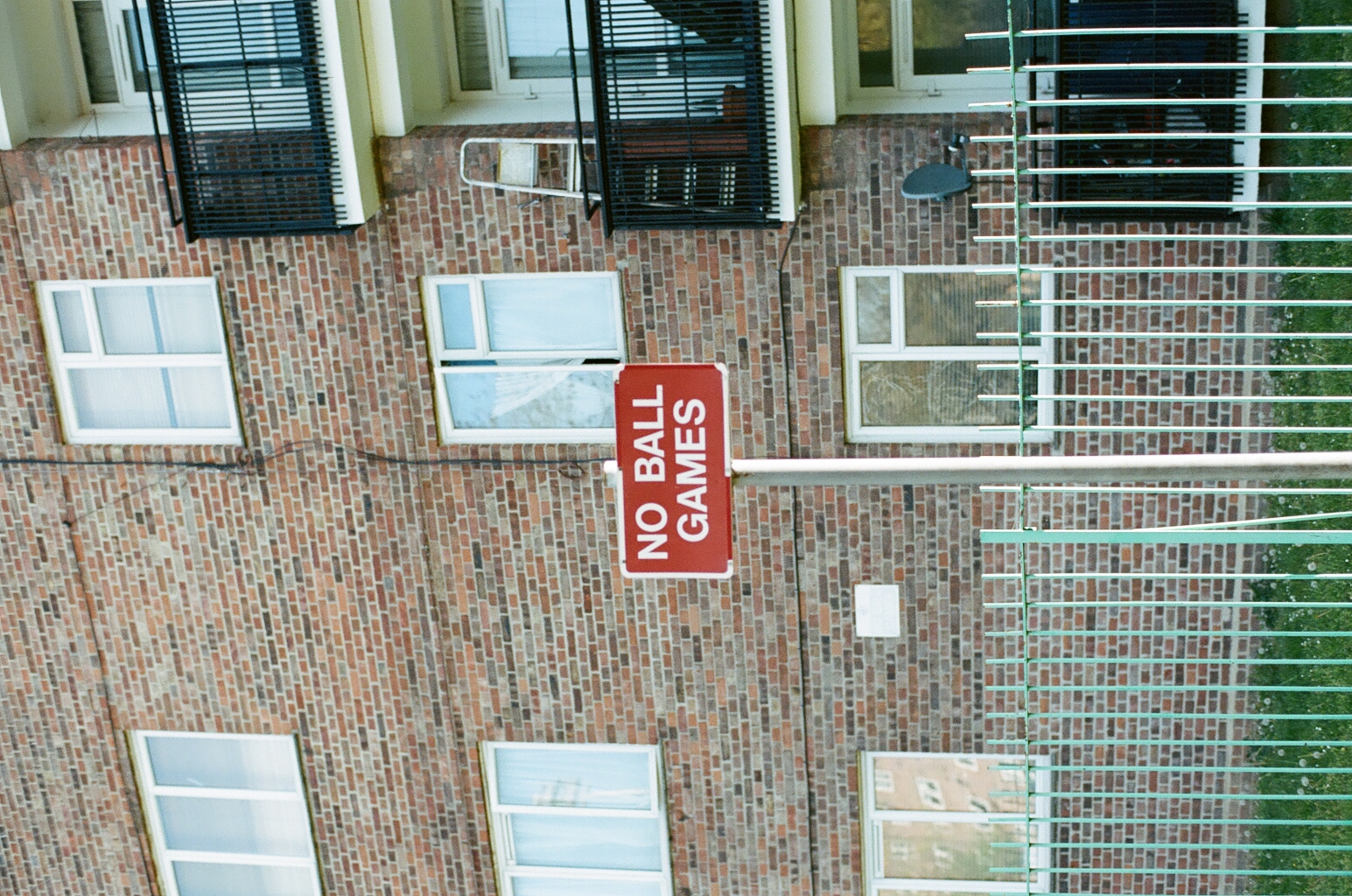
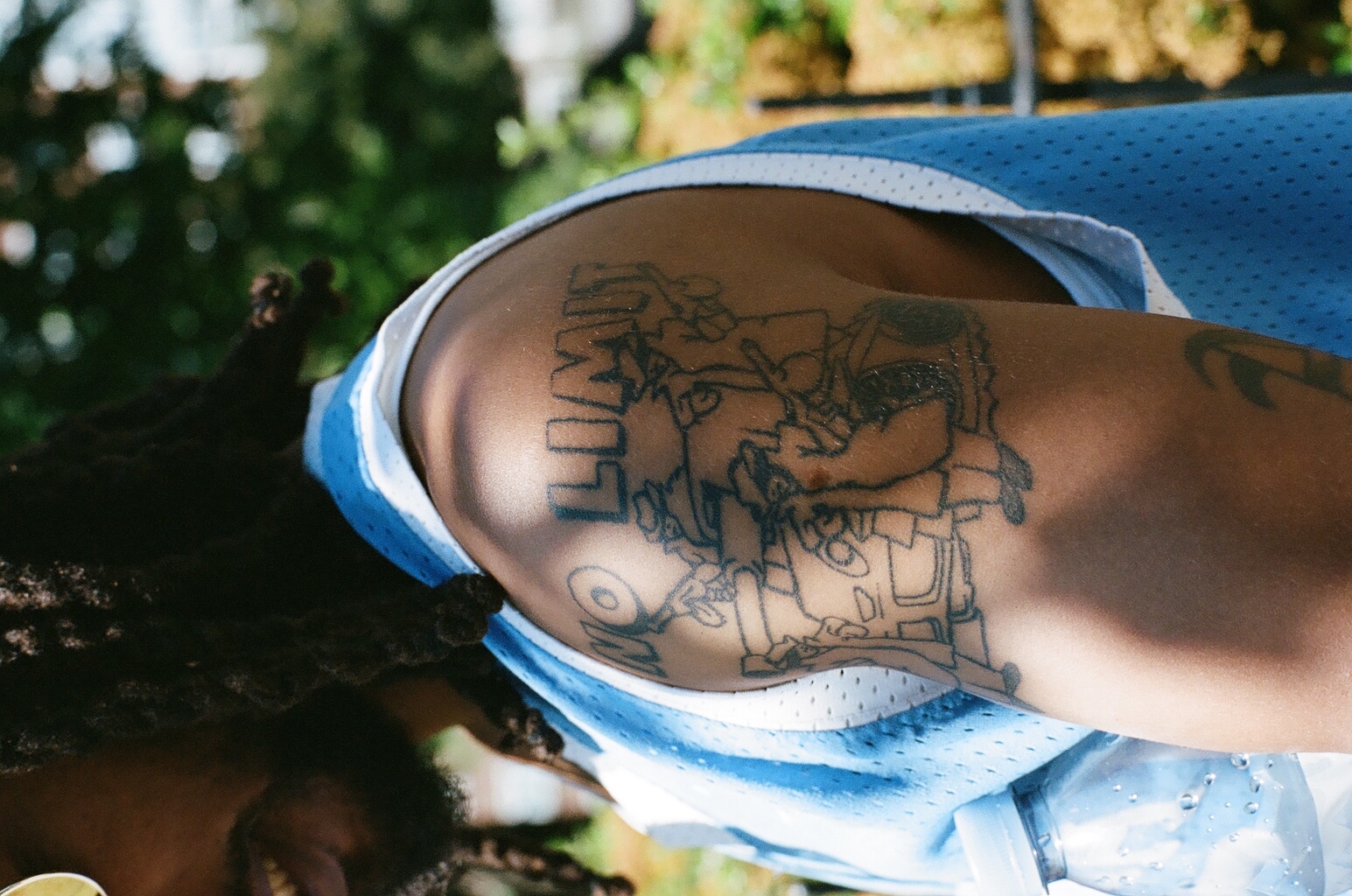
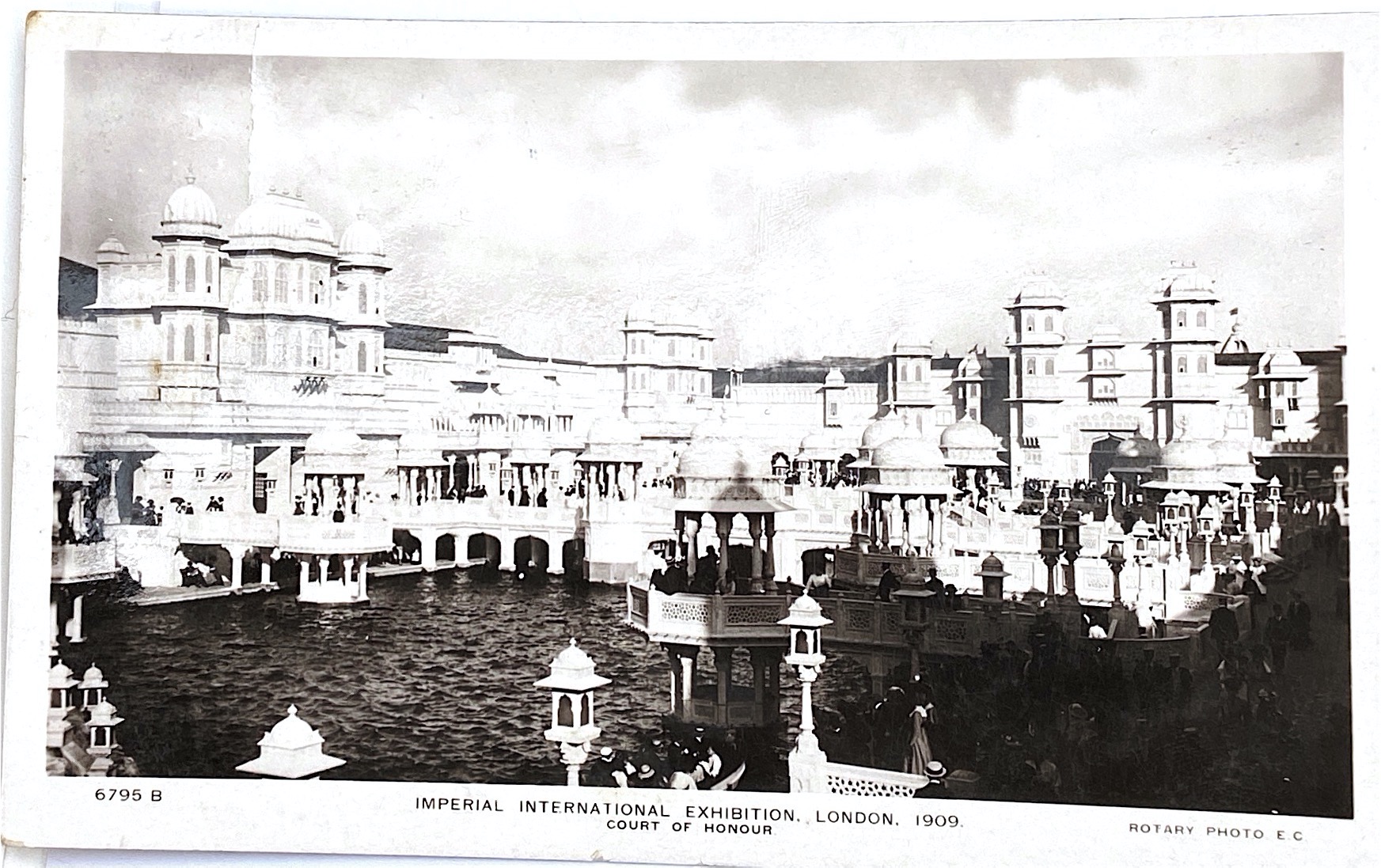
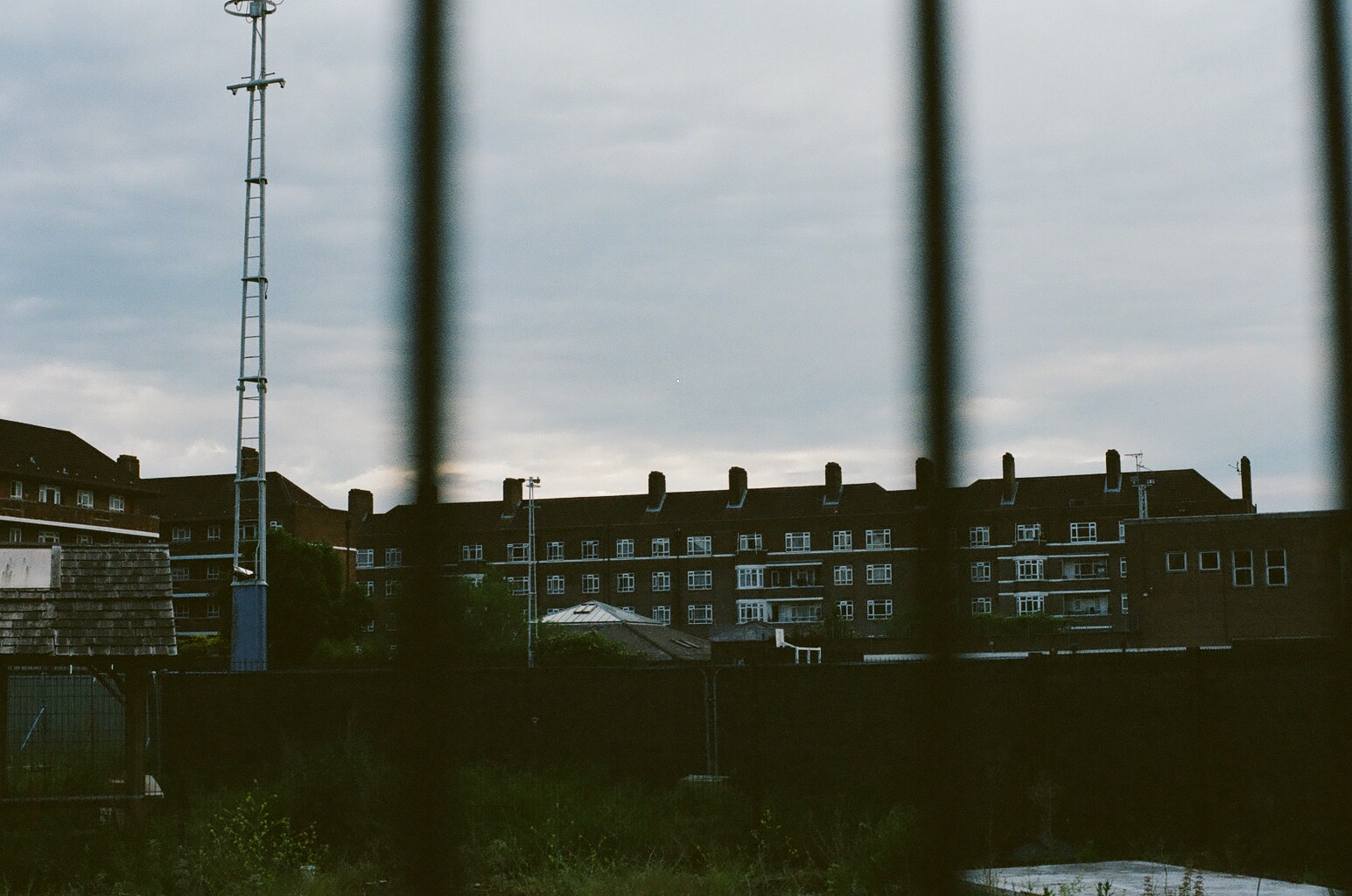
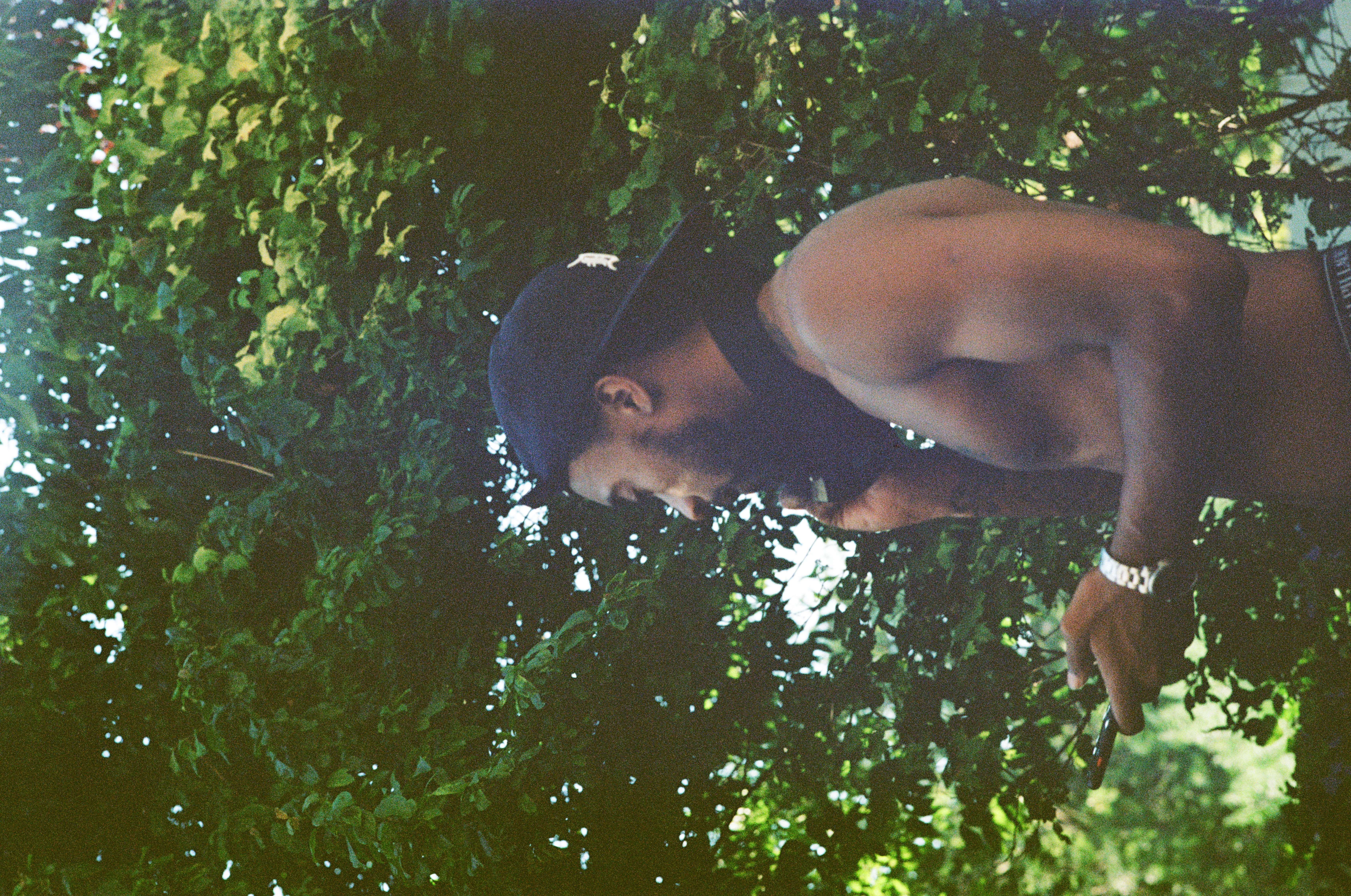
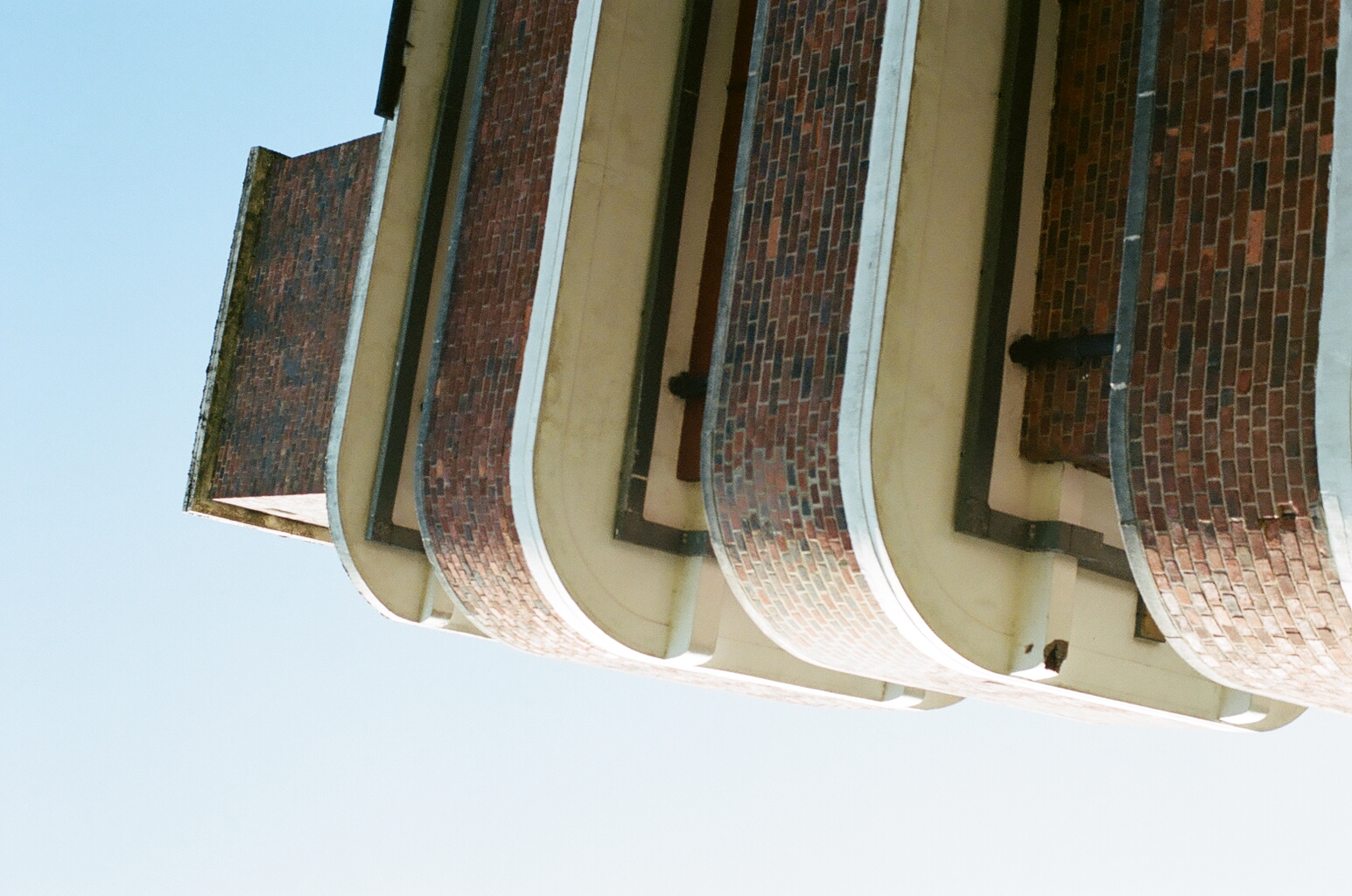
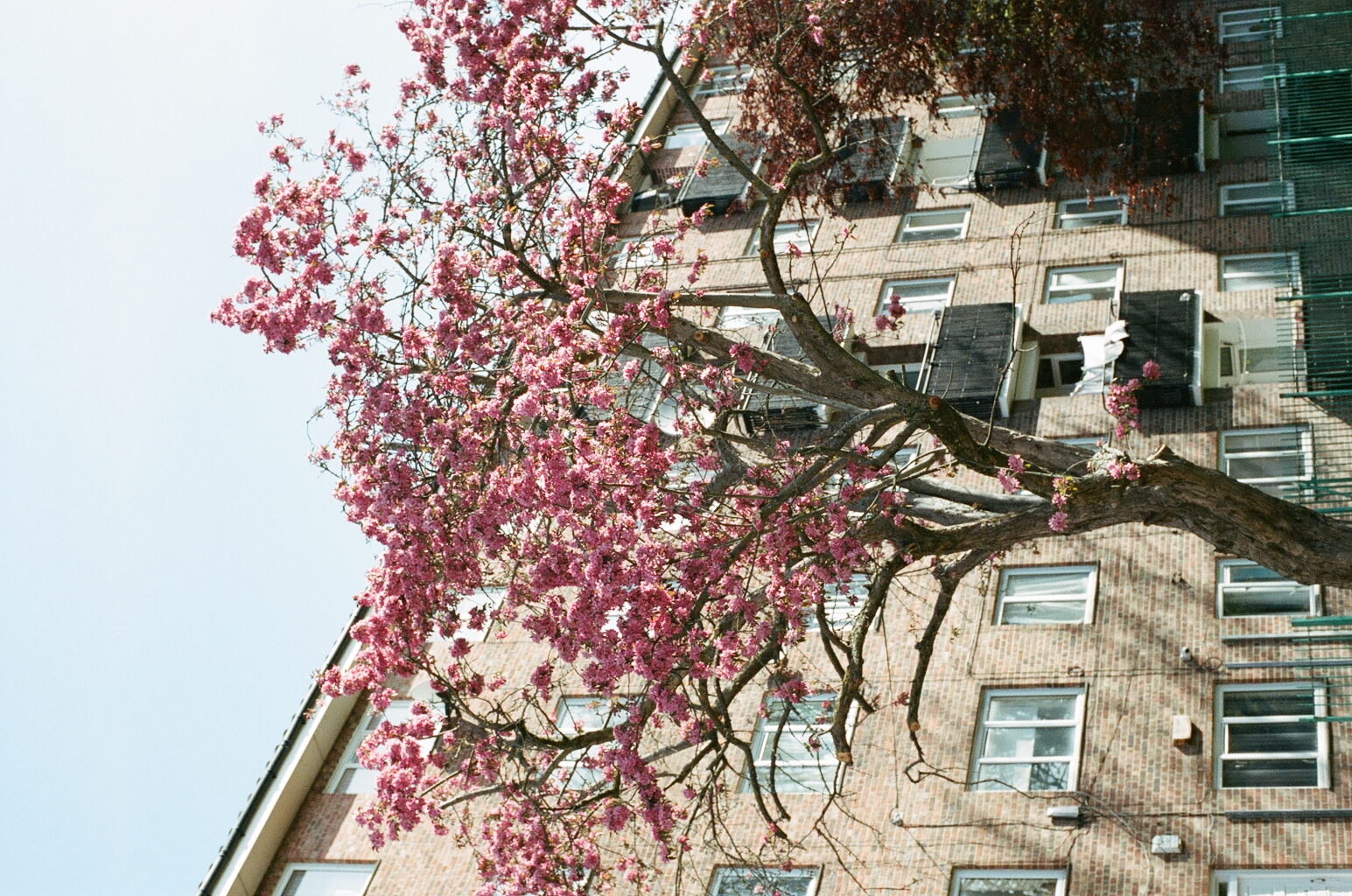
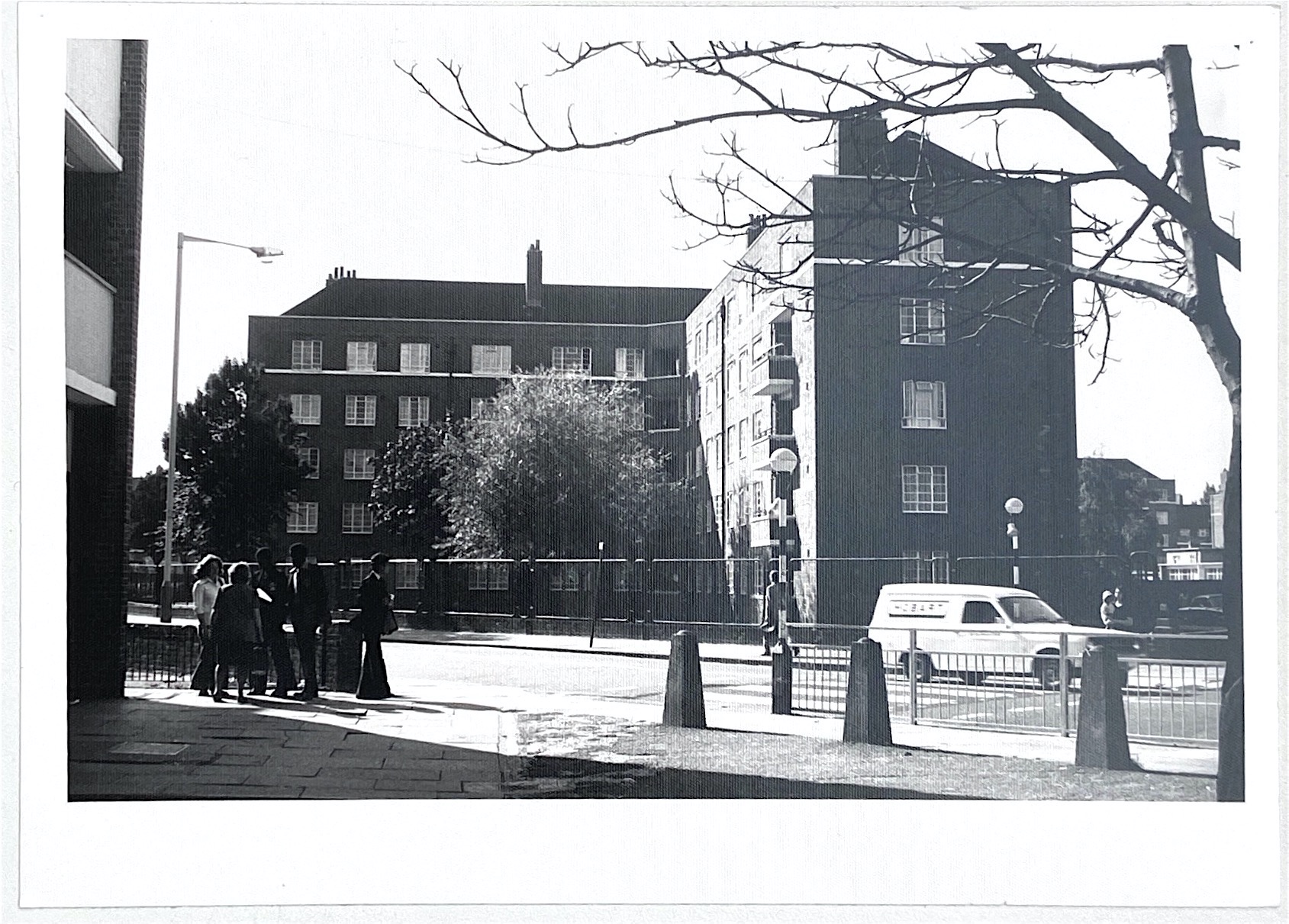
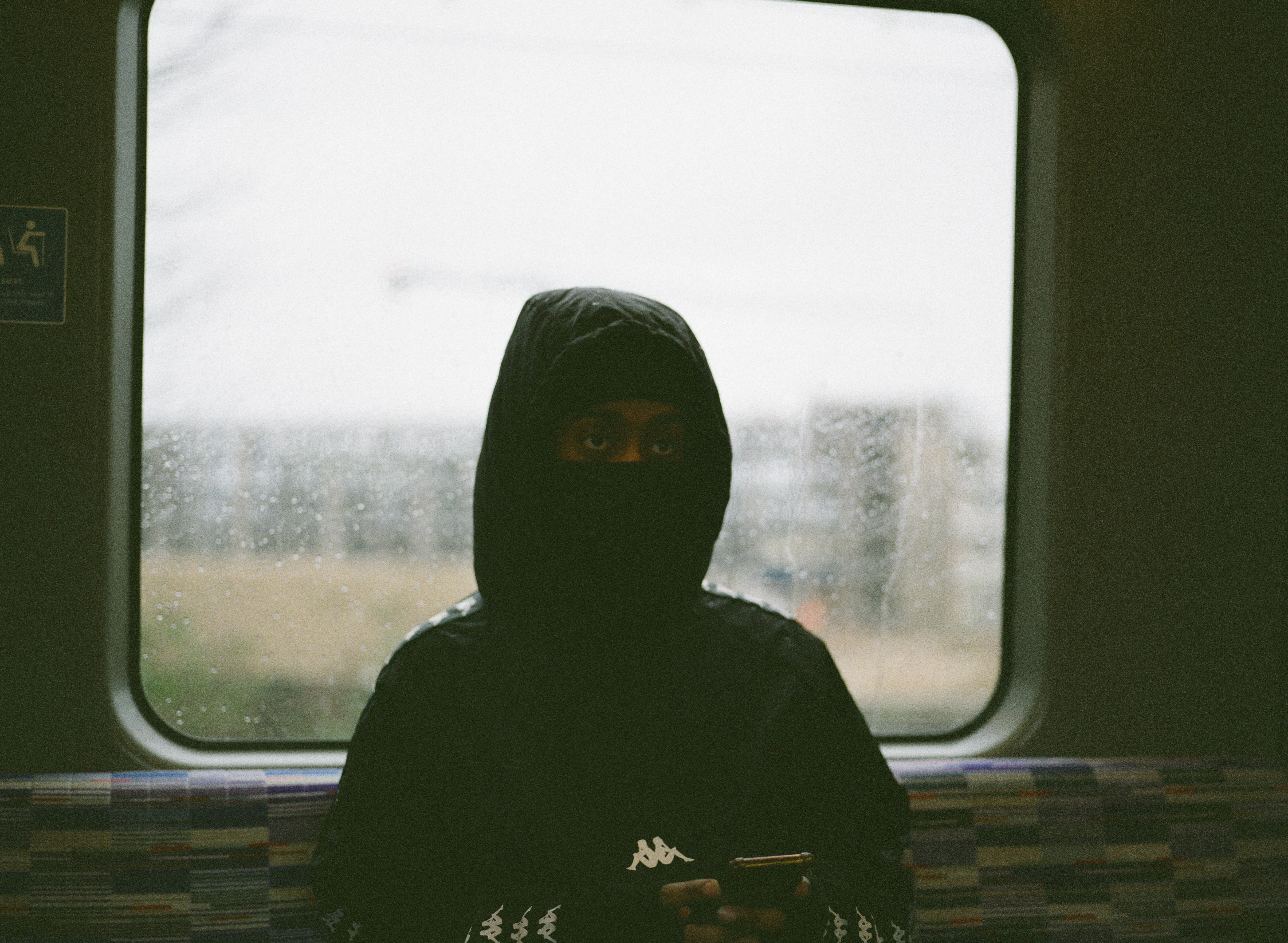
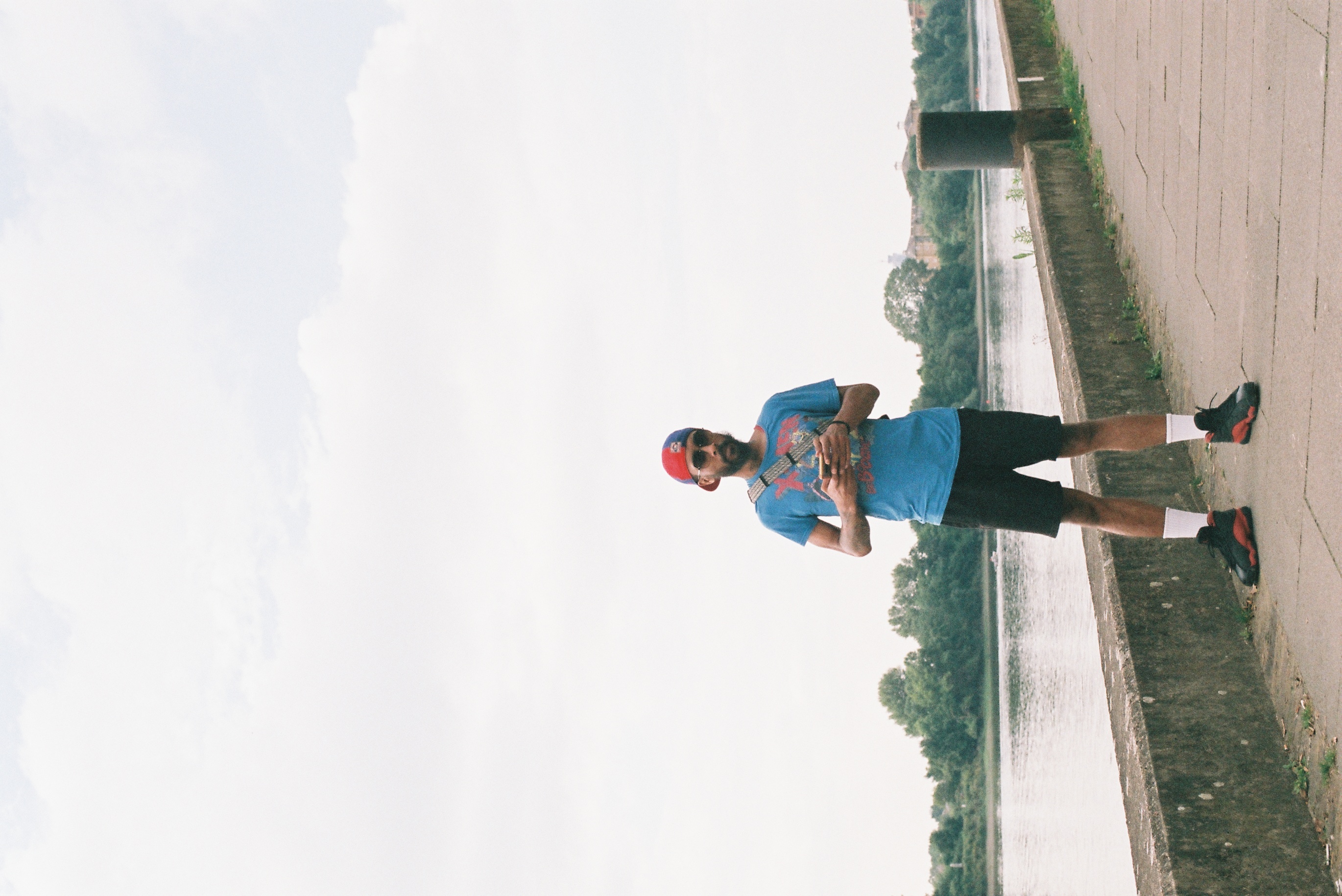
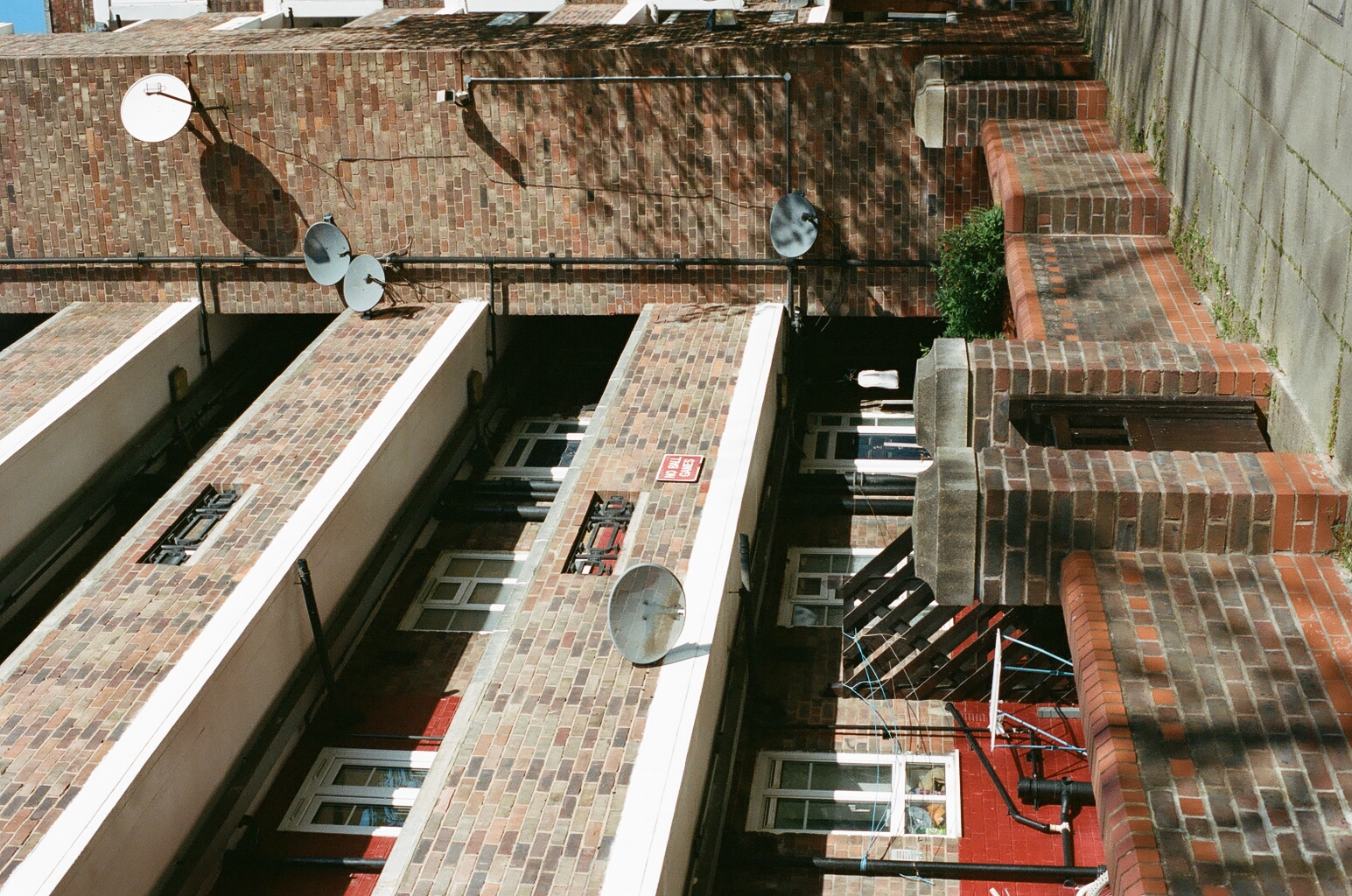
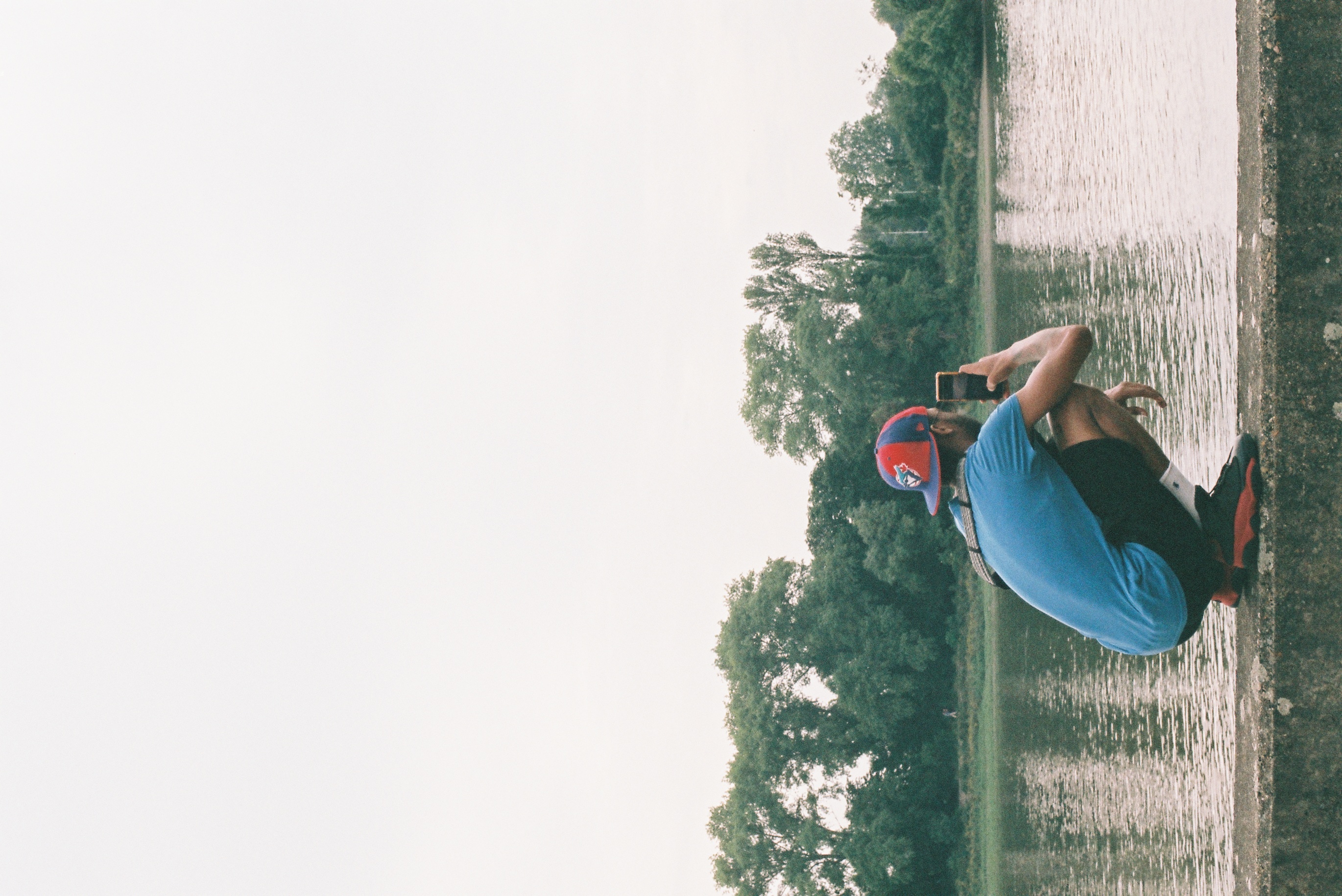
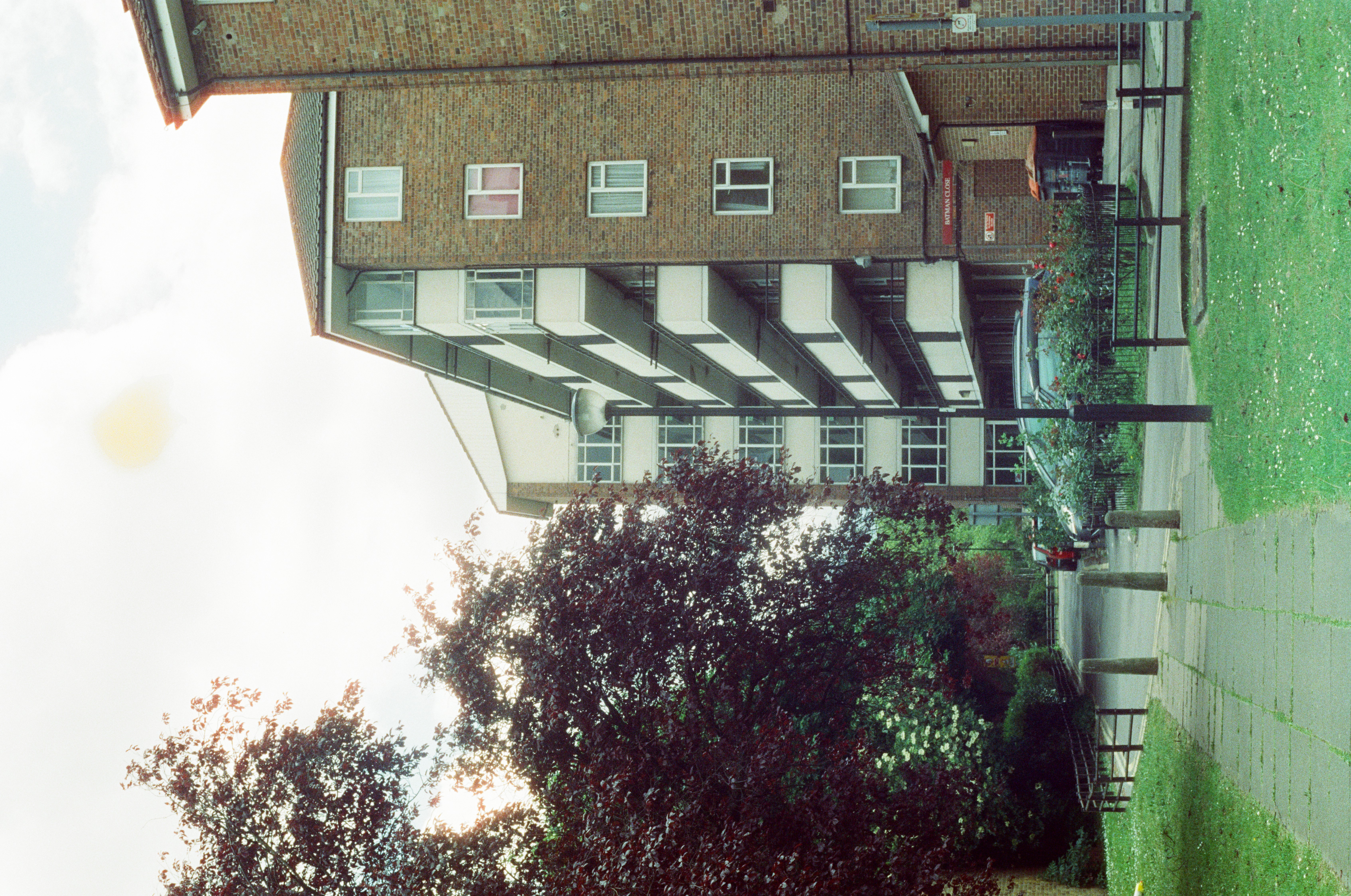
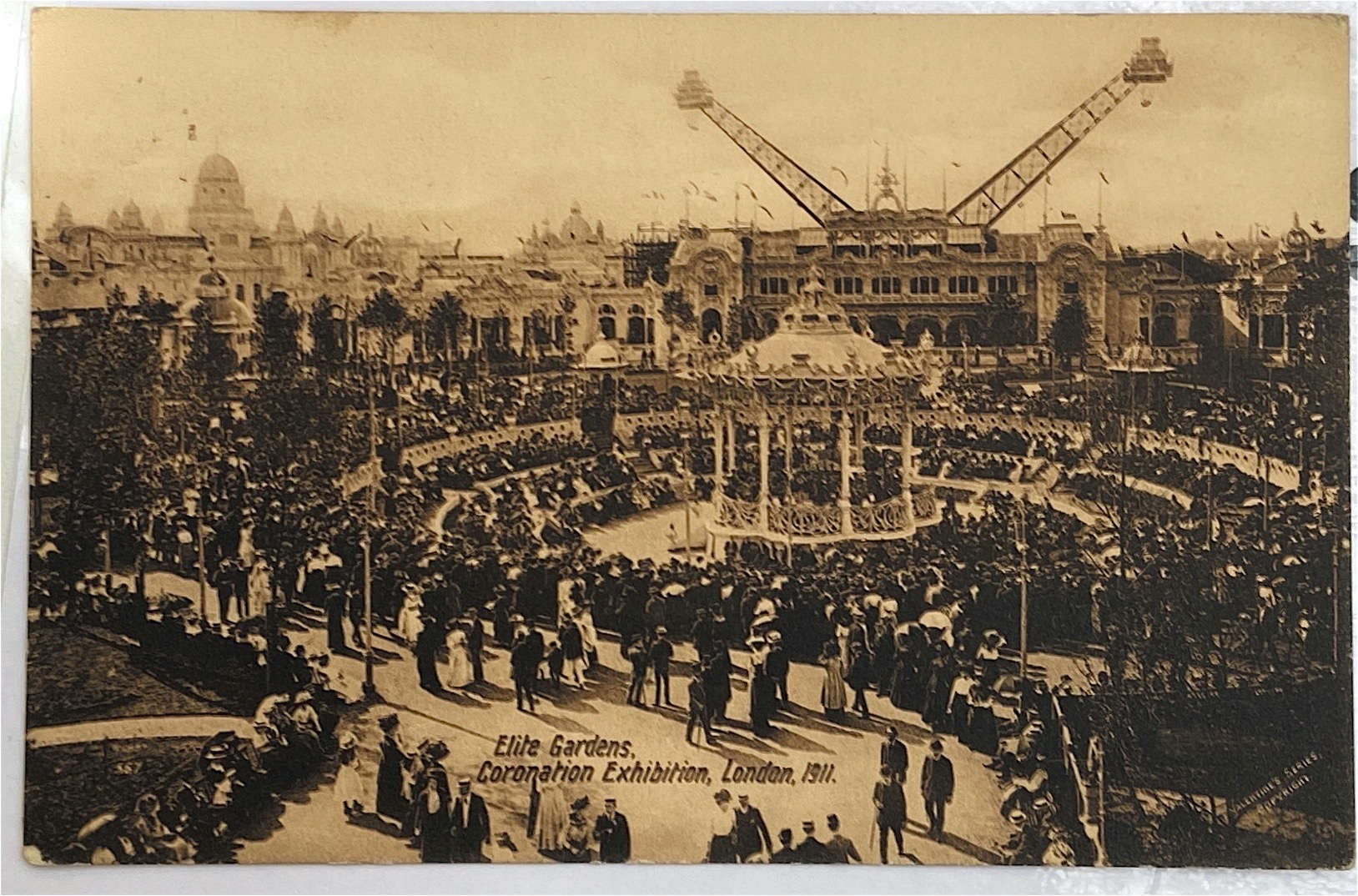
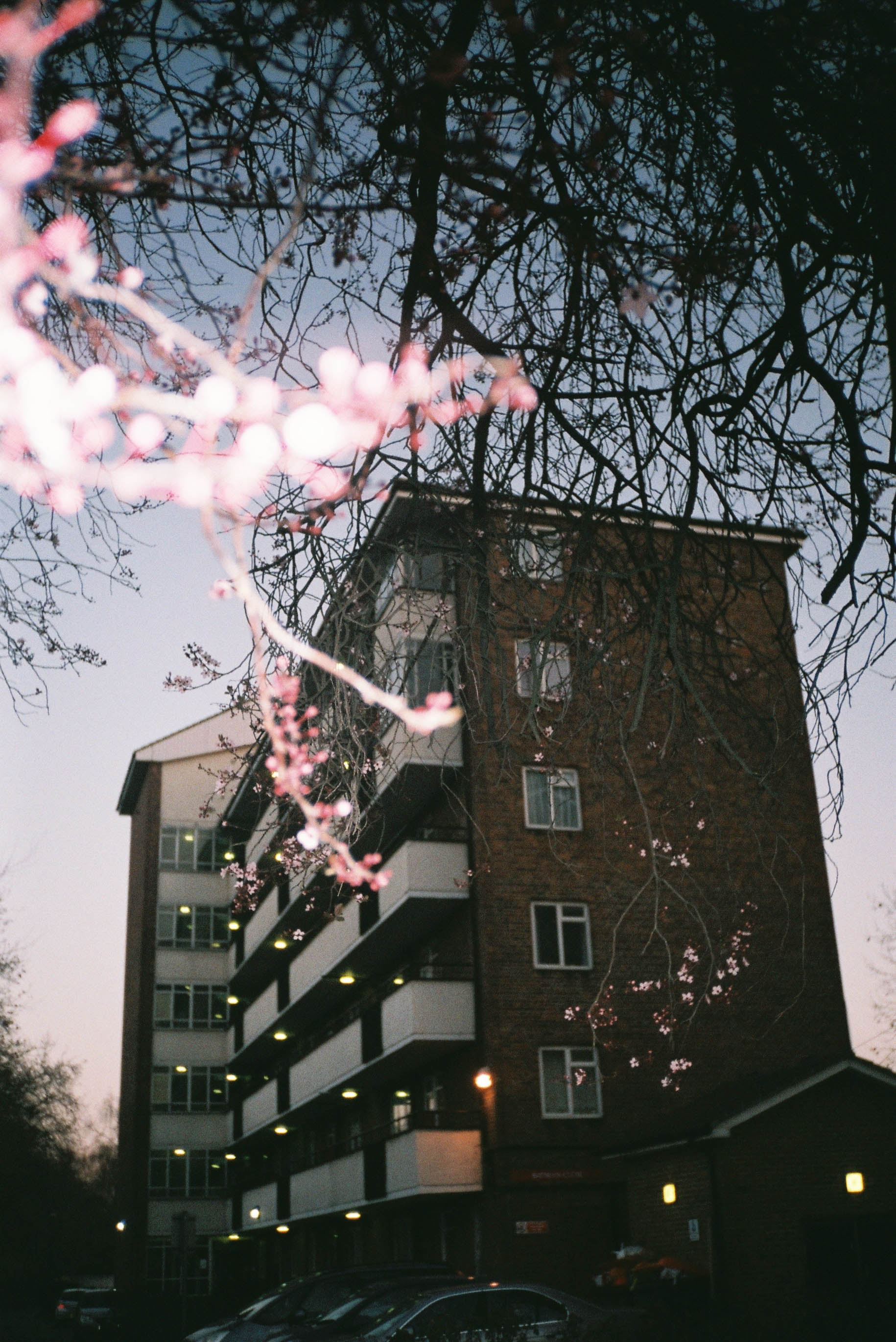
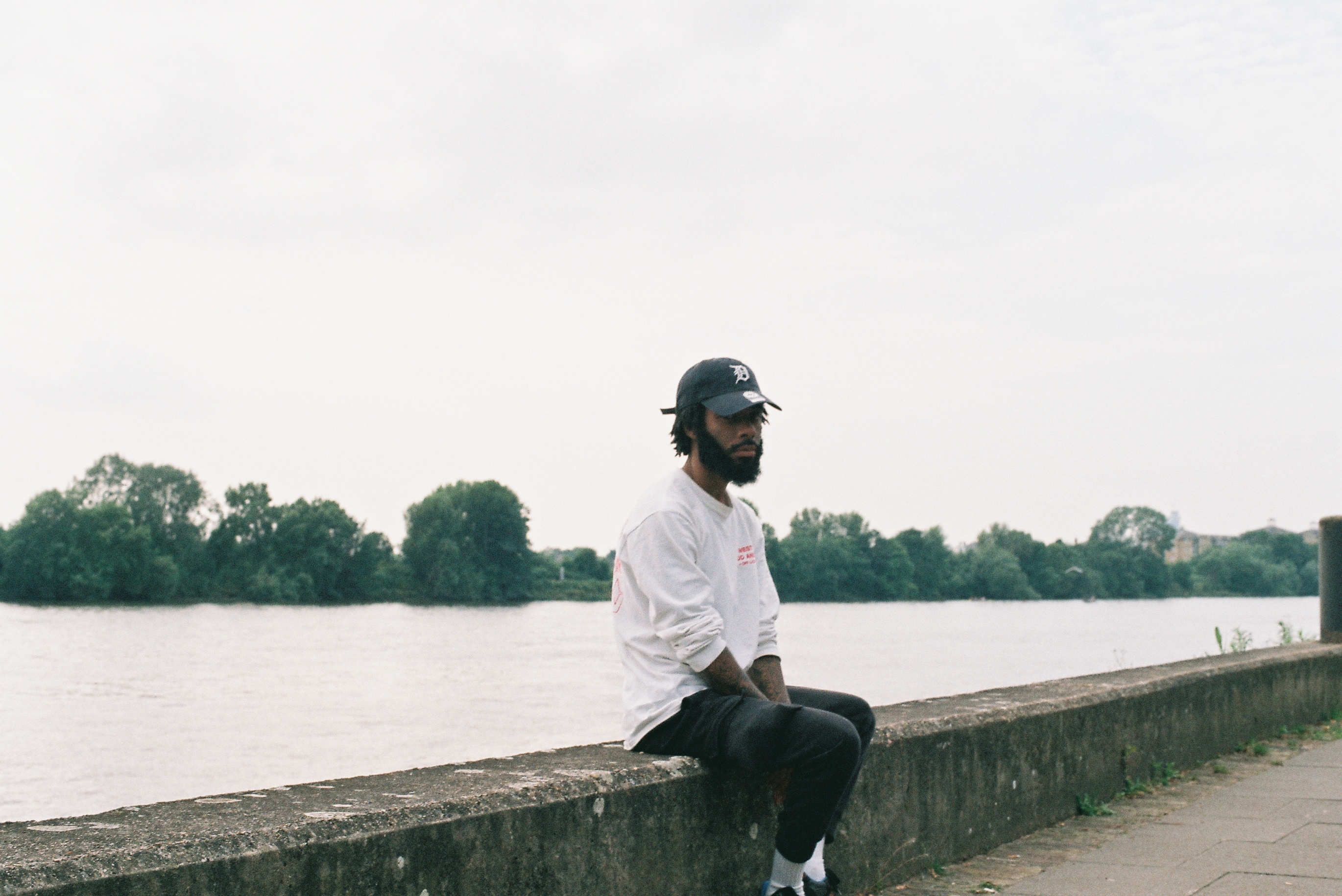
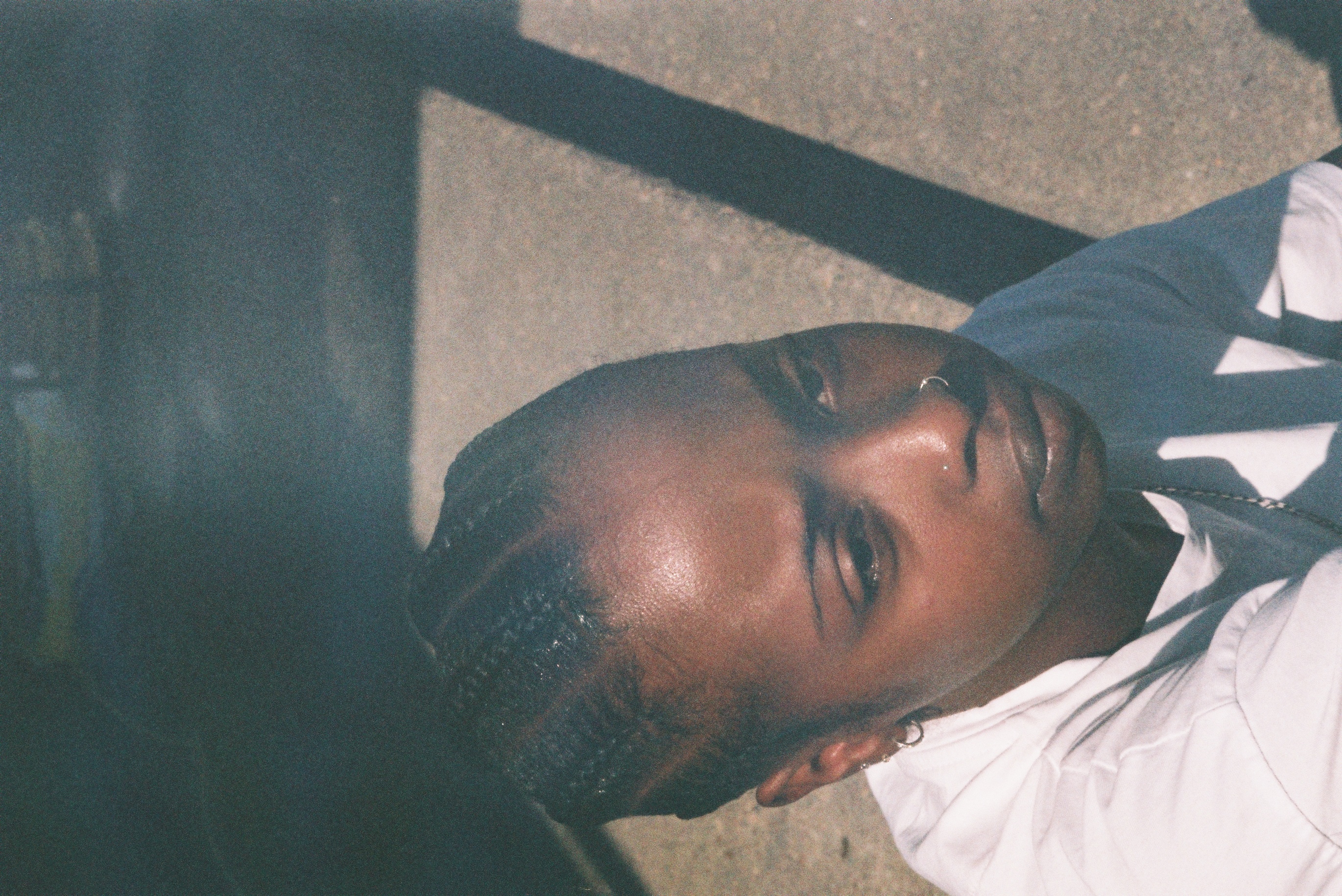
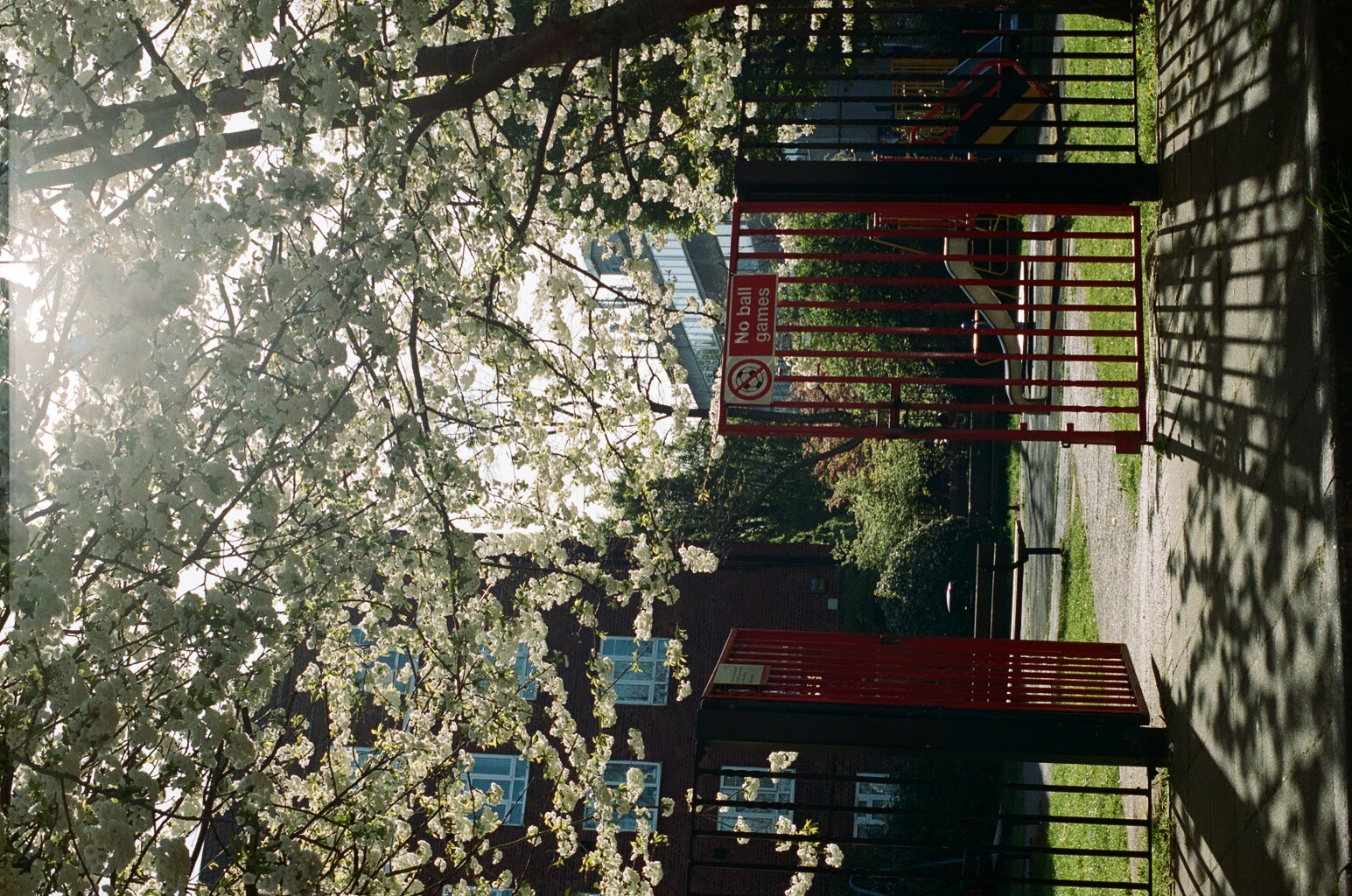
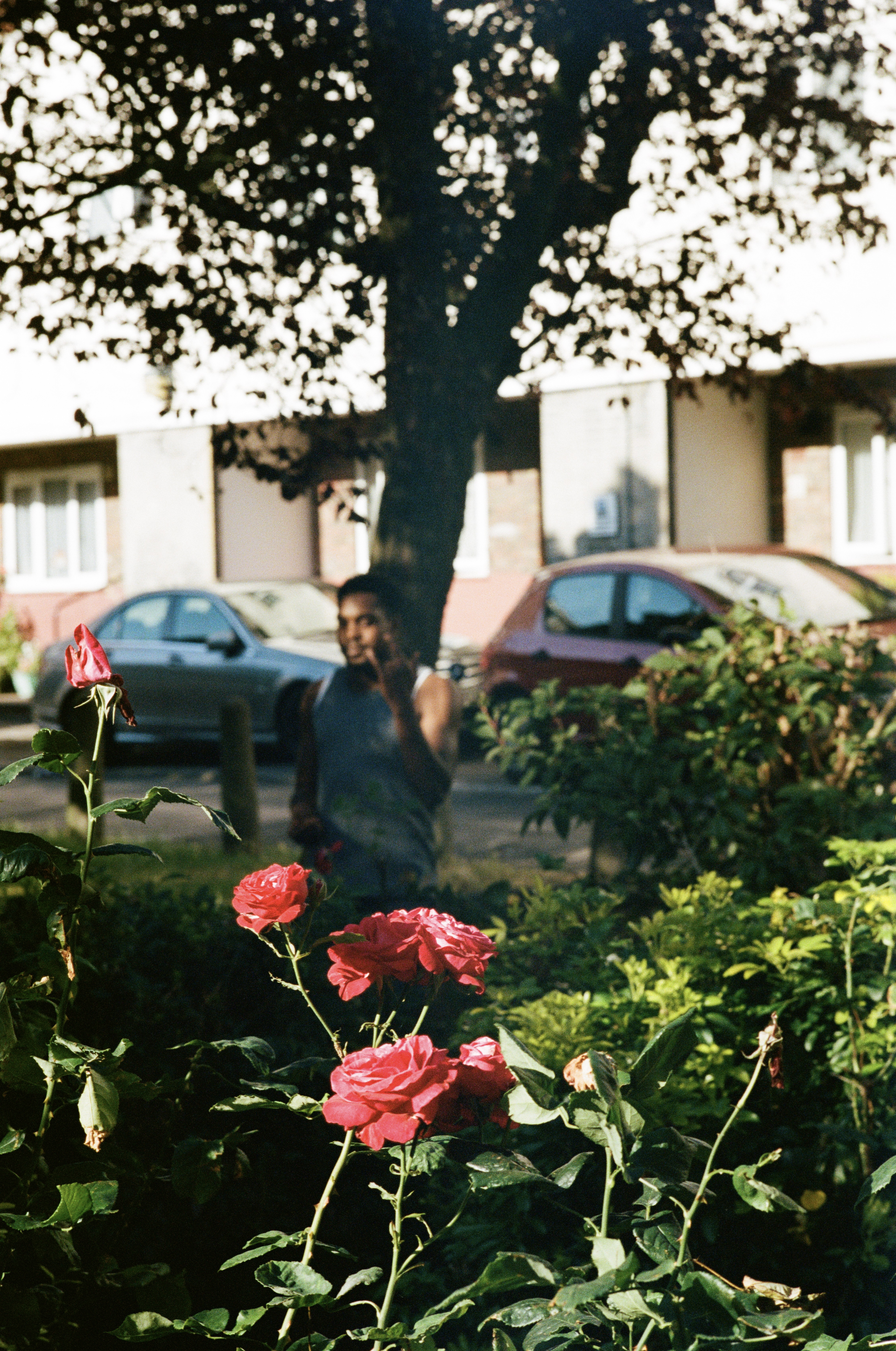
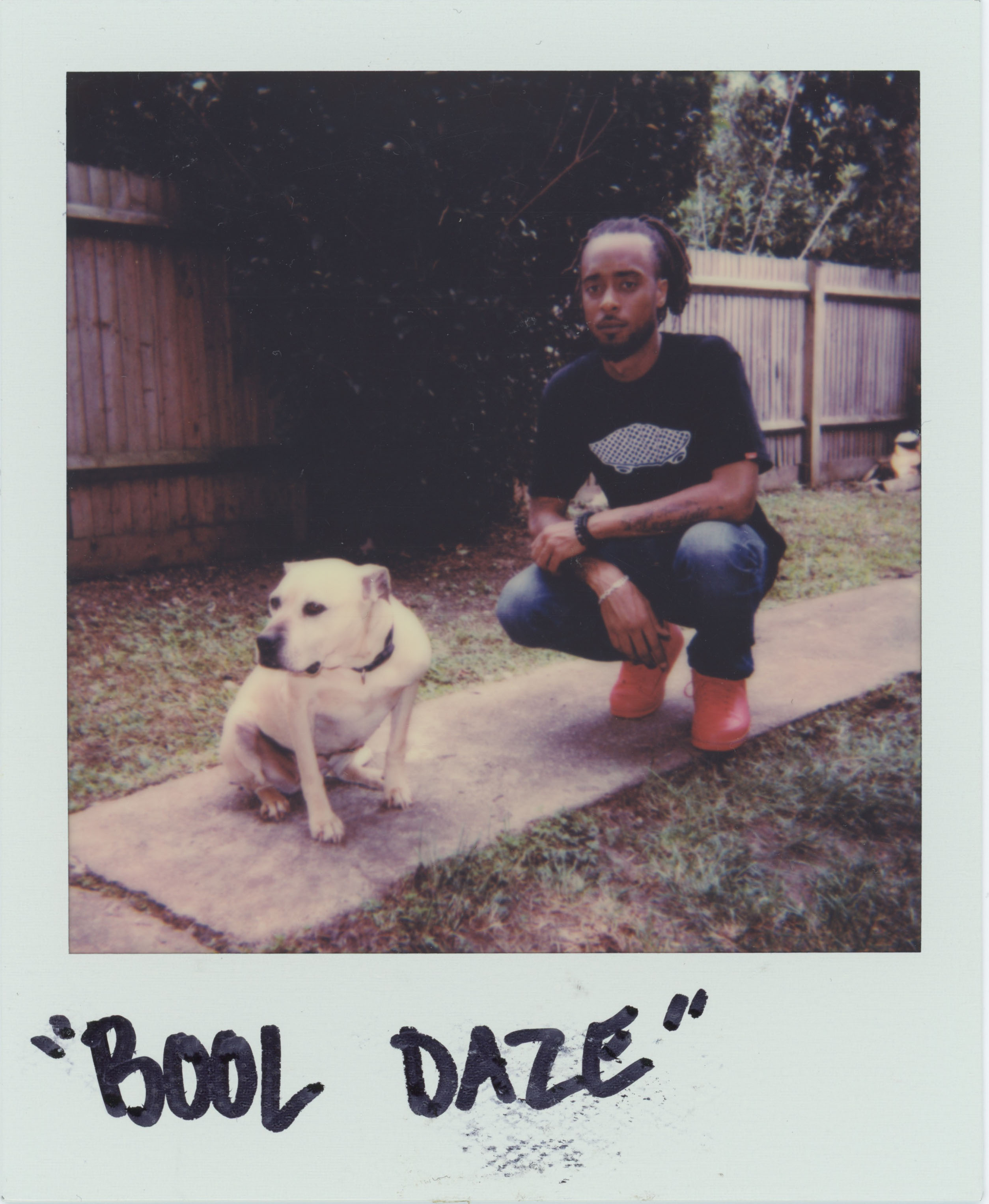
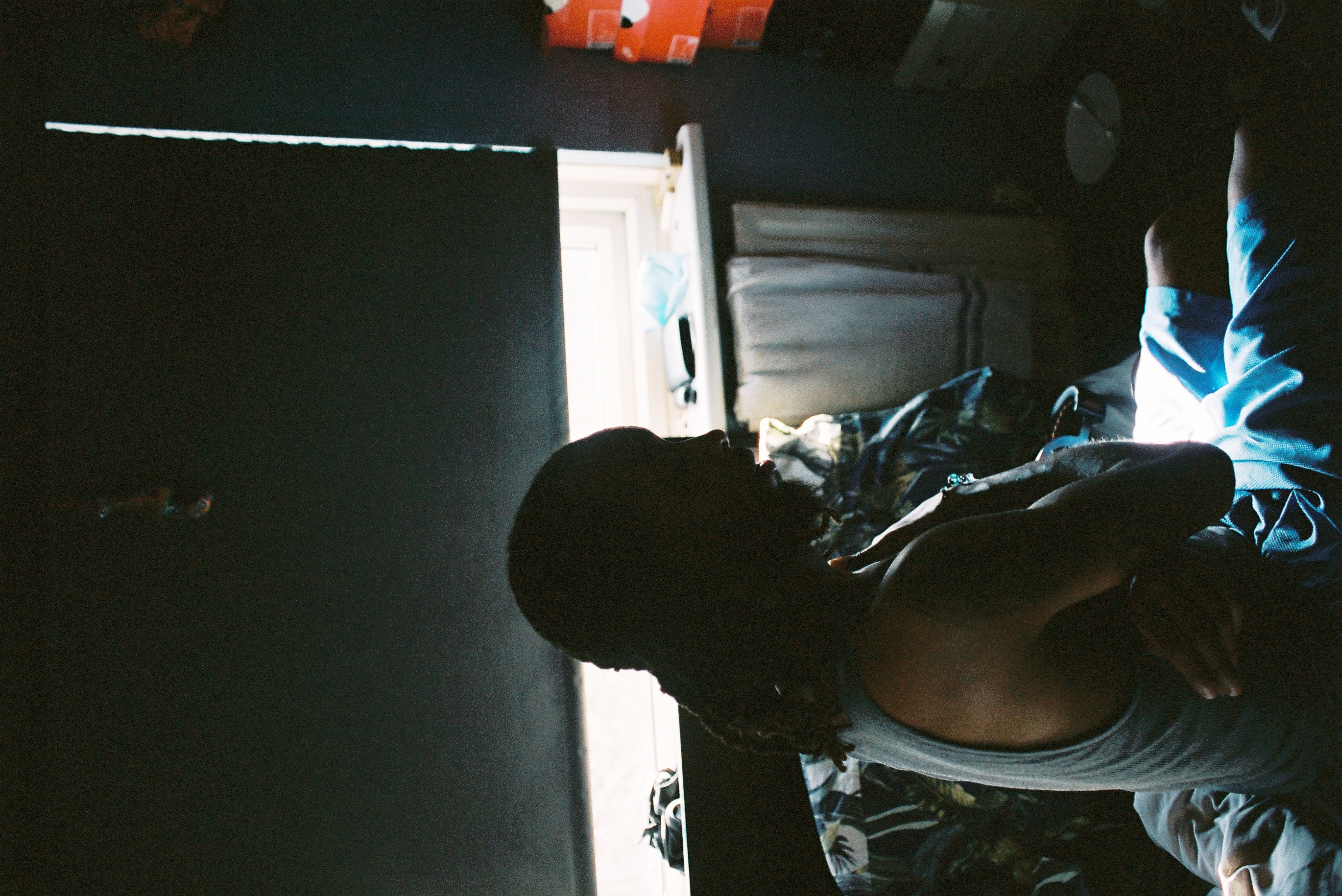
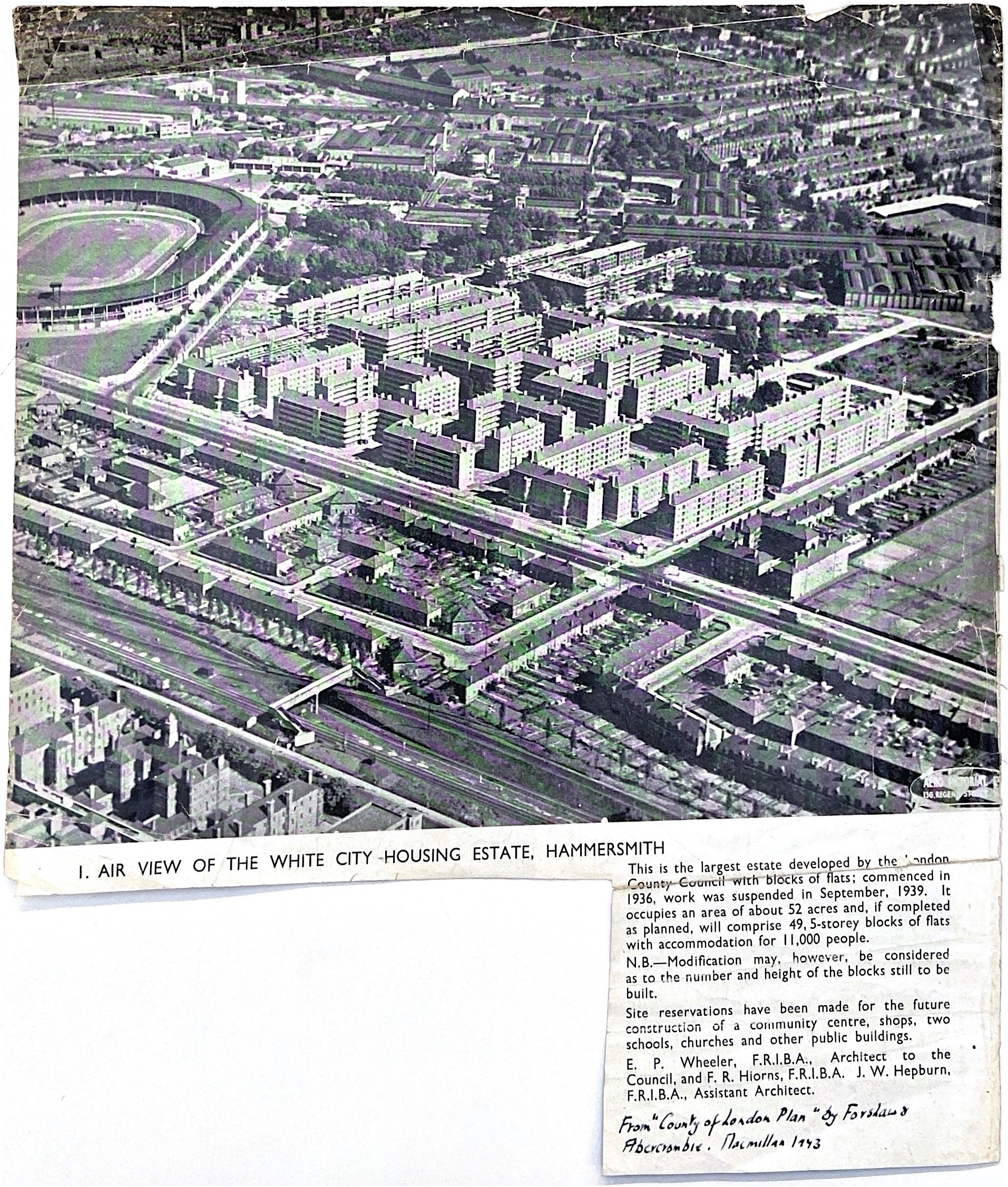
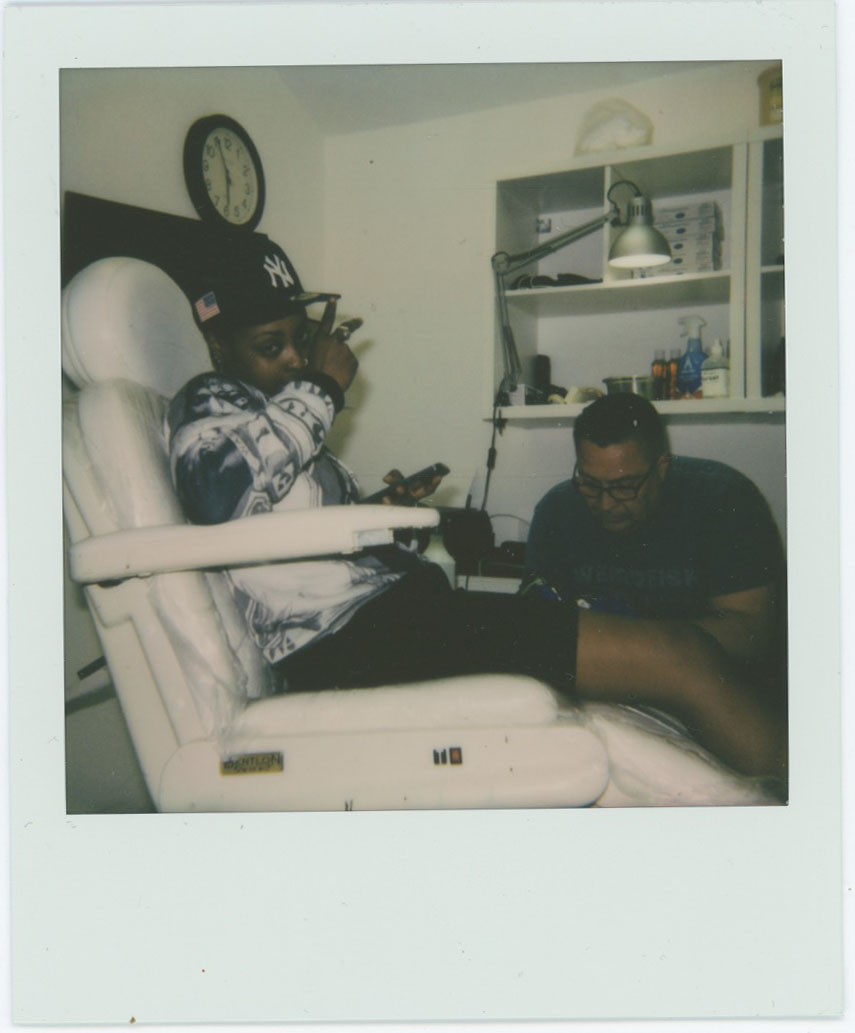
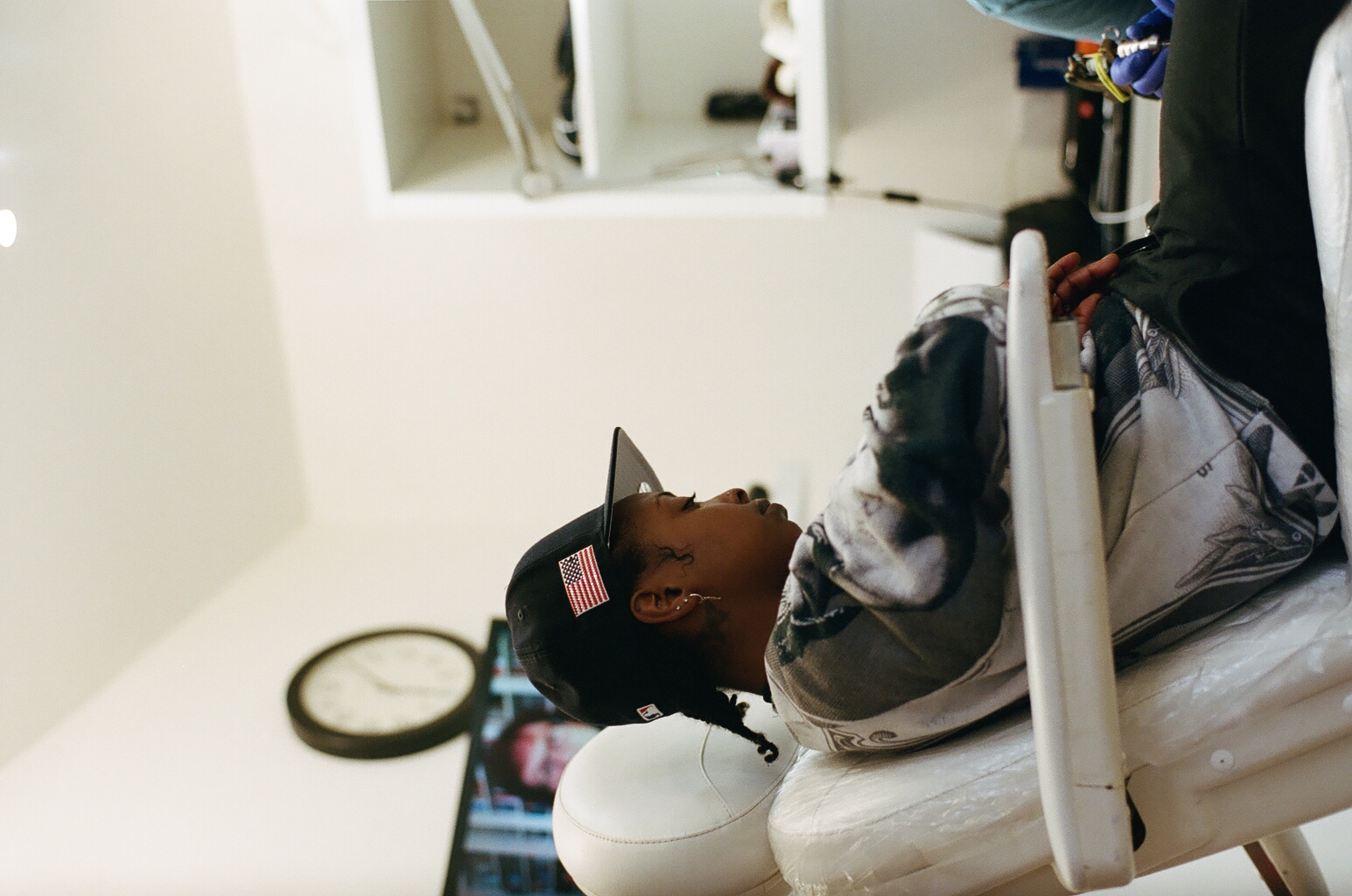
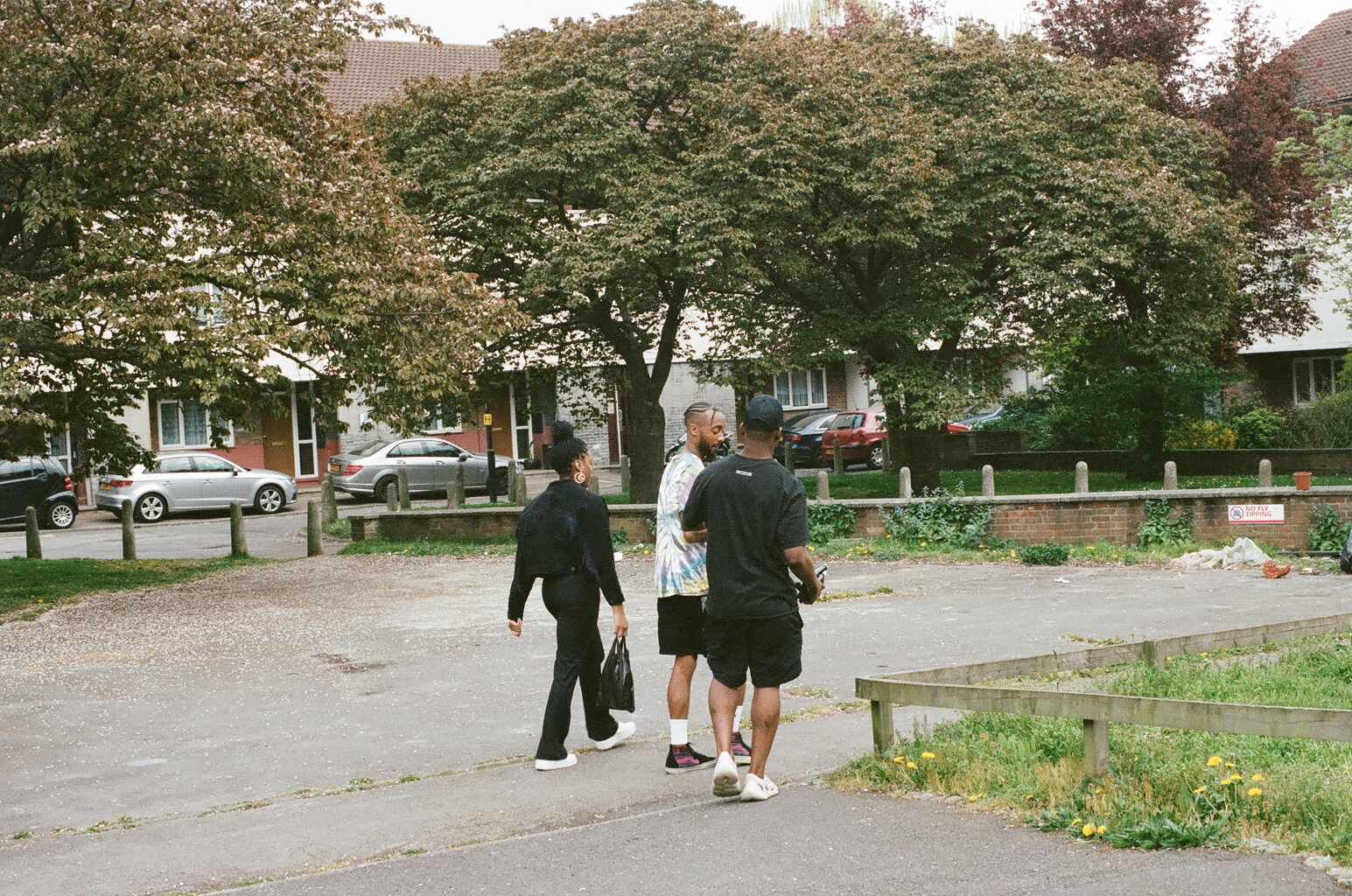
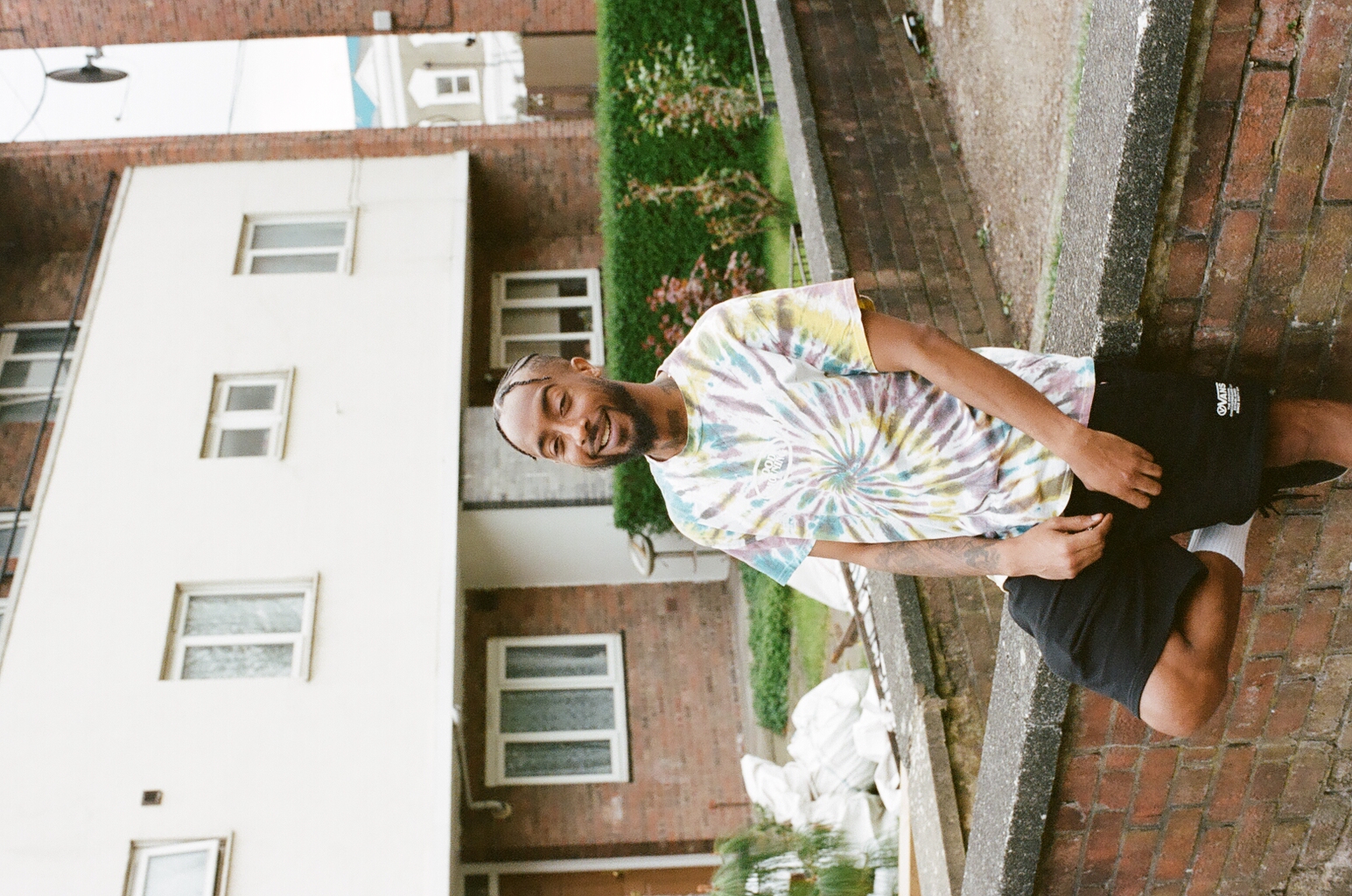
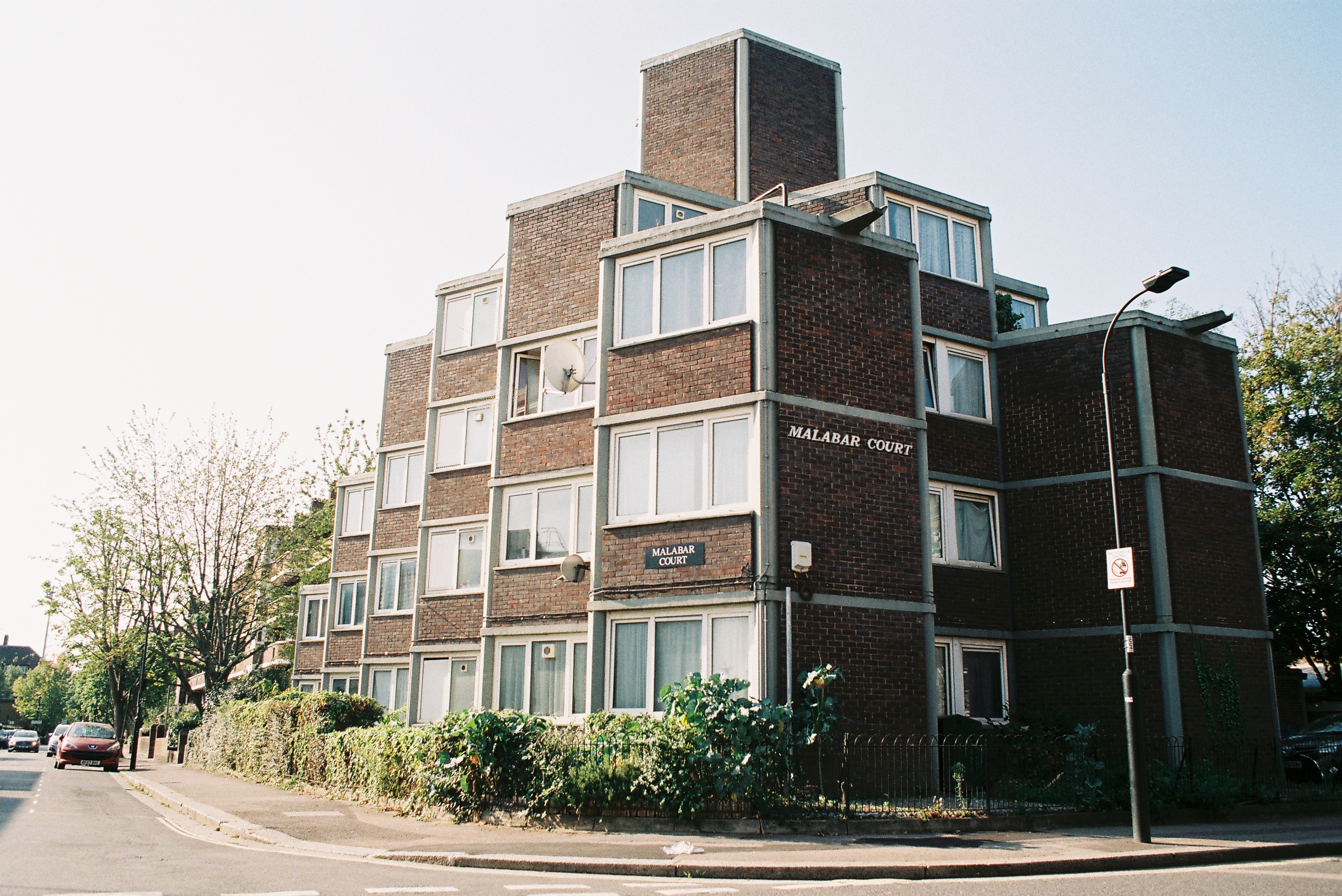
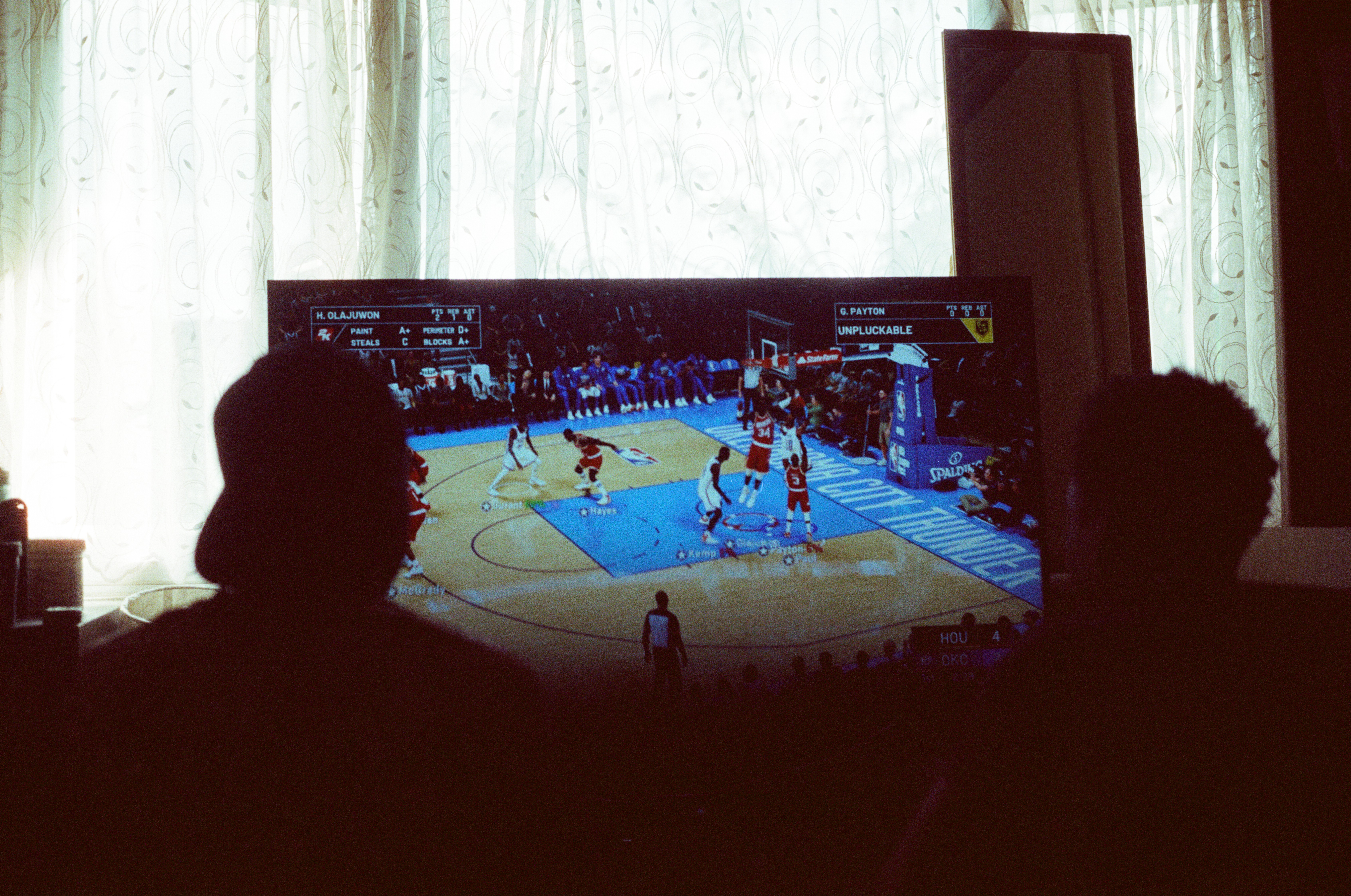
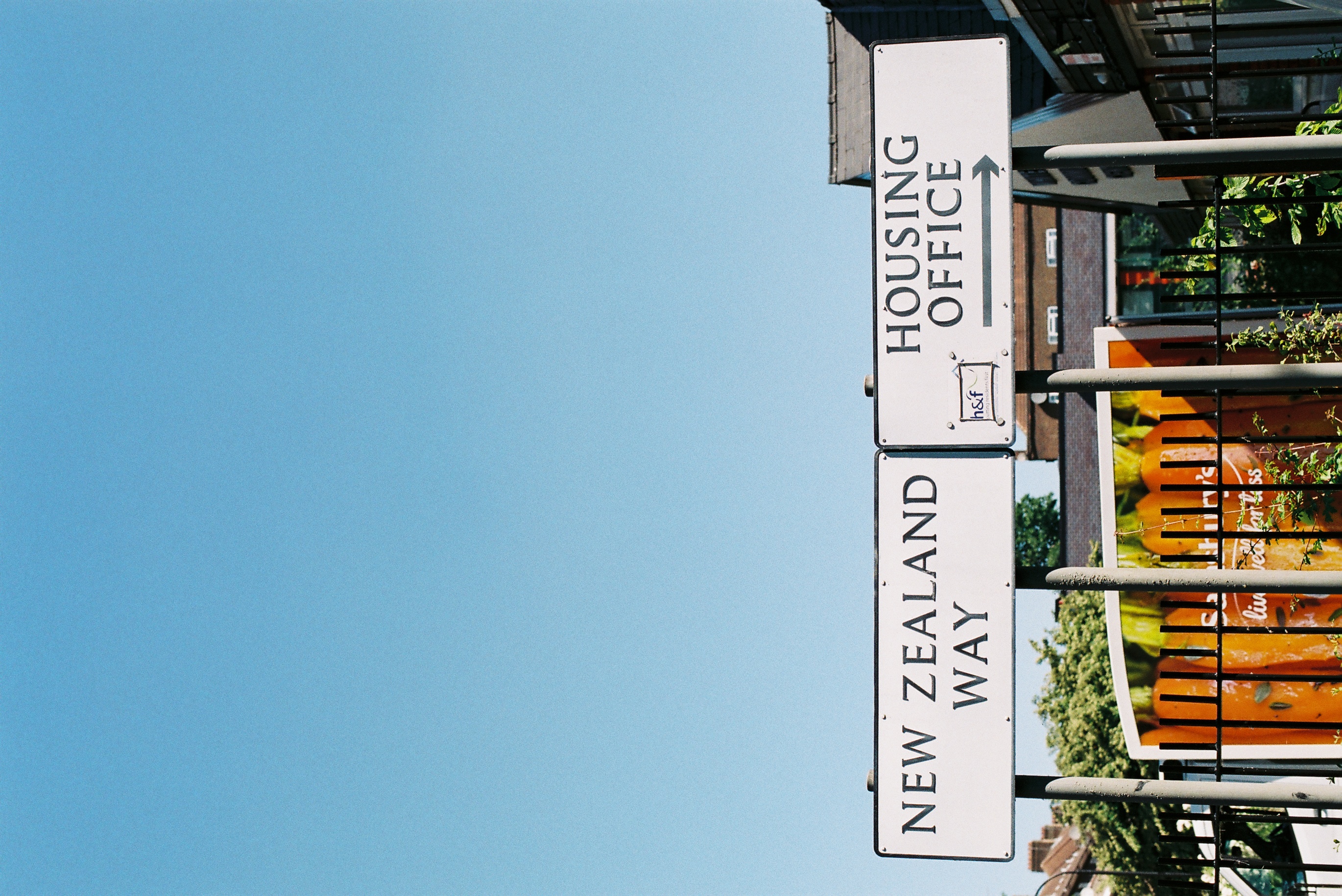
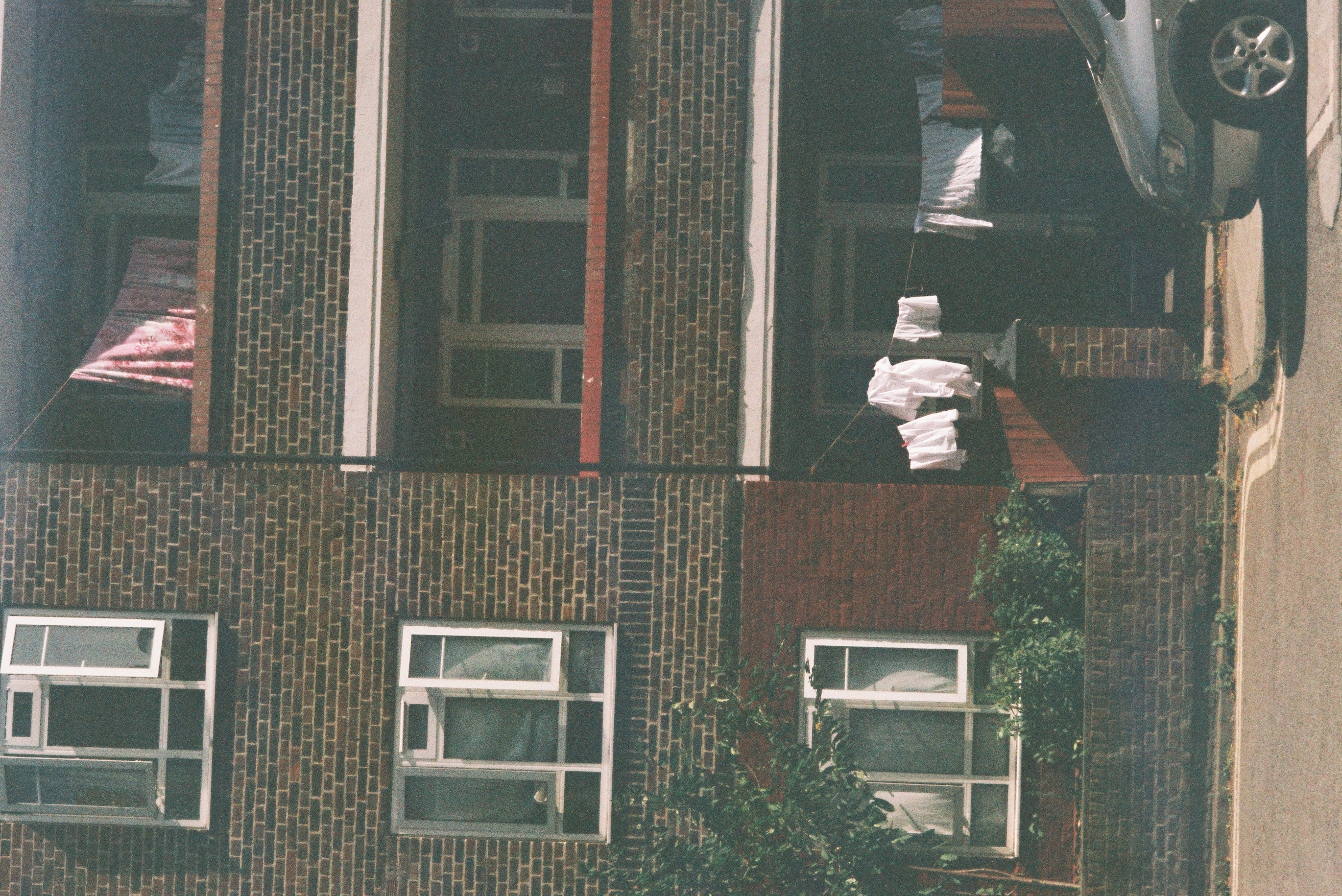
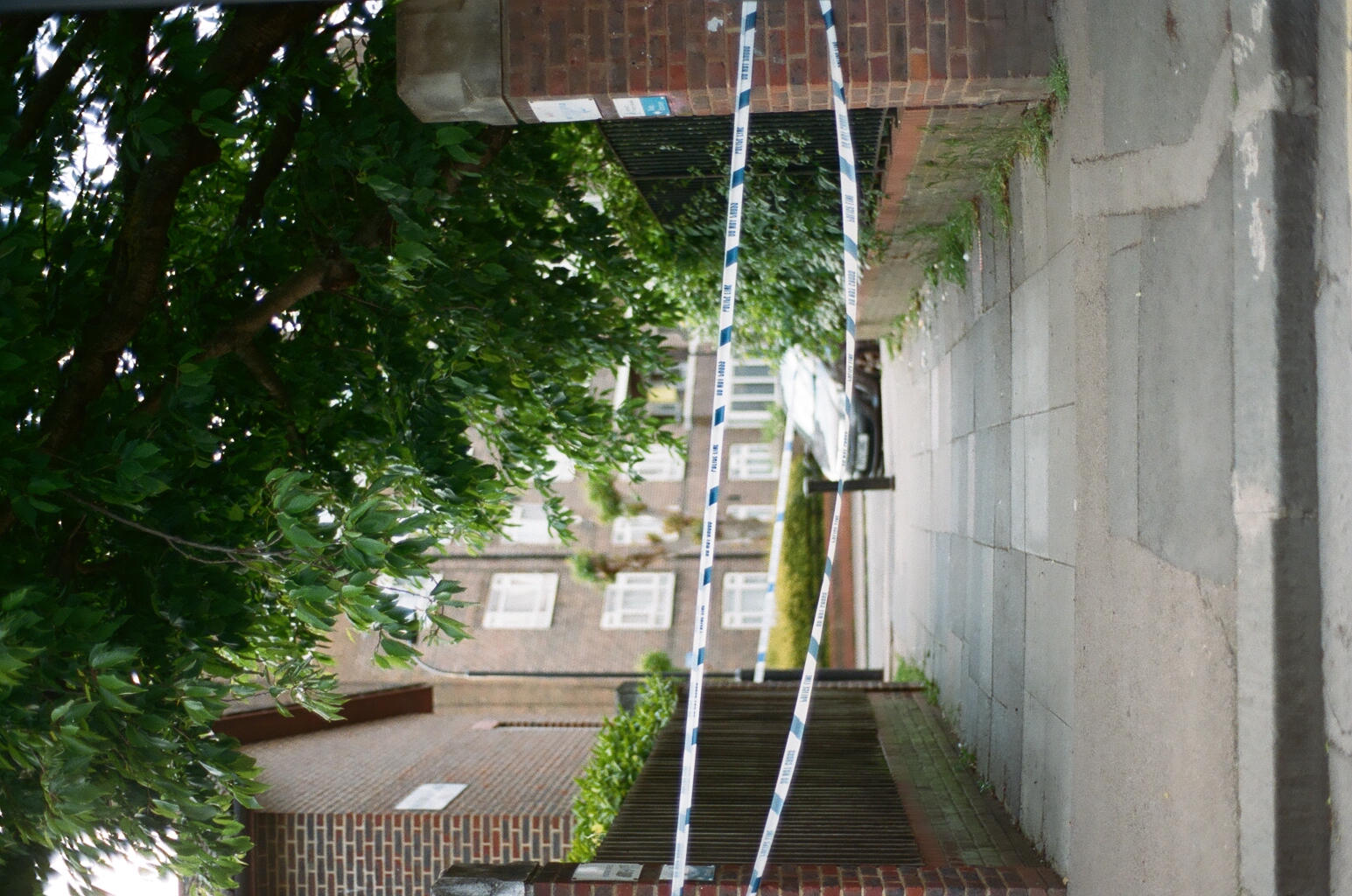
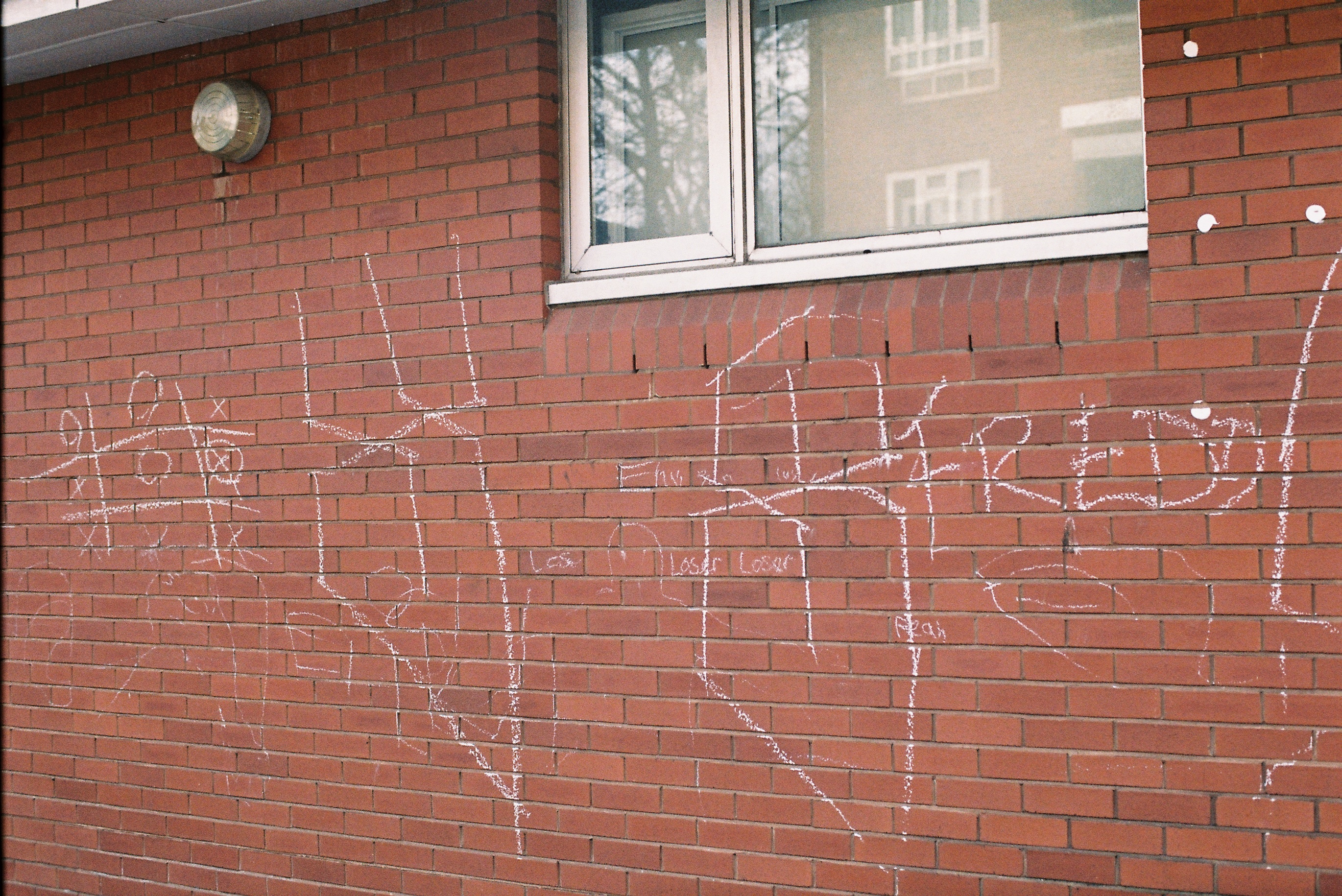
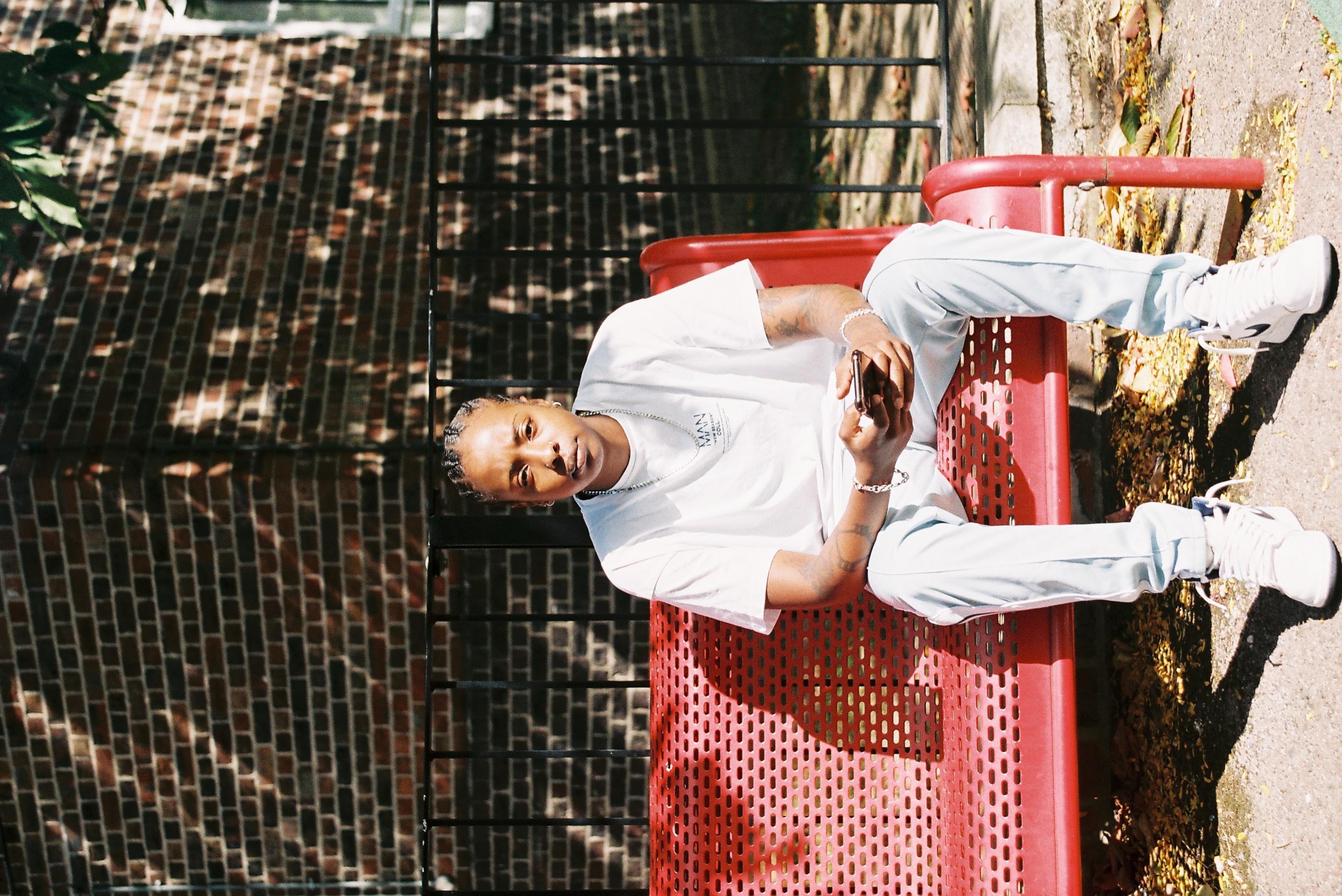
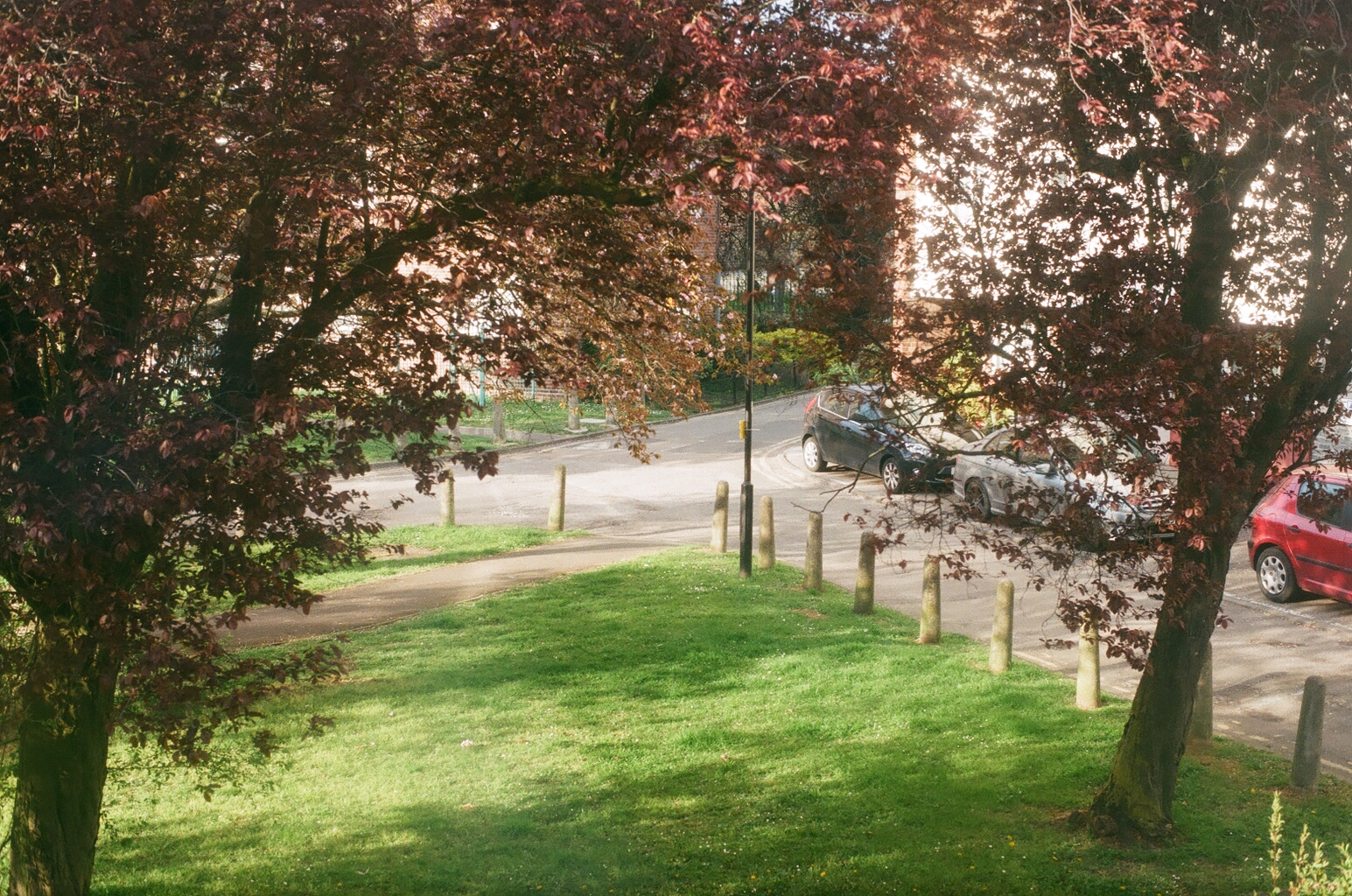
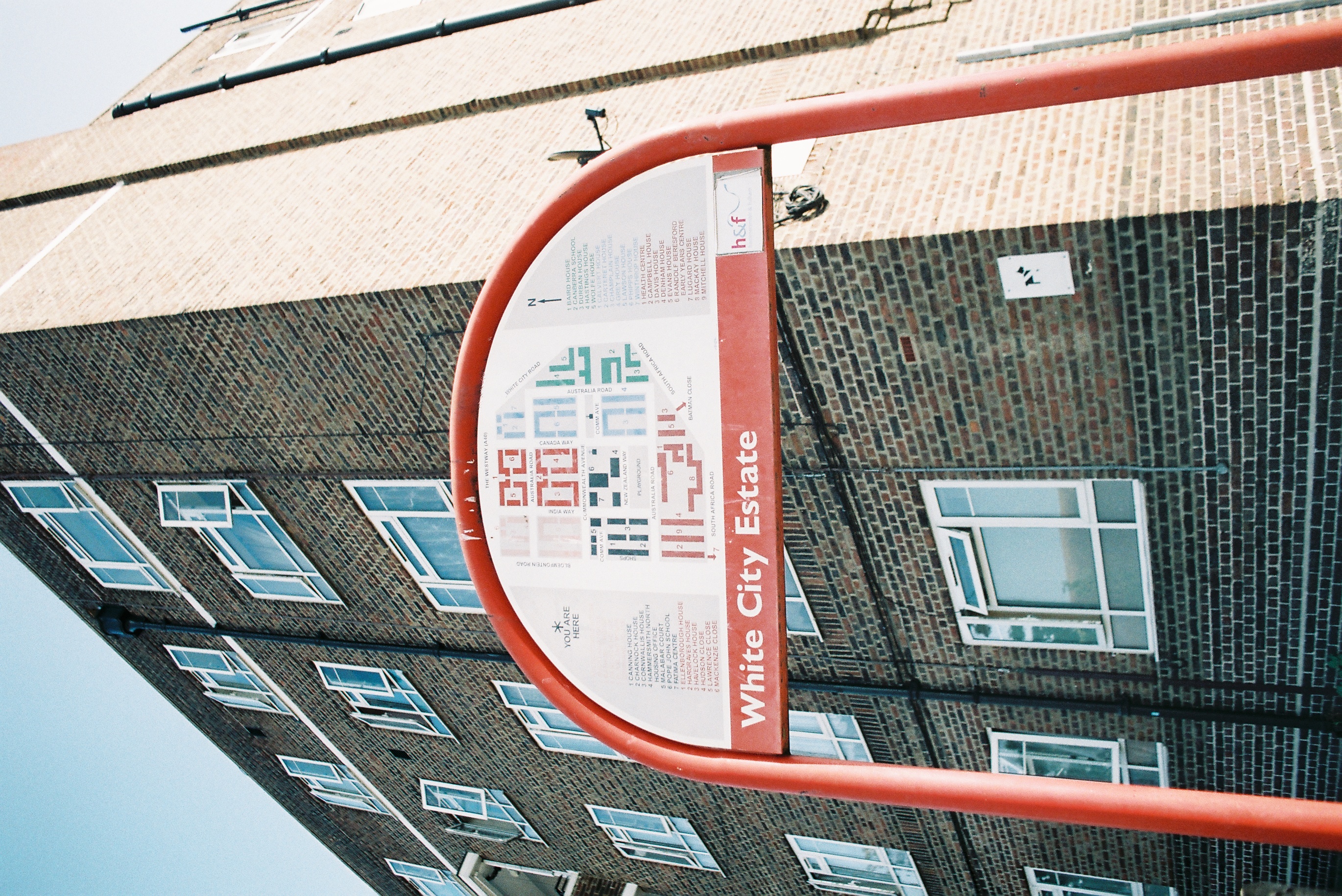
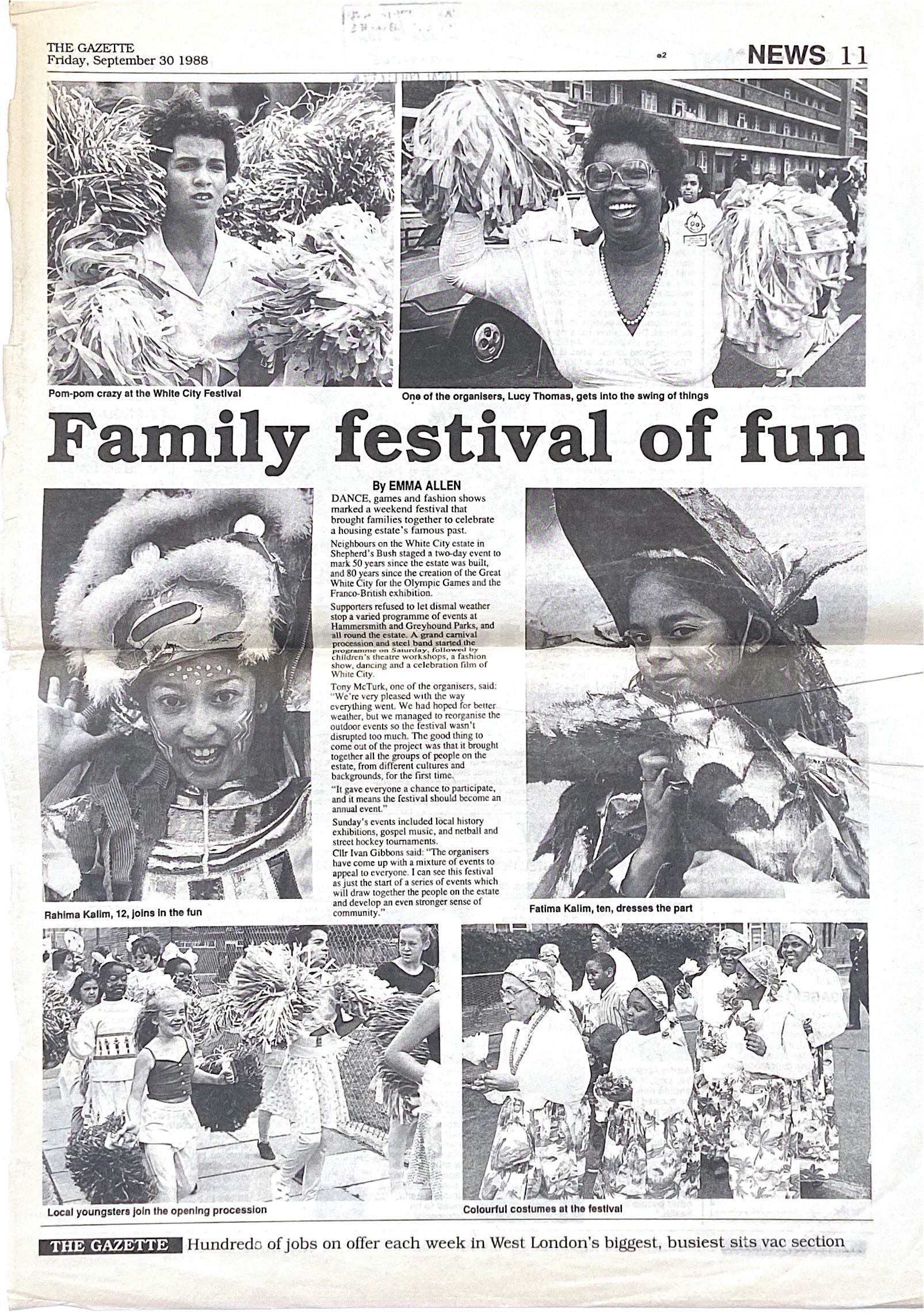
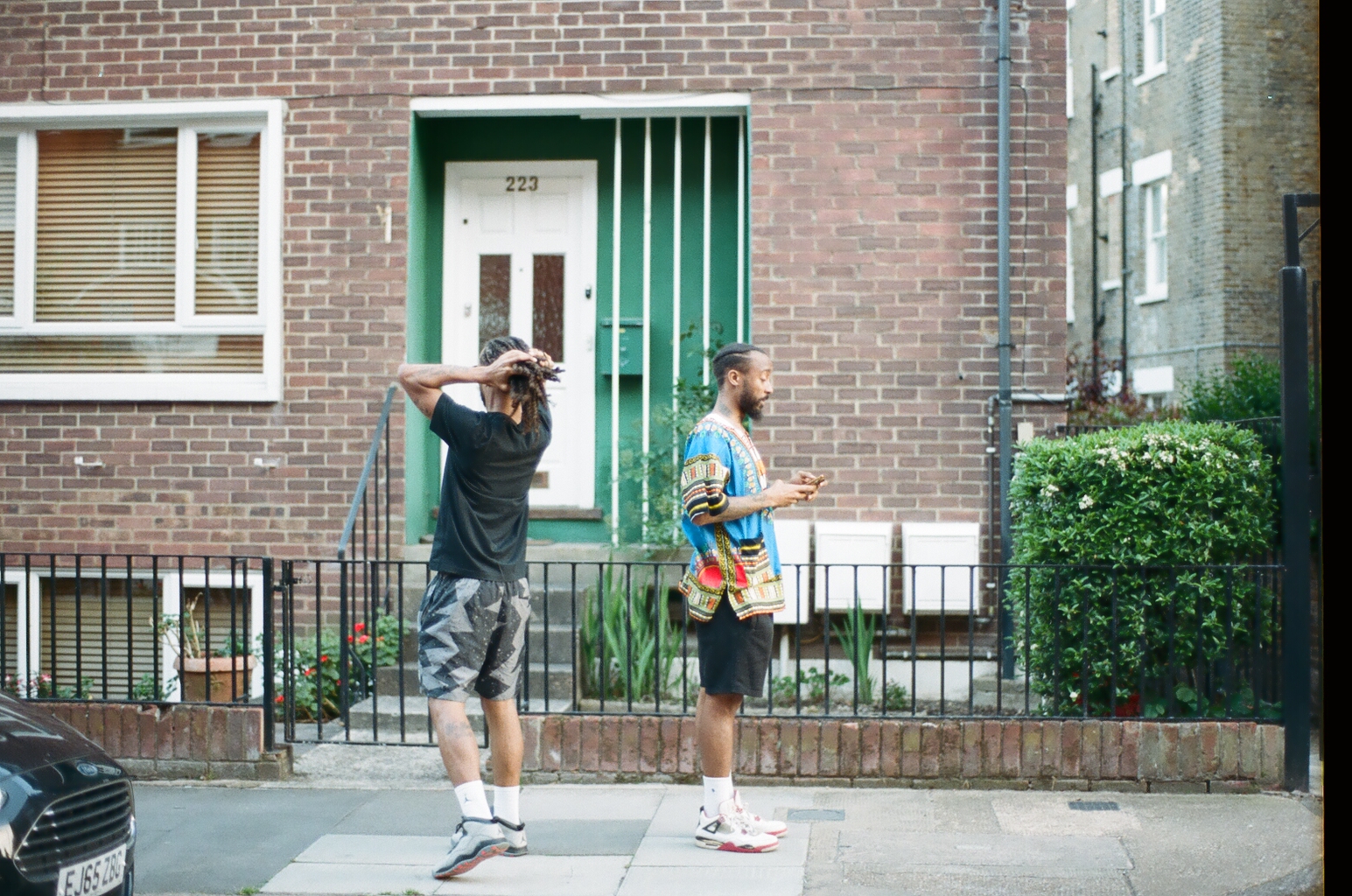
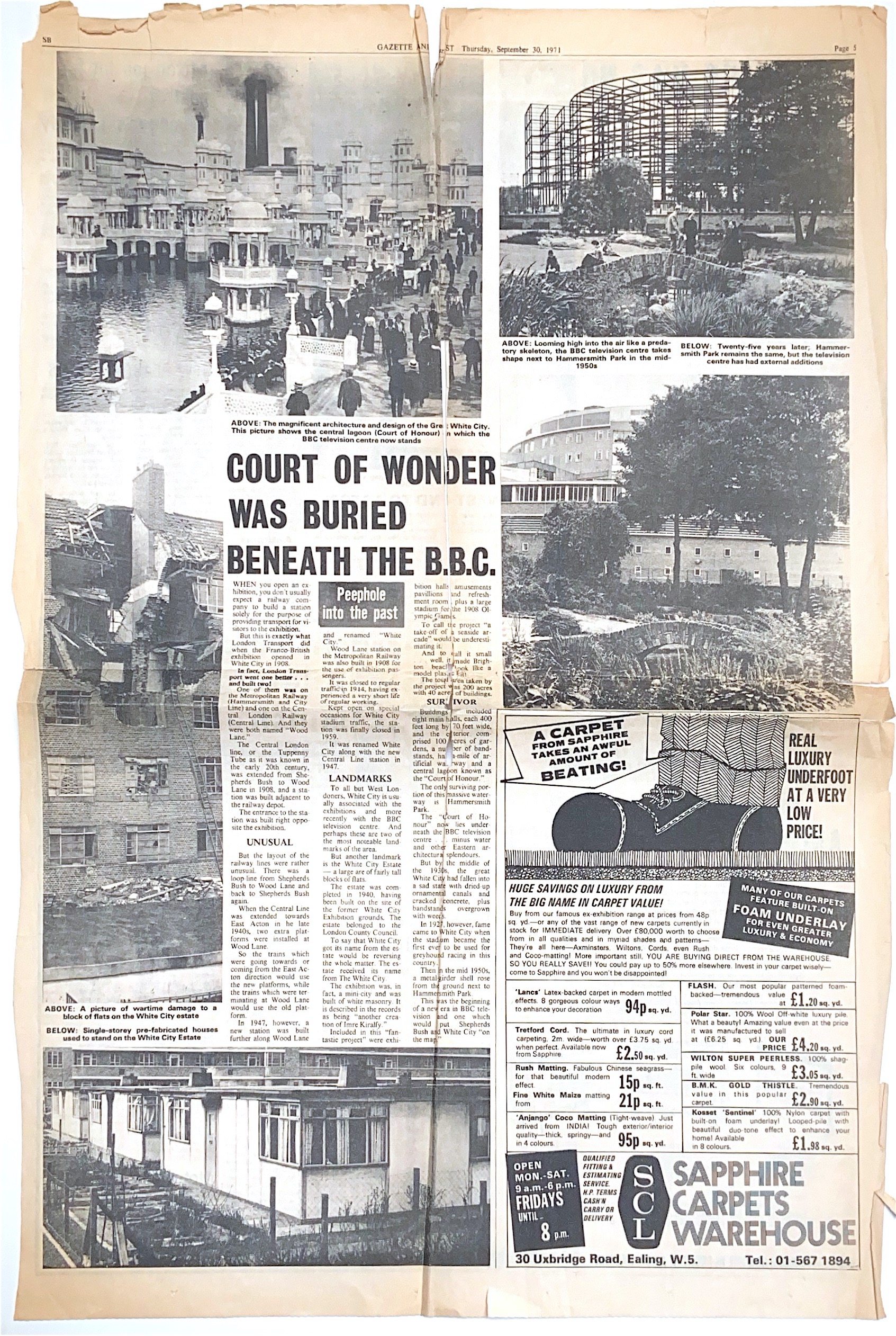
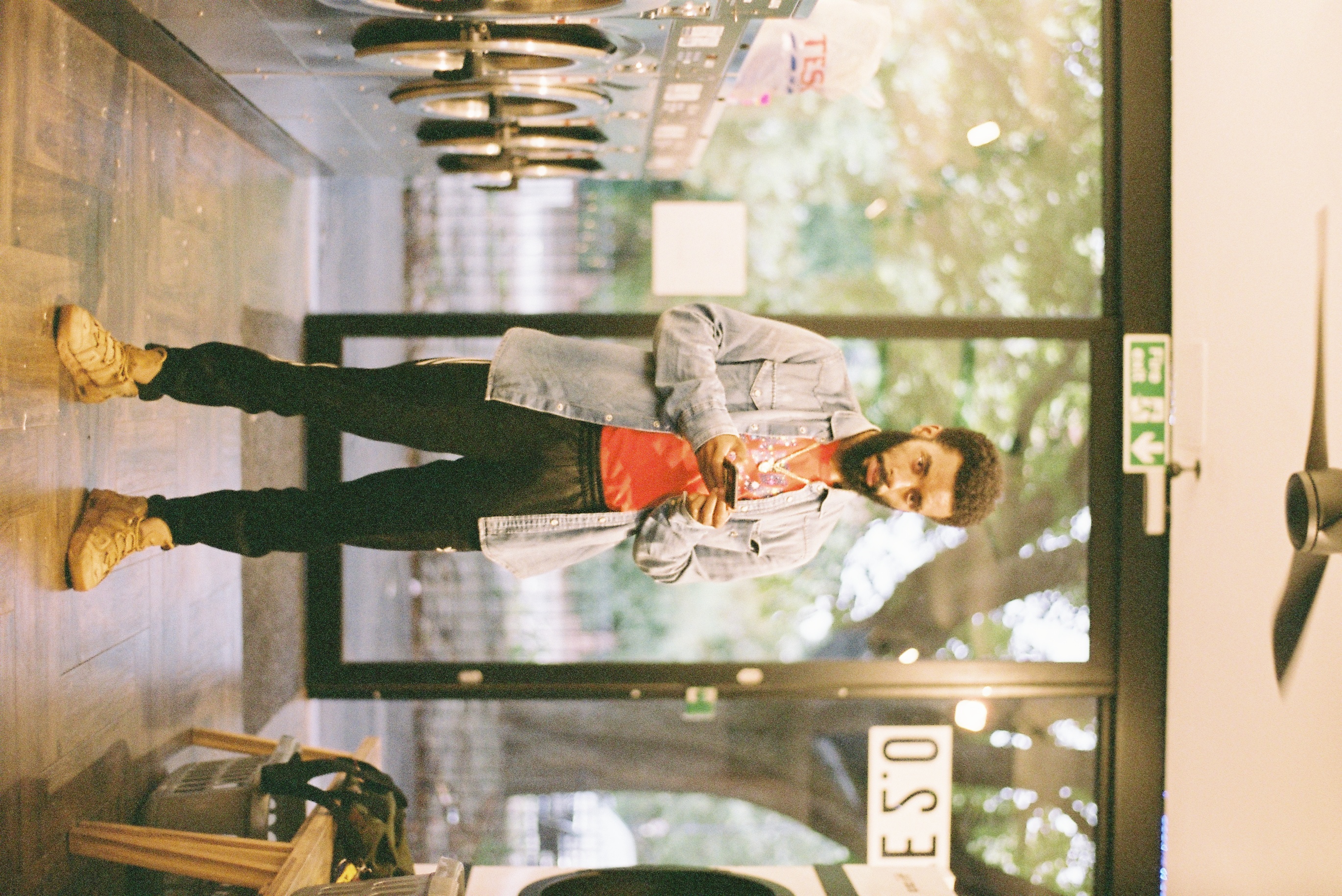
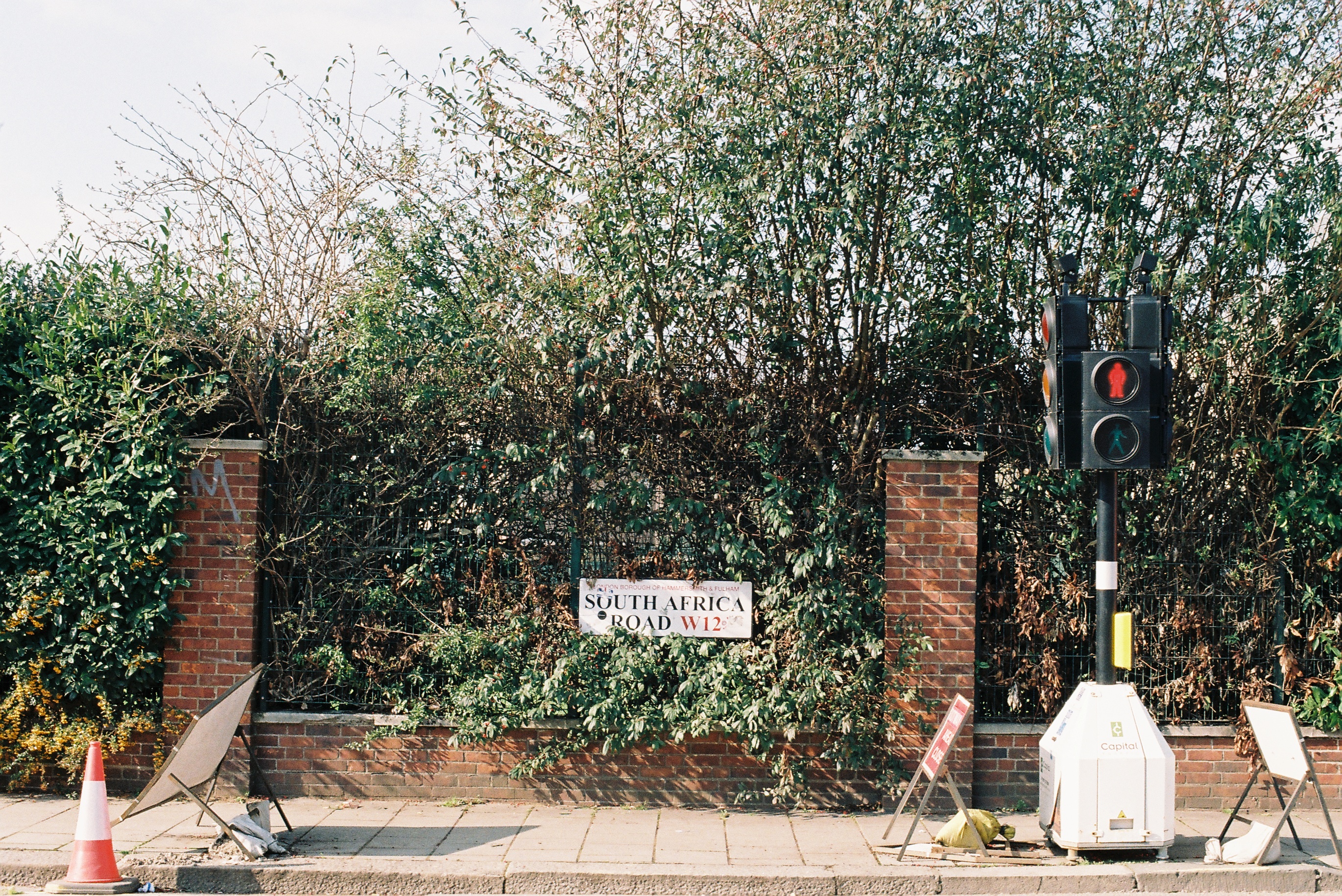
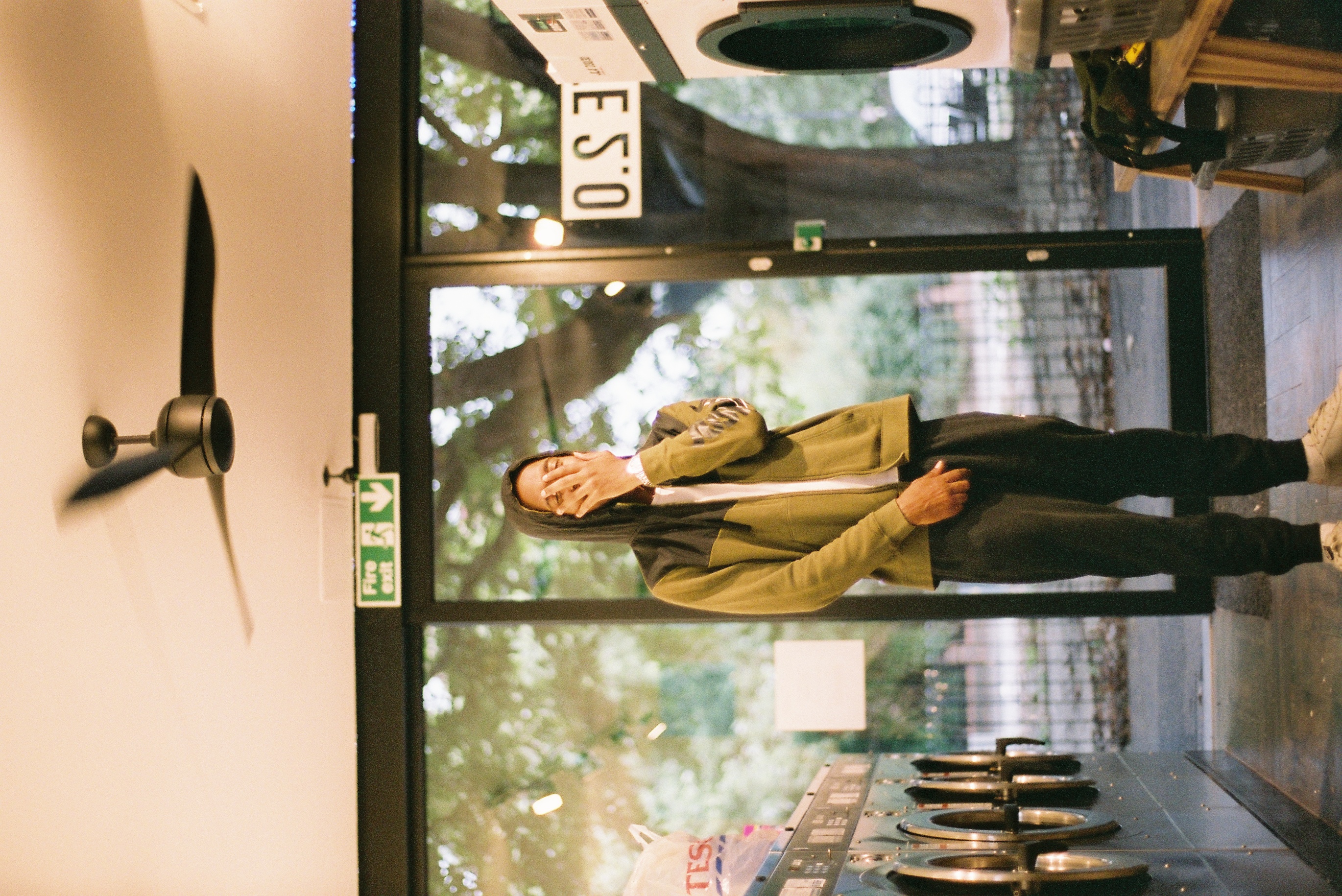
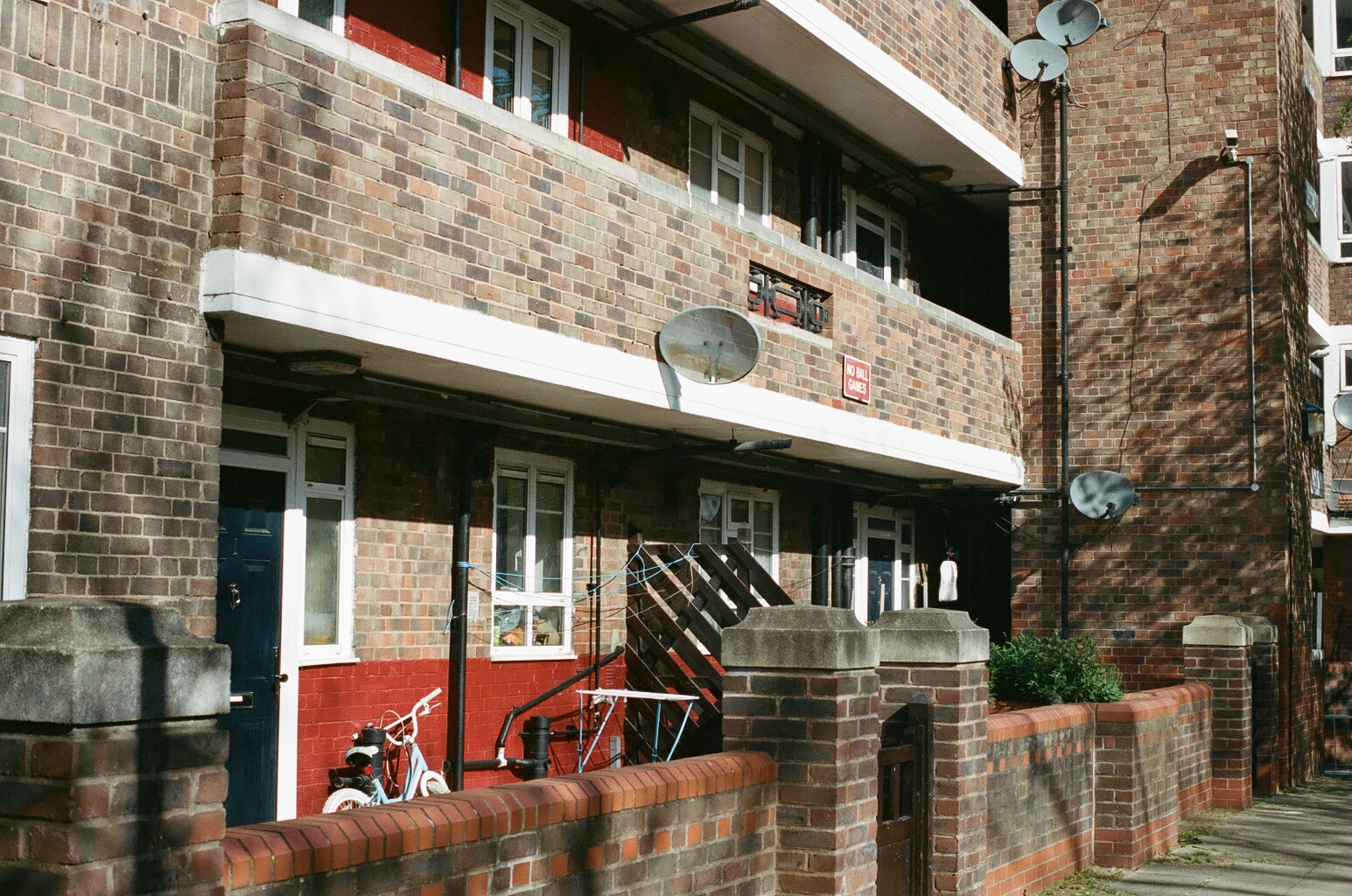
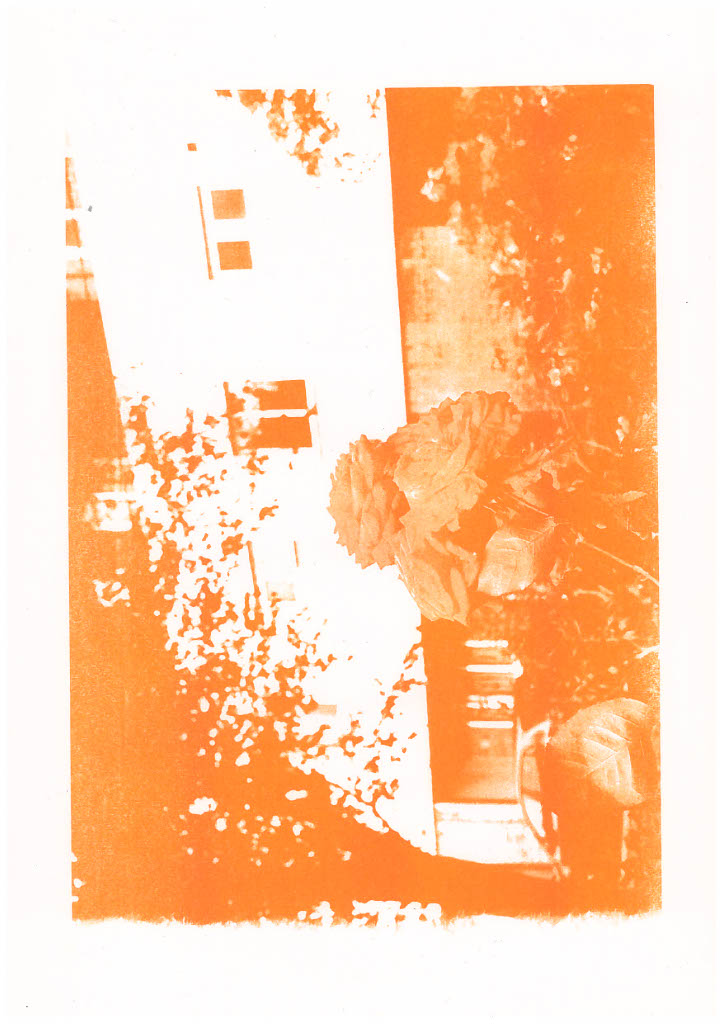
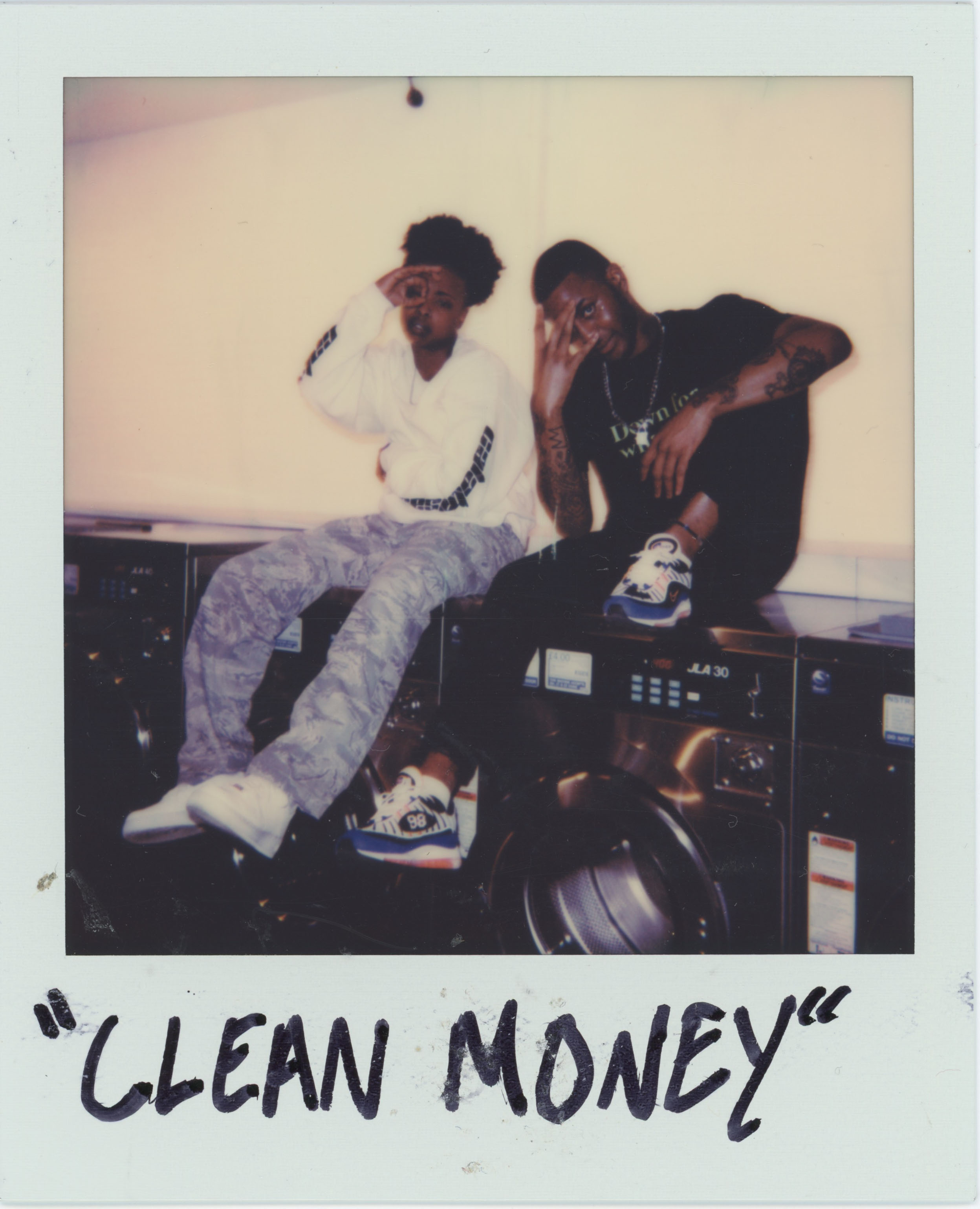
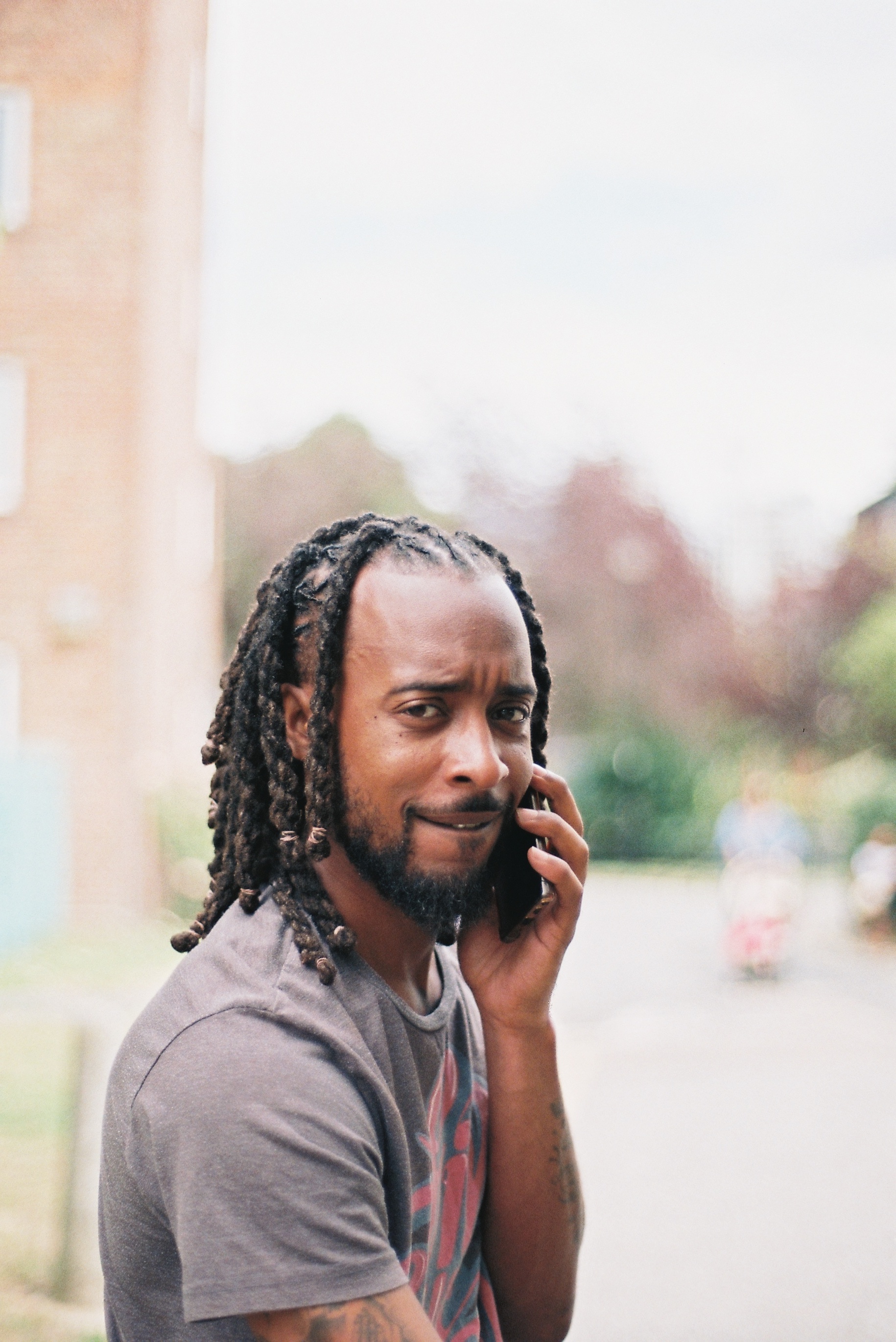
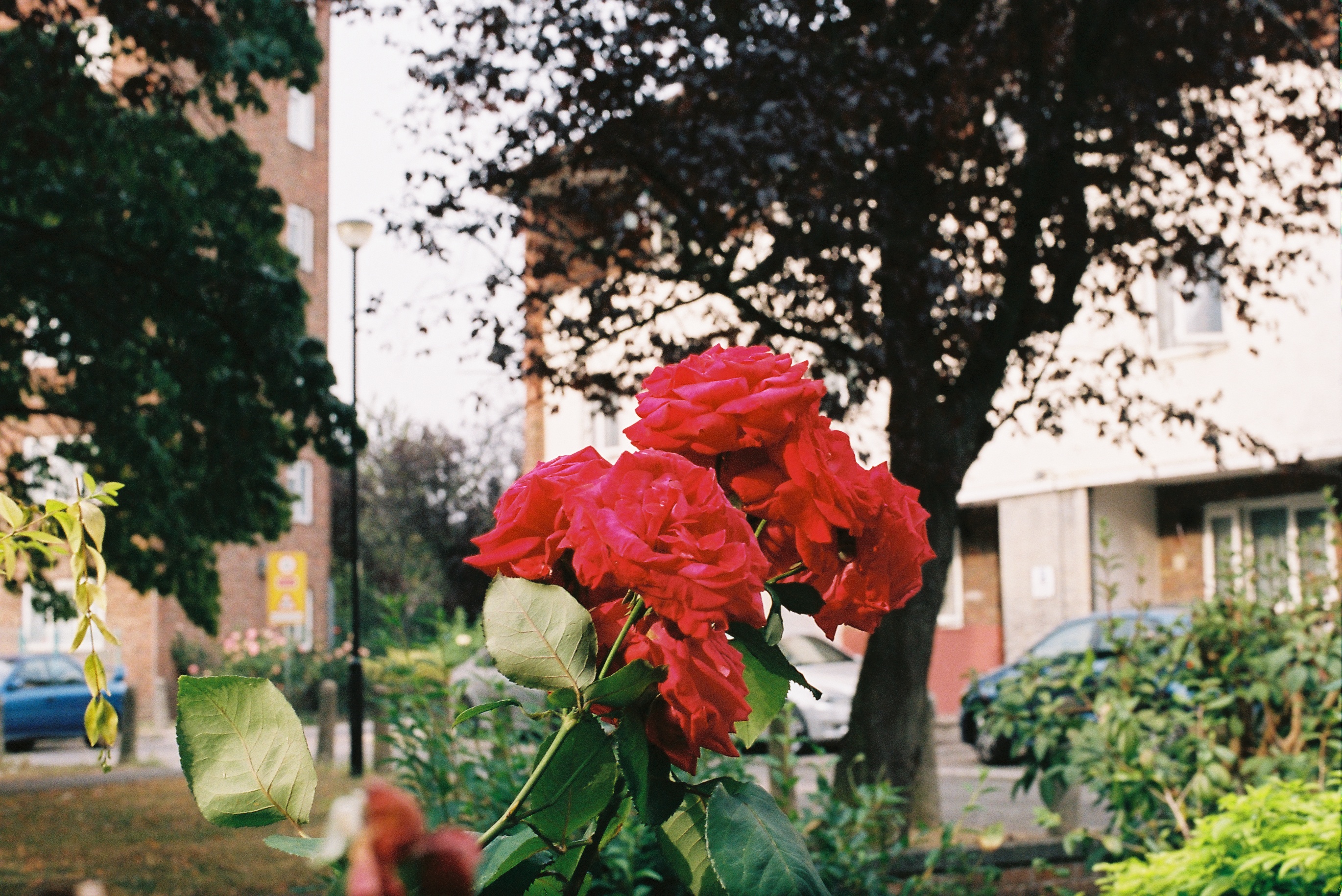
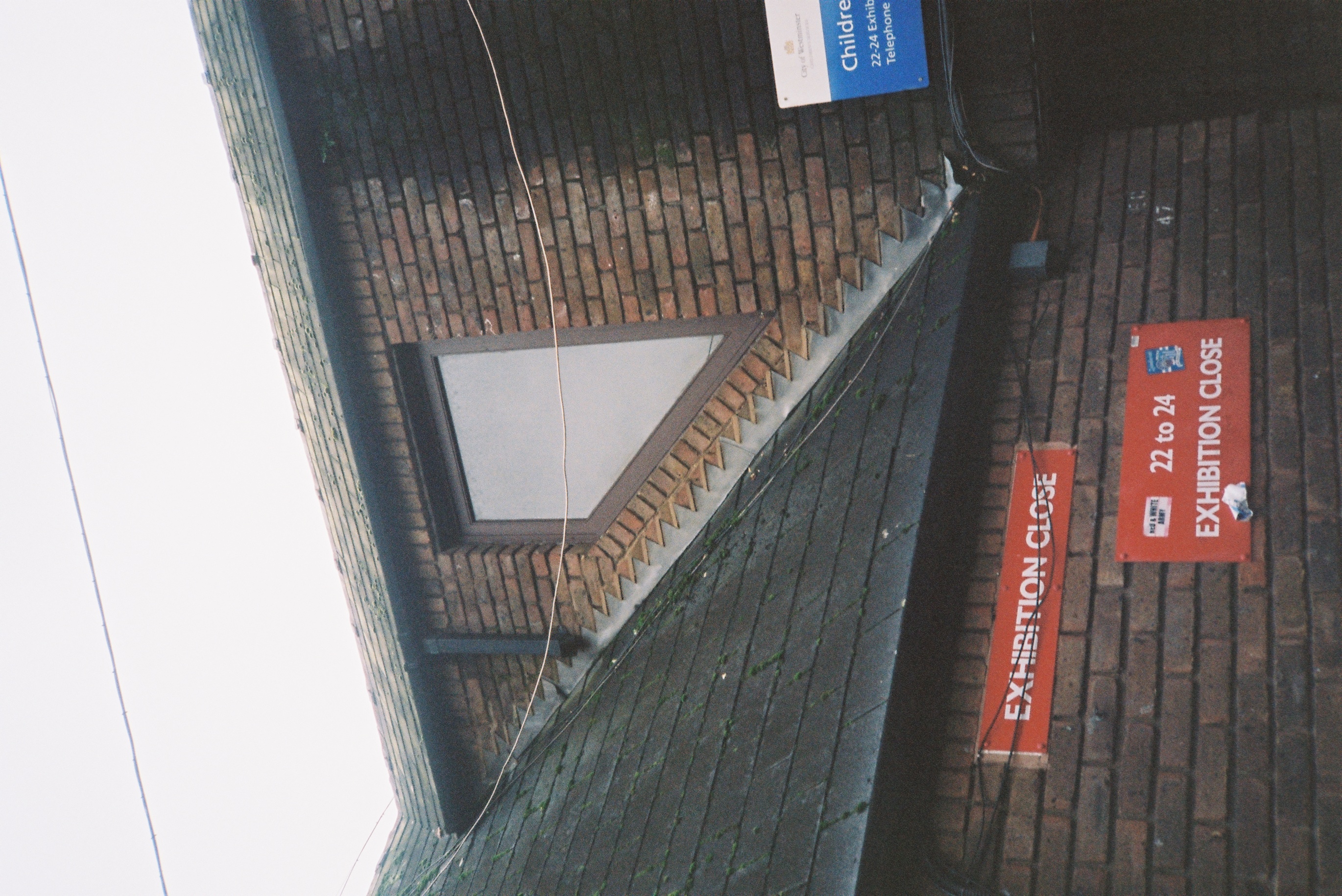
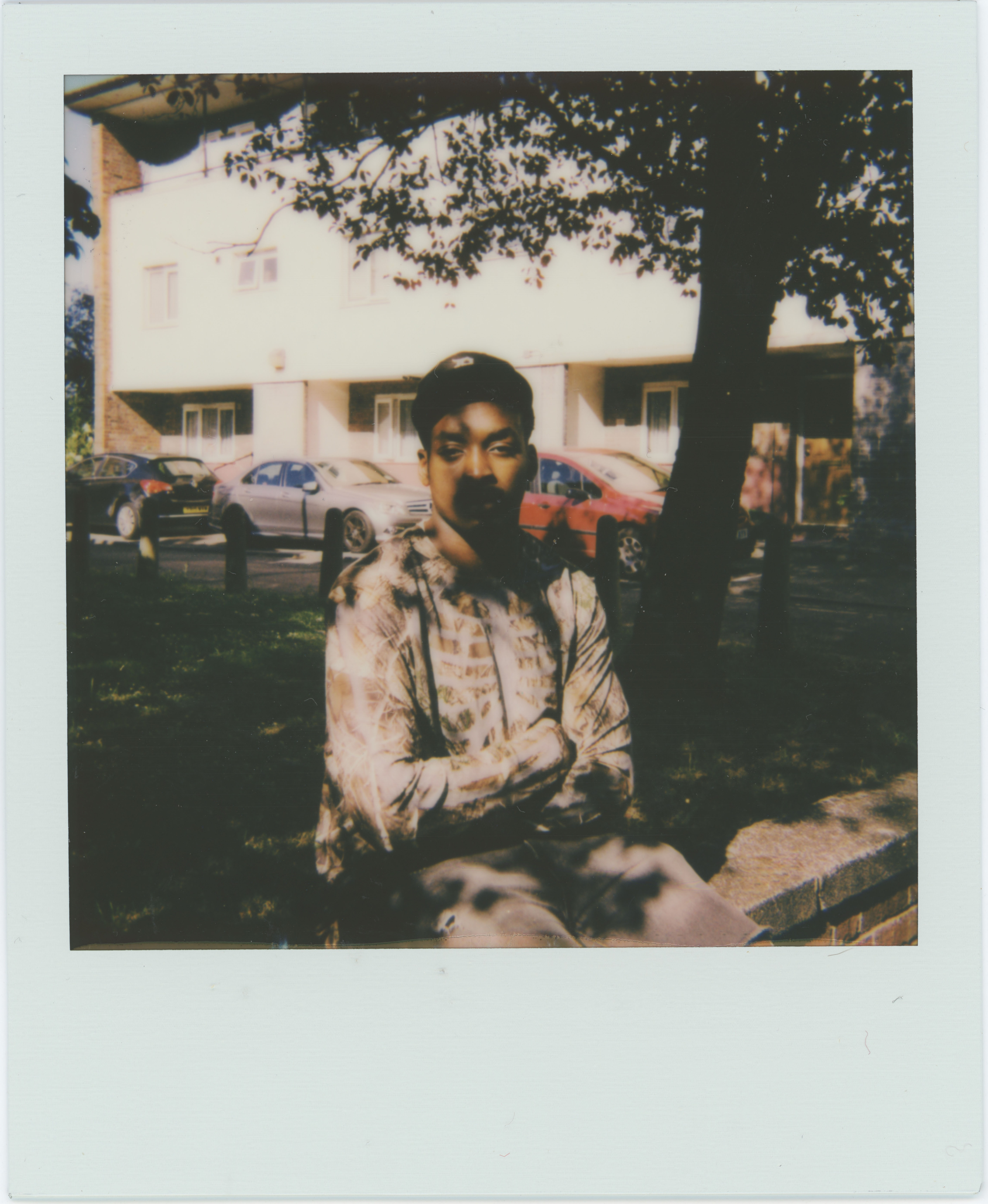
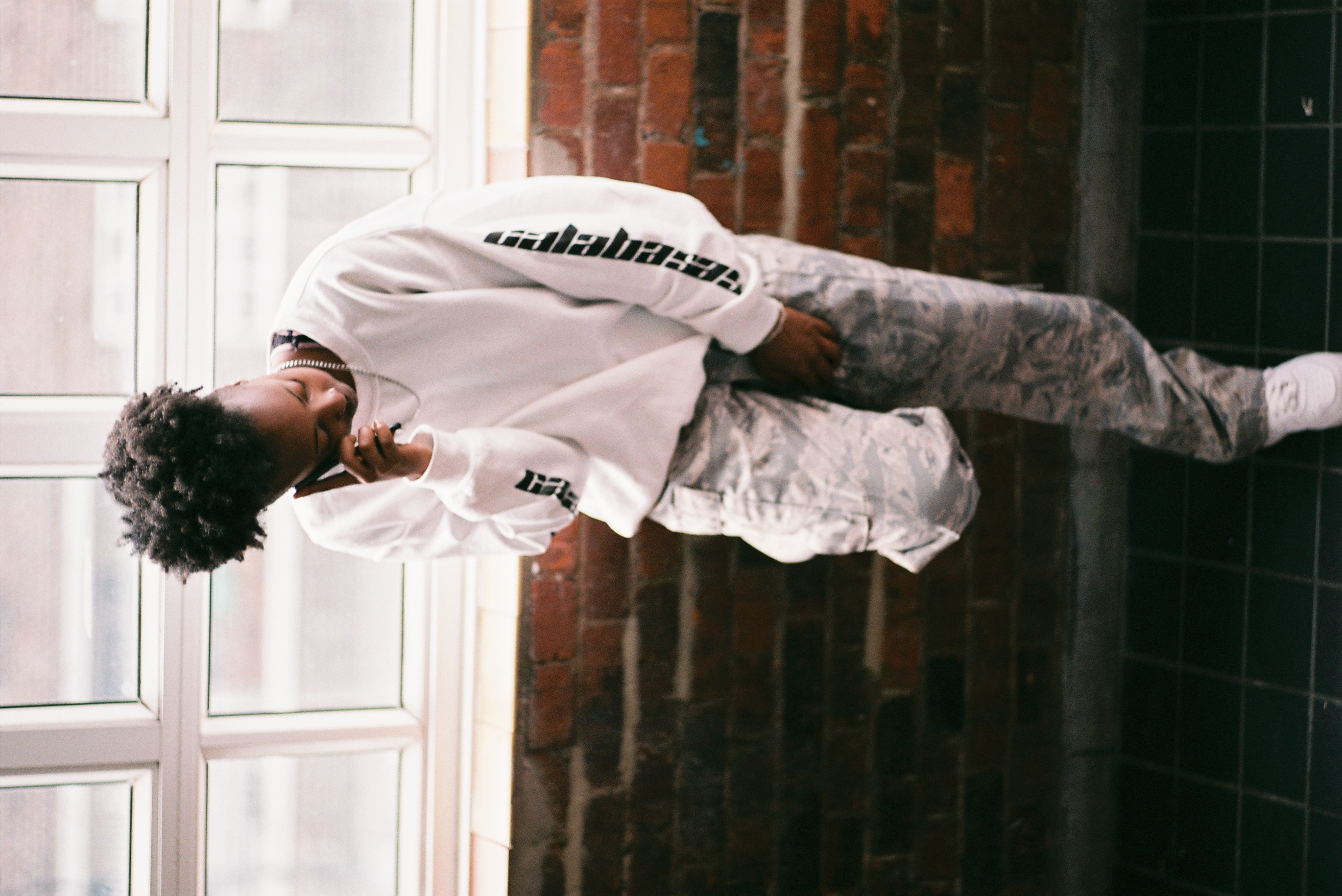
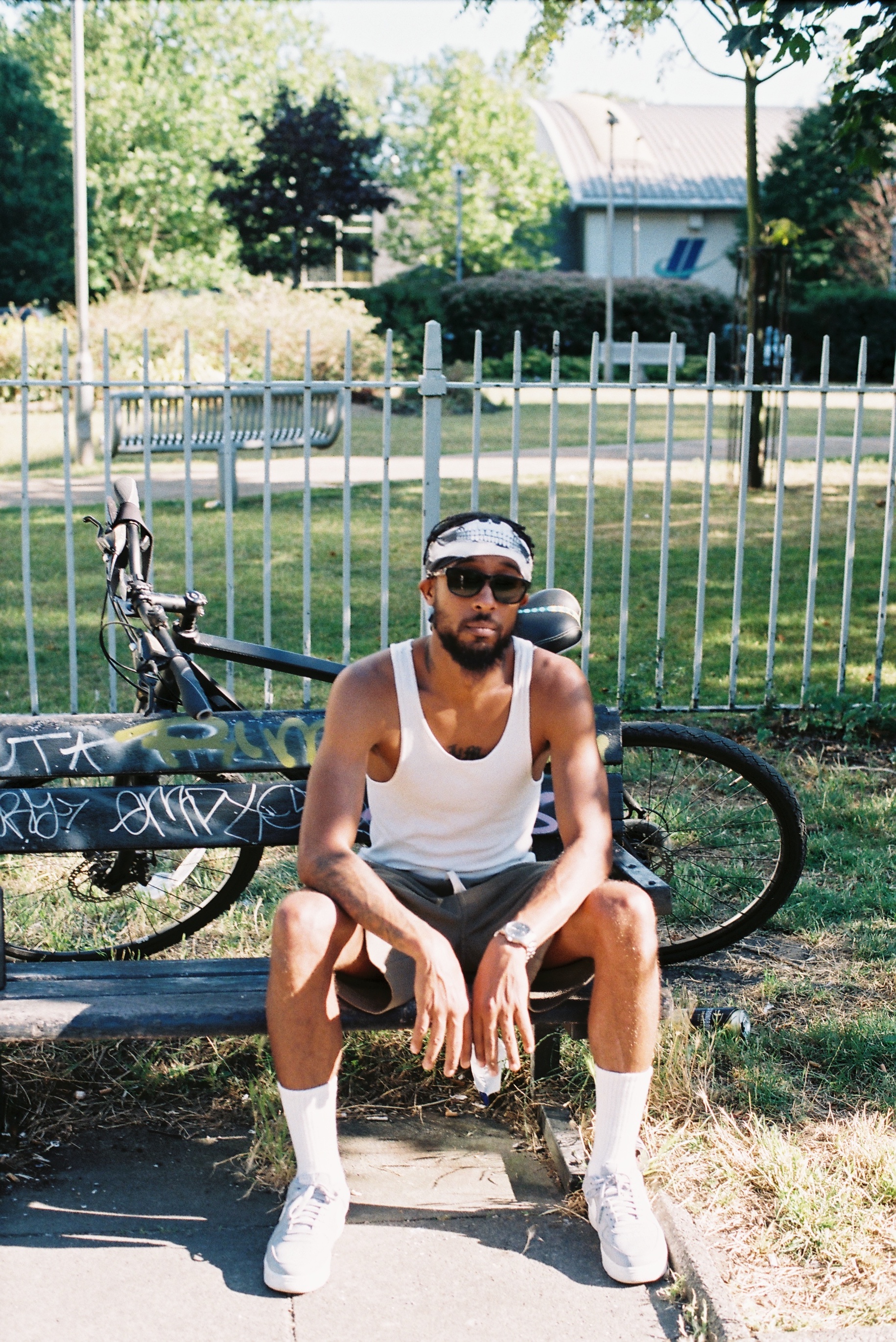
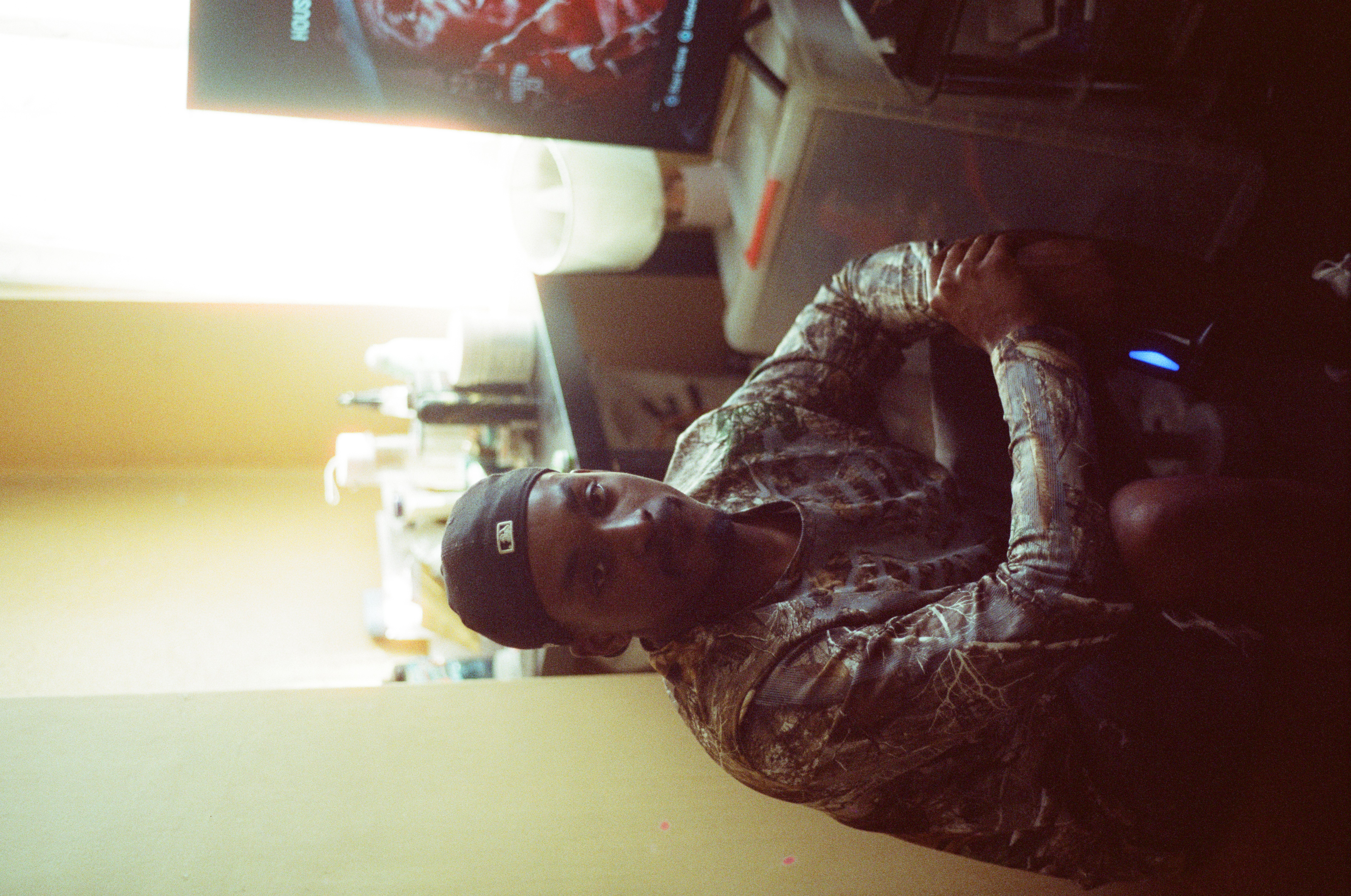
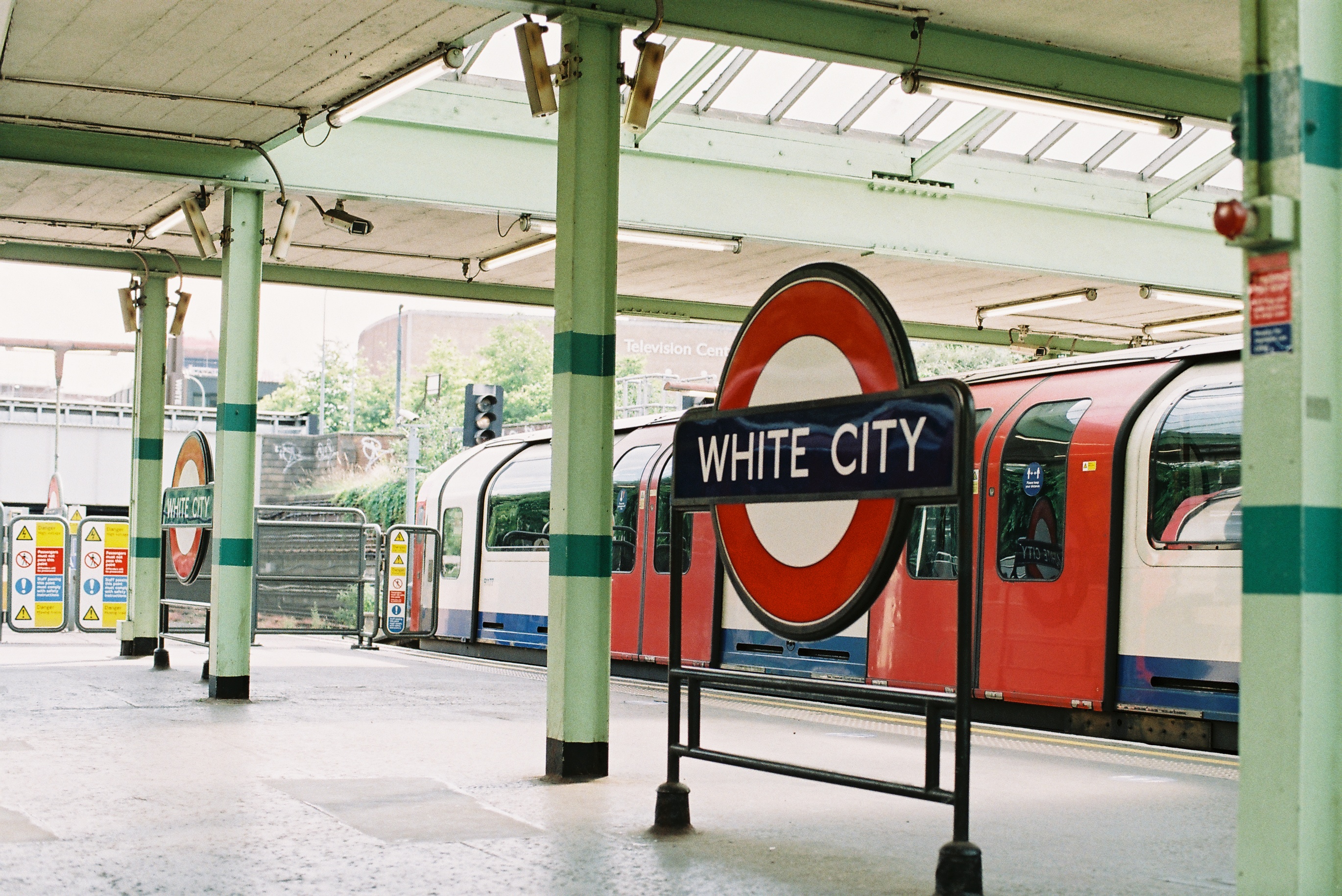
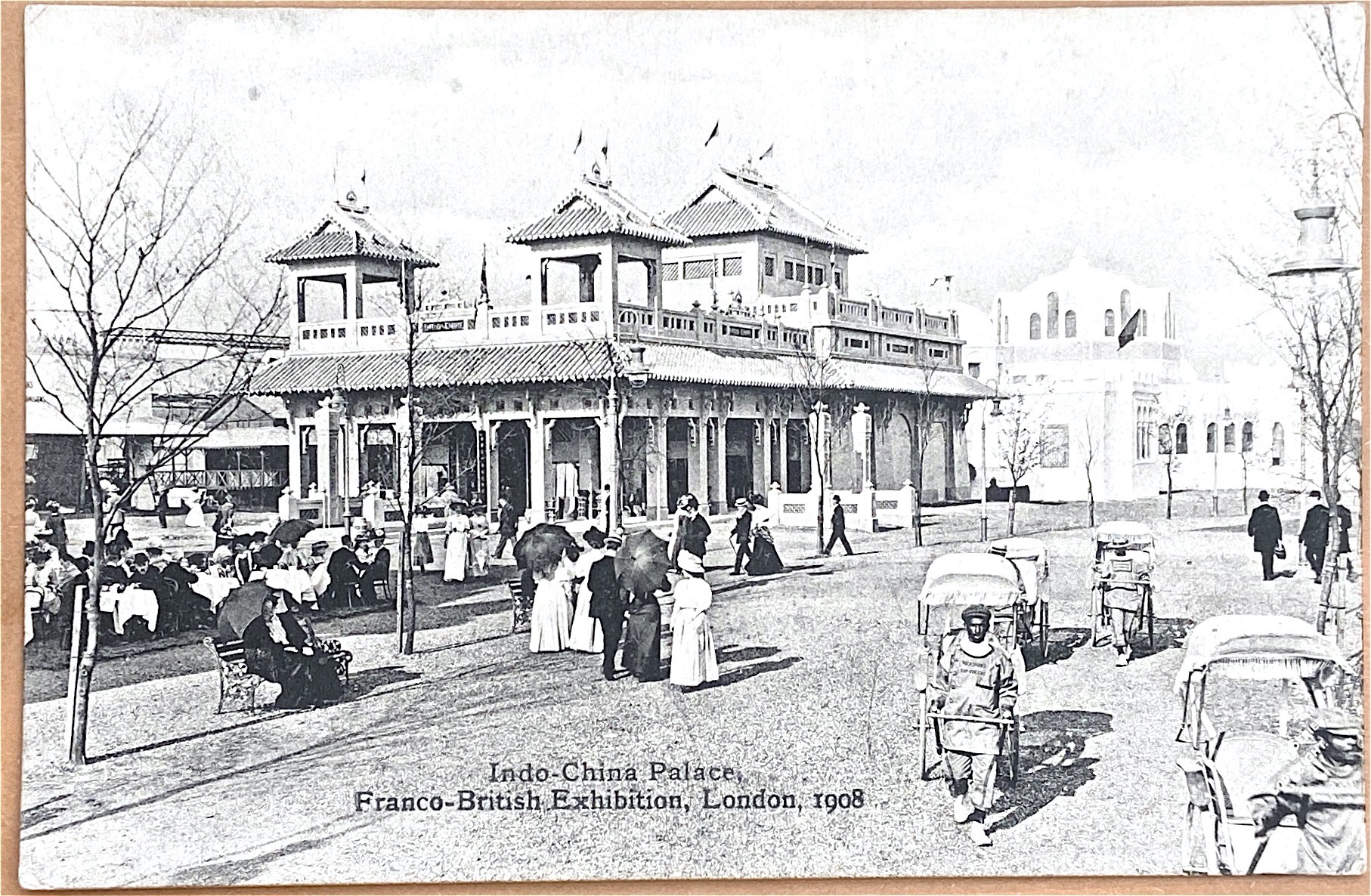
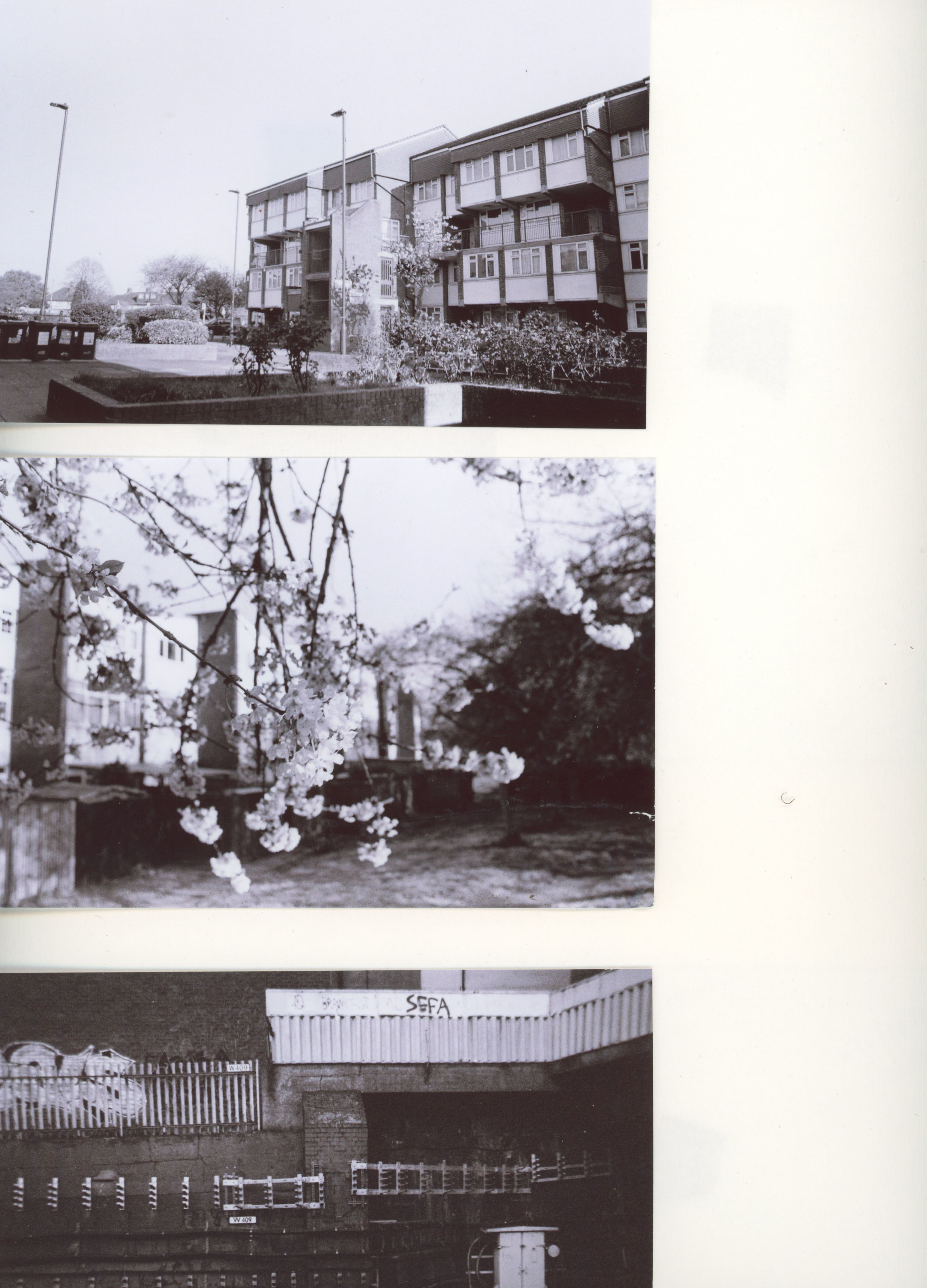
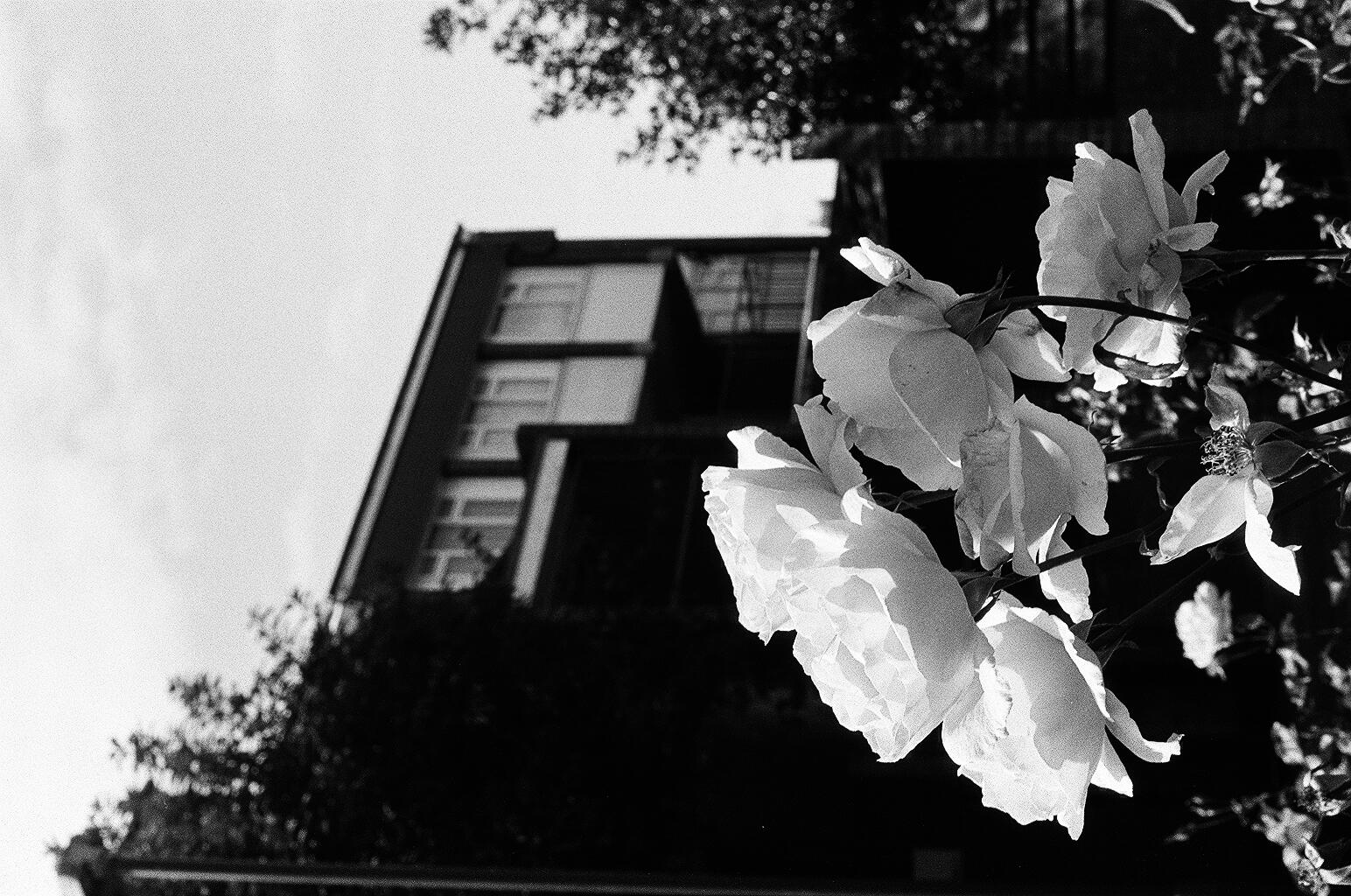
‘Everyday Things’ is a project that visualises the experiences of a kinship collective of young Black adults living in White City, Shepherds Bush, West London. The project combines two main methodologies. The first is an archival focused work, aimed at recovering White City’s former imperial and colonial site, the Great White City Exhibition grounds (1908) as well as the site’s more recent histories as a London County Council developed inter-war estate. The second is a form of collaborative photographic research taken up with the kinship collective as well as their social peers. Depictions of young Black adult’s lives are rarely seen in British academic research. Inspired by the work of ‘everyday’ urban essays created by photographers in post-war America and the examinations of British landscapes by Black British photographers. My practice-related research facilitates site-specific dialogues, focused on contemporary and archival visualisations of White City. This body of work also engenders photographic practices capable of intervening in representations of White City, as well as West London based representations of Black life.
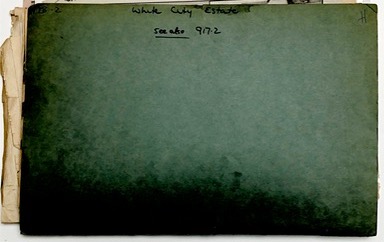
Geography (Practice-Related) PhD, produced in collaboration with a kinship collective of young Black adults living in White City, Shepherds Bush West London.The archival records that appear throughout this montage have been recovered via archival research taken up at the Hammersmith and Fulham Local Studies and Archives centre (HFLSAC).